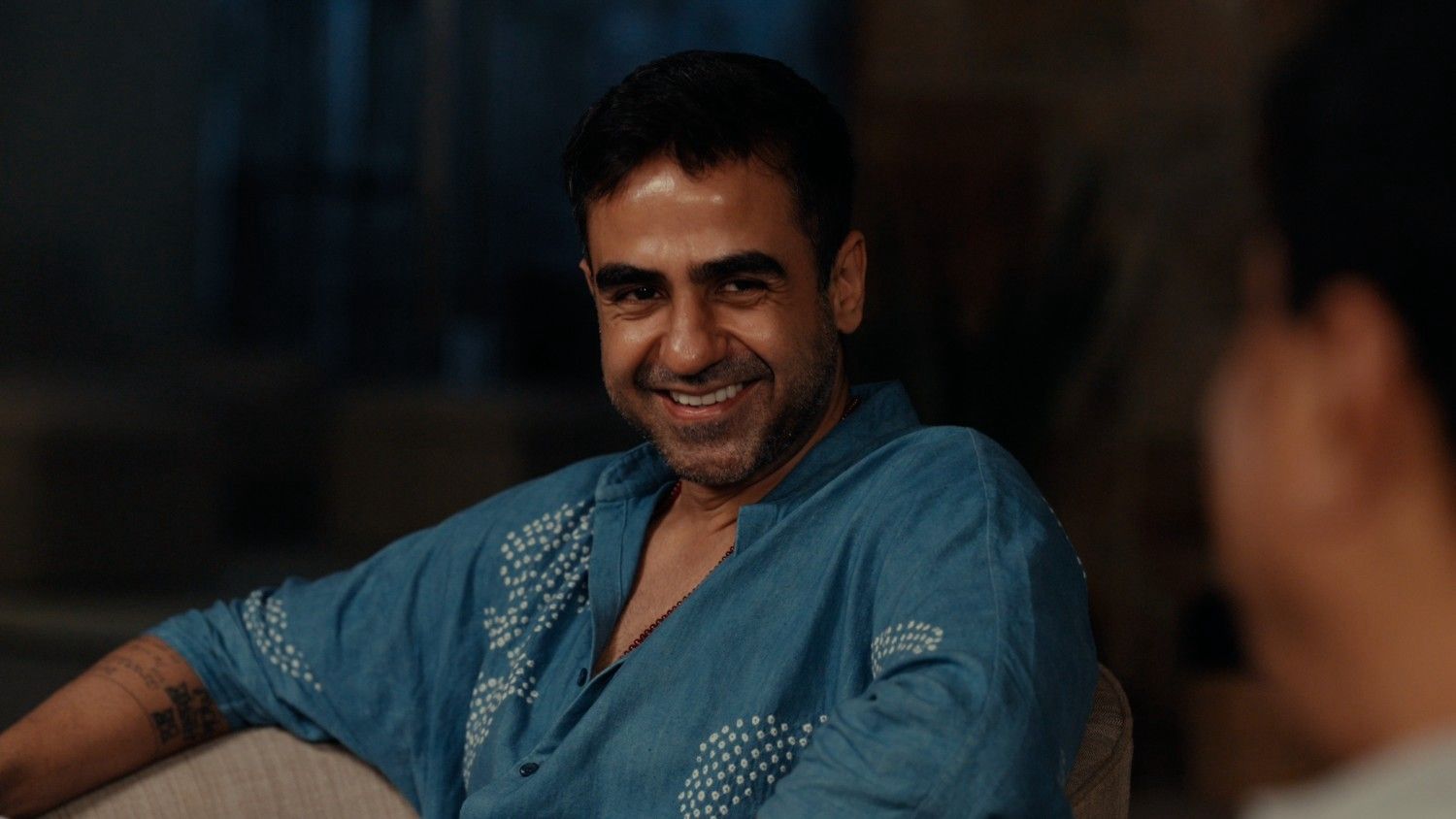
Nikhil Kamath’s latest film for The Foundery challenges the "hustle culture" of the startup world, questioning if constant struggle is necessary for success. The documentary advocates for a shift toward providing entrepreneurs with better infrastructure and collaborative spaces, emphasizing sustainable growth over the rapid, high-burn models of the past.
BENGALURU — Entrepreneur and Zerodha co-founder Nikhil Kamath has launched a provocative new film through his venture, The Foundery, aimed at dissecting the current landscape of Indian startup culture. Released on June 27, 2026, the short-form documentary questions a long-standing Silicon Valley-style narrative: whether the path to innovation must be paved with "struggle" or if founders require a more structured, supported space to build sustainable businesses.
The film serves as a catalyst for a broader national conversation, challenging the "hustle culture" that has dominated the tech ecosystem for the last decade. By interviewing veteran investors and emerging founders, the project examines whether the glamorization of founder burnout is counterproductive to the long-term success of the Indian startup economy.
Redefining the Entrepreneurial Journey
The Foundery’s latest production moves away from the typical success-story tropes, instead focusing on the operational and psychological realities of building a company from the ground up. The central thesis of the film is that the high-stress, "survival-of-the-fittest" mentality often advocated in entrepreneurial circles may actually stifle genuine creativity.
According to The Foundery, the film highlights how capital allocation and mentorship infrastructure have changed significantly since the early 2010s. The project posits that modern entrepreneurs, unlike their predecessors, are working in a hyper-competitive market where "struggle" is often mistaken for strategy. The film suggests that providing founders with a "space to build"—characterized by better access to shared compute, peer networks, and patient capital—could lead to more resilient companies.
Shifting the Startup Narrative
Kamath, through his platform, has consistently argued that the Indian ecosystem is maturing. The film presents evidence from various case studies where companies failed not because of a lack of hustle, but because of a lack of infrastructure and collaborative space. This narrative shift is particularly relevant as India moves toward its goal of housing 100,000 recognized startups by 2030.
The production also touches upon the role of VCs and incubators in this transition. By showcasing environments that prioritize mental health and sustainable operational growth, the film advocates for an ecosystem that views entrepreneurship as a marathon rather than a short-term sprint.
Why It Matters
For investors and founders, this film signals a growing trend toward "sober" entrepreneurship. As market conditions tighten, the ability to build lean, sustainable businesses is becoming more valued than rapid, cash-burning expansion. For the startup community, the film offers a validation of the need for improved institutional support, suggesting that the industry should focus on building "space" rather than just providing capital.
Key Facts at a Glance
Production: A new documentary film released by The Foundery and Nikhil Kamath.
Core Question: Whether modern startups benefit more from institutional space and support than from traditional "hustle."
Industry Context: A response to rising burnout rates within the global and Indian startup ecosystems.
Target Audience: Early-stage founders, venture capitalists, and policy influencers within the tech sector.
FAQ
What is the core message of Nikhil Kamath's new film?
The film argues that the glorification of struggle in entrepreneurship is outdated and that founders now require more collaborative spaces and structural support to build long-term value.
What is The Foundery?
The Foundery is an initiative backed by Nikhil Kamath designed to provide resources, mentorship, and space for early-stage entrepreneurs in India.
Is this film critical of hustle culture?
Yes, it challenges the idea that intense personal struggle is a prerequisite for success, suggesting instead that sustainable business building requires different support frameworks.
Source: The Foundery Official News, Inc42, Mint