In a world obsessed with speed, efficiency, and instant gratification, a quiet rebellion is gaining momentum—the return to slowness. From mindful mornings to tech-free evenings, the slow living movement is making a powerful comeback, urging people to reclaim their time, attention, and in...
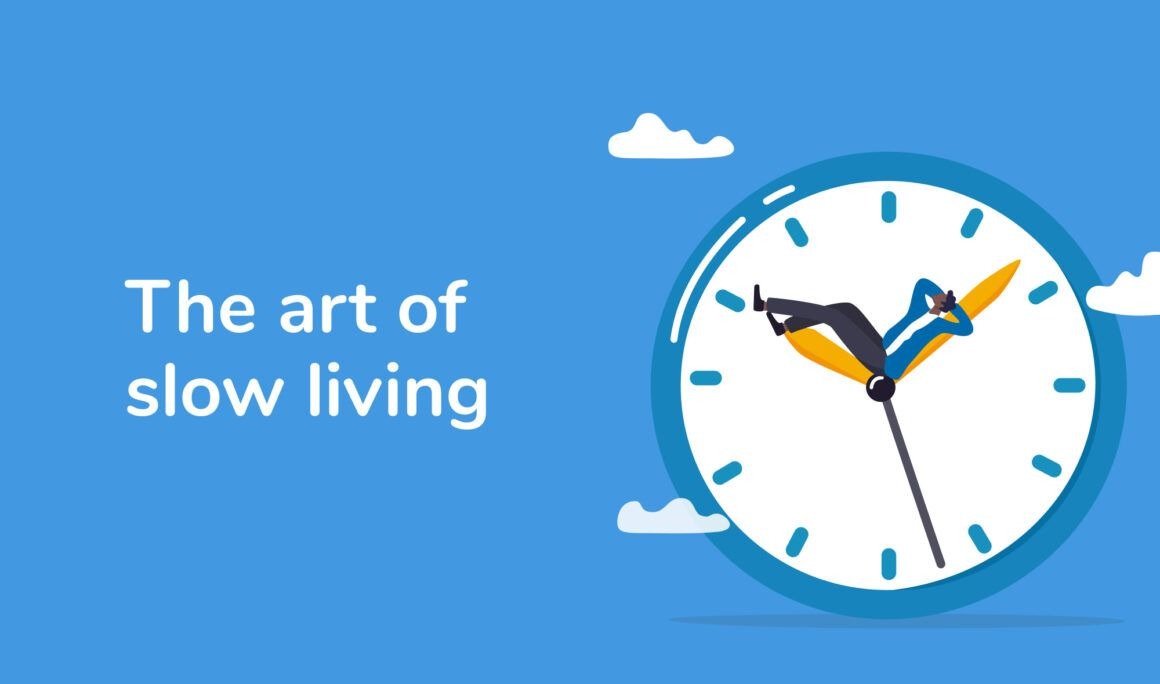
In a world obsessed with speed, efficiency, and instant gratification, a quiet rebellion is gaining momentum—the return to slowness. From mindful mornings to tech-free evenings, the slow living movement is making a powerful comeback, urging people to reclaim their time, attention, and inner calm. What began as a countercultural whisper is now a global lifestyle shift, with individuals and communities embracing the art of living deliberately.
Key Highlights From the Slow Living Revival
- Slow living emphasizes intentionality, presence, and simplicity over hustle and hyper-productivity
- The movement encourages people to savor daily rituals, reduce digital distractions, and reconnect with nature
- It is gaining traction among millennials and Gen Z, who are increasingly disillusioned with burnout culture
- Practices include slow food, mindful consumption, analog hobbies, and minimalist design
- The philosophy is being integrated into wellness retreats, urban planning, and even corporate culture
What Slow Living Really Means
Slow living is not about doing everything at a snail’s pace—it’s about doing things with purpose and awareness. It invites people to pause, reflect, and engage fully with the present moment.
- Core principles include deceleration, mindfulness, sustainability, and conscious enjoyment
- It challenges the notion that busyness equals success, advocating instead for depth over speed
- The movement draws inspiration from ancient philosophies, including Stoicism, Zen Buddhism, and Indian yogic traditions
How It’s Being Practiced Today
- Morning routines now include journaling, breathwork, and screen-free time to set a grounded tone for the day
- Meals are prepared and eaten slowly, often with locally sourced ingredients and shared with loved ones
- People are embracing analog activities like gardening, knitting, letter writing, and reading physical books
- Urban dwellers are creating slow corners in their homes—spaces for stillness, reflection, and digital detox
The Role of Design and Environment
- Biophilic design, natural materials, and decluttered spaces are central to slow living aesthetics
- Cities like Copenhagen and Kyoto are being celebrated for their walkability, green spaces, and cultural pace
- Architects and planners are rethinking public spaces to encourage lingering, conversation, and community
Psychological and Social Benefits
- Studies show that slow living reduces stress, improves focus, and enhances emotional well-being
- It fosters deeper relationships by prioritizing quality time and active listening
- The practice helps individuals align their daily actions with long-term values and goals
Critiques and Misconceptions
- Some critics argue that slow living is a privilege not accessible to all, especially those in high-pressure jobs or economic hardship
- Others caution against romanticizing slowness without addressing systemic issues like overwork and inequality
- Advocates respond by emphasizing that slowness is a mindset, not a luxury, and can be practiced in small, meaningful ways
Why This Matters Now
As burnout, digital fatigue, and climate anxiety rise, the art of slowness offers a counterbalance. It reminds us that life is not a race to be won but a journey to be experienced. In choosing to slow down, people are not falling behind—they are finding their way back to what matters most.
Sources: STUWO, The Gentleman Refined, Penelope Oasis, Psychology Today, Indian Express, Metro UK, Scientific Origin