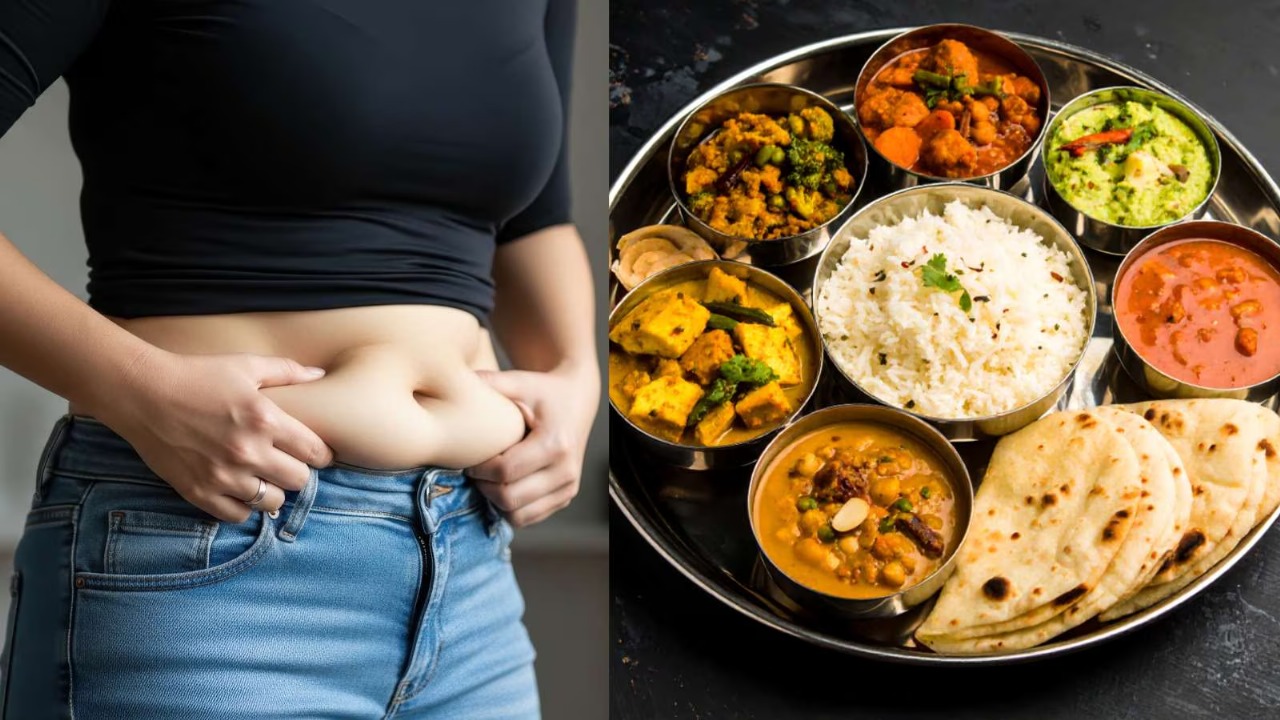
A recent comprehensive survey by the Indian Council of Medical Research reveals that Indian diets derive a staggering 62% of daily calories from carbohydrates—primarily from low-quality sources like white rice, milled grains, and added sugars—significantly elevating risks for diabetes, obesity, and metabolic disorders.
A Closer Look at India's Carb-Heavy Diet and Its Health Implications
India’s dietary pattern, characterized by a high reliance on carbohydrates, especially refined and low-nutrient ones, poses critical metabolic health challenges. The extensive ICMR-INDIAB study covering over 120,000 adults from 36 states and union territories highlights stark regional and nutritional imbalances fueling a surge in lifestyle diseases.
Key points and notable insights:
62% caloric intake from carbohydrates: India’s average carbohydrate intake far exceeds ideal dietary recommendations, often attributed to staples like white rice (dominant in South, East, Northeast) and wheat (Northern, Central regions).
Low protein consumption: Proteins constitute merely about 12% of daily calories, markedly lower than recommended, compromising satiety and muscle health.
High added sugar intake: 19 states surpass safe sugar consumption limits, exacerbating risks of insulin resistance and cardiovascular ailments.
Refined grains’ dominance: Predominantly refined cereals and milled flours (with high glycemic indices) promote rapid blood sugar spikes, driving prediabetes and diabetes prevalence.
Nutrient-rich millets underutilized: Despite their benefits, millets remain staples in only a few states (Karnataka, Gujarat, Maharashtra), indicating missed opportunities for healthier substitutions.
Metabolic risk link: Elevated carb consumption correlates with a 15-30% increased risk of type 2 diabetes, obesity, and abdominal fat accumulation.
Marginal carb reduction benefits: Experts recommend modestly reducing carbohydrate calories by 5% and replacing them with plant or dairy protein to significantly lower metabolic risks.
Dietary guidelines emphasis: The National Institute of Nutrition advocates balanced meals prioritizing diverse nutrients, limiting refined carbs, and increasing protein and fiber intake.
Major takeaways:
Indian diets require urgent recalibration to mitigate rising lifestyle diseases.
Simple dietary swaps—like incorporating lentils, legumes, nuts, dairy and replacing some refined grains with whole grains or millets—can yield meaningful health benefits.
Public health policies and nutrition education must focus on these sustainable food system changes.
Balancing India’s beloved culinary traditions with scientifically-informed dietary adaptations is key to curbing the escalating health crisis and fostering a healthier future.
Sources: Indian Council of Medical Research (ICMR-INDIAB study), Nature Medicine, Economic Times, India Today, National Institute of Nutrition (NIN), Times of India