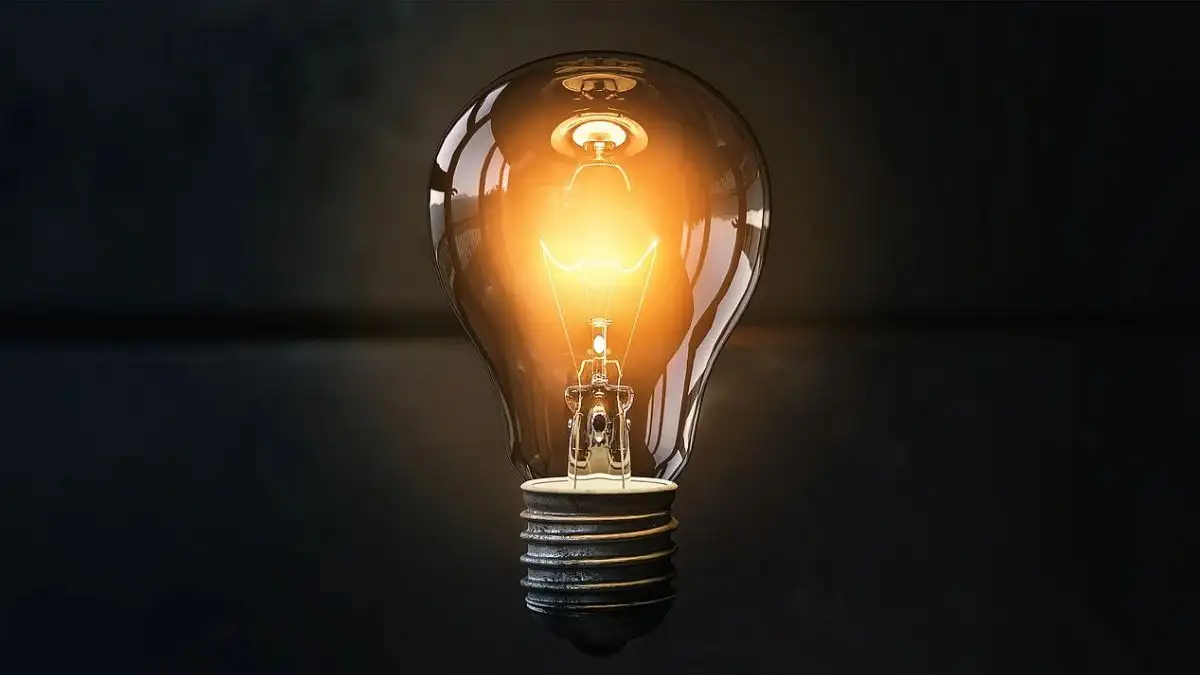
The household concept of a "zero-watt" bulb is a technical myth caused by older electromechanical meters failing to register low electrical loads. In reality, traditional filament night lamps consume 10W to 15W. Transitioning to modern digital smart meters and low-power LED alternatives ensures precise billing and optimized domestic energy efficiency.
The Truth Behind the Common Household Zero-Watt Bulb
Modern digital electricity meters expose the hidden energy consumption of traditional night lamps.
NEW DELHI, India - The long-standing household belief that "zero-watt" bulbs consume no electricity is a technical myth originating from legacy metering limitations rather than actual physics. Regulatory briefs published by national energy compliance bodies confirm that these low-intensity night lamps, traditionally used in bedrooms, prayer corners, and hallways across millions of homes, consume measurable electrical energy.
While the "zero-watt" moniker remains deeply embedded in consumer terminology, electrical engineering data proves that no operational light source can function with zero power consumption. This discrepancy has taken on new financial relevance for everyday consumers today as power distribution companies transition from older electromechanical meters to highly sensitive digital smart meters, which accurately record even the smallest electrical currents.
The Historical Origin of the Zero-Watt Myth
The term "zero-watt bulb" is an unintended consequence of historical infrastructure rather than a deliberate marketing deception. For decades, residential households relied on electromechanical electricity meters equipped with a physical, rotating aluminum disc. These older devices depended on electromagnetic induction to physically rotate the internal dial gears and register power usage.
Because of physical friction and the mechanical inertia required to spin the metallic disc, these traditional meters possessed a specific "starting current" threshold. When a single incandescent night lamp—which typically operates between 10 to 15 watts—was the only active appliance in a house, it failed to generate enough torque to overcome the internal mechanical friction of the meter. Consequently, the metal dial remained stationary, creating the illusion that the lamp was drawing zero power.
Technical Discrepancies and the Shift to LEDs
As lighting technology evolved, the physical realities of night lamps transformed, though the traditional nickname persisted. Consumers now regularly purchase two distinct categories of low-intensity lamps, both colloquially sold under the same "zero-watt" label:
Traditional Incandescent Bulbs: These older models utilize a heated tungsten filament inside a glass vacuum enclosure. Despite the low-power label, technical diagnostics show they draw between 10W and 15W of power, dissipating most of that energy as heat.
Modern Light-Emitting Diodes (LEDs): Modern solid-state night lamps use semiconductor components to emit light via electroluminescence. These newer alternatives are vastly more efficient, operating predictably between 0.5W and 1.5W.
Official Sources Section
According to technical circulars issued by the Bureau of Energy Efficiency (BEE) under the Ministry of Power, all appliances entering commercial markets must display authentic electrical ratings. Consumer electronics data provided by leading electrical manufacturers confirms that no commercially available lighting product possesses an actual power rating of zero. Regulatory filings indicate that modern solid-state meters utilize high-precision integrated circuits capable of registering currents as low as a fraction of a milliampere, ensuring that every watt of night lamp consumption is itemized on monthly billing statements.
Quote Section
"According to officials from state power distribution corporations, older electromagnetic meters lacked the mechanical sensitivity required to register low-wattage loads. Modern digital smart meters possess a wide dynamic range, meaning that leaving several low-wattage night lamps running continuously will directly reflect on a household's monthly electricity bill."
Why It Matters
Understanding the true energy metrics of household lighting has immediate practical implications for household budgeting and national energy conservation efforts. While a single 1W LED night lamp adds negligible costs, running multiple legacy 15W incandescent "0-watt" bulbs continuously for 12 hours a day across a household compounds over a billing cycle. Swapping out old filament night lamps for accurately labeled, low-wattage LEDs allows consumers to eliminate silent power inflation and actively reduce localized grid strain.
Key Facts at a Glance
The Myth Explained: No operational light bulb consumes zero watts; the name stems from legacy mechanical meters failing to record low power draws.
Actual Consumption: Old-style filament "zero-watt" lamps actually consume between 10W and 15W of power.
The Modern Alternative: True energy-efficient LED night lights utilize semiconductor technology to drop actual power consumption down to 0.5W to 1.5W.
Meter Sensitivity: Modern digital smart meters completely eliminate mechanical friction, registering the smallest micro-currents from modern night lights.
FAQ Section
Q: If a zero-watt bulb doesn't actually use zero watts, why do retailers still sell them under that name? A: The name has become a deeply rooted cultural idiom in several regional markets, representing a low-intensity "night lamp" rather than a precise scientific measurement.
Q: Will keeping an old incandescent night lamp on all night affect my electricity bill? A: Yes. If you are using an older 15W filament bulb on a modern digital meter, running it for 12 hours a day consumes approximately 5.4 kilowatt-hours (units) of electricity per month, which is directly tracked and billed.
Q: How can I ensure I am purchasing the most energy-efficient night light? A: Avoid buying unbranded bulbs simply labeled "0-Watt." Instead, check the packaging for verified technical specifications, prioritizing LED models that explicitly declare a low power draw, such as 0.5W or 1W.
Source: Bureau of Energy Efficiency (BEE), India, Central Electricity Authority (CEA)