Top Searches
- • Heat Rising, Hope Missing: Vulnerable Indians Struggle As Cities Fail To Plan 43 minutes ago
- • Seeds Of Peace: Taiwan’s Opposition Leader Cheng Visits China To Meet Xi 45 minutes ago
- • Digital Highways Ahead: No Cash At Toll Plazas From April 10 47 minutes ago
- • Ayushmann Khurrana Joins Finish To Show India The Right Way To Dishwash 50 minutes ago
- • IndiGo Aircraft Grounded After SUV Collision At Kolkata Airport 48 minutes ago
- • Aviation Stocks Take Flight: IndiGo And SpiceJet Lead Market Surge 52 minutes ago
- • Hospitality Expansion: Hilton And Royal Orchid Partner For 125 Hotels 4 hours ago
- • New Dawn In Punjab Politics: Navjot Kaur Sidhu Launches Bharatiya Rashtrawadi Party 4 hours ago
Transforming Spaces Into Sources of Health: The Power of Nutri and Terrace Gardening for Chemical-Free Food
In recent years, Nutri gardening and terrace gardening have emerged as leading practices to grow chemical-free fruits and vegetables right at home. These innovative and sustainable methods not only offer health assurance but also foster environmental benefits and food security. This newsletter explores the multiple advantages of Nutri and terrace gardening, key insights, and practical tips to embrace these green lifestyles in 2025.
The Rising Popularity Of Nutri And Terrace Gardening
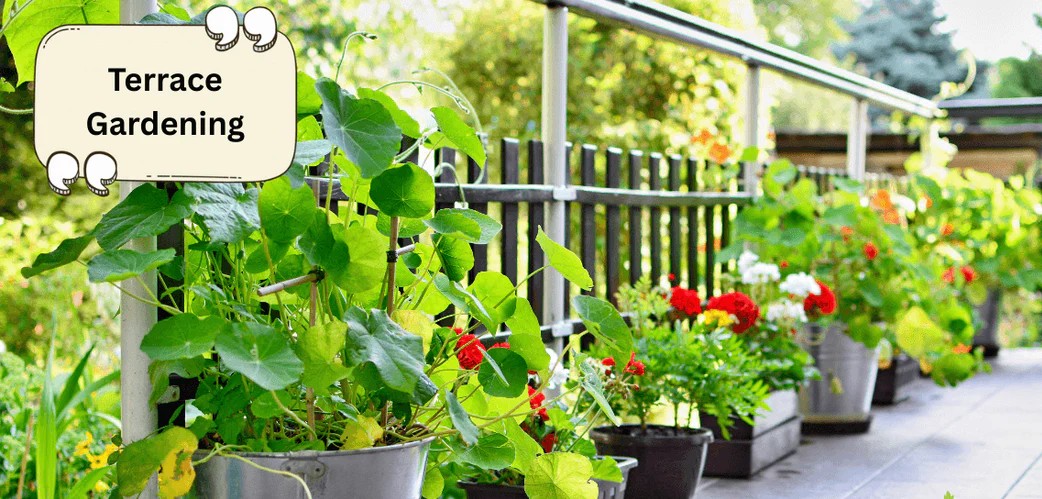
Nutri gardening focuses on cultivating a nutrient-rich “kitchen garden” that supplies essential vitamins and minerals while avoiding pesticides and harmful chemicals. Terrace gardening employs urban rooftops or balconies, transforming unused spaces into lush green zones filled with vegetables, herbs, and fruits. Both methods empower individuals and communities to access fresh, organic produce while contributing to pollution reduction.
Key Highlights Of Chemical-Free Gardening
Nutri gardens enhance immunity and overall health by providing fresh, micronutrient-dense food.
Terrace gardening efficiently uses limited urban spaces, enabling city dwellers to grow their own food sustainably.
These gardens reduce reliance on grocery store produce often laden with synthetic fertilizers and pesticides.
The gardening process itself supports mental well-being, offering stress relief and meaningful engagement with nature.
Biodegradable waste is recycled naturally through composting and vermiculture practices, enhancing soil fertility.
Implementing these gardens can lower monthly grocery bills significantly, making it an economically sound approach.
Urban terrace gardens improve air quality and lower surrounding temperatures by absorbing heat and pollutants.
How Nutri Gardens Drive Nutritional Security
Nutri gardens prioritize planting vegetables, fruits, and medicinal plants rich in essential nutrients. The model, inspired partly by India’s Poshan Vatika initiative, has proven highly effective in low-income rural and urban households to combat malnutrition. Scientific planning ensures year-round availability of fresh produce and creates low-cost, sustainable food sources accessible to all family members.
Benefits echo beyond individual health, contributing to:
Food security by diversifying family diets with organic options.
Female empowerment as women gain control over nutrition and household economy.
Environmental protection by minimizing chemical inputs and reducing plastic packaging waste.
Terrace Gardening: Turning Urban Roofs Into Healthy Oases
With rapid urbanization, terrace gardening offers residents in apartments and houses an incredible opportunity to reconnect with nature while growing their own food. From tomatoes and chillies to leafy greens and herbs, terrace gardens thrive with moderate care and proper sunlight.
Advantages of terrace gardening include:
Space optimization in crowded city environments.
Availability of pesticide-free fruits and vegetables.
Reduced carbon footprint due to localized growing, minimizing transport.
Enhanced biodiversity attracting bees, butterflies, and birds.
Cooler building temperatures, helping to lower energy bills.
Aesthetic upliftment and creating peaceful, green recreational spaces.
Getting Started: Tips For Successful Nutri And Terrace Gardens
Start with good quality organic soil, enriched with compost or vermicompost.
Choose native or drought-resistant plant varieties suited to your local climate.
Promote companion planting and natural pest deterrents instead of chemical insecticides.
Regularly water plants early in the day and monitor for signs of nutrient deficiency.
Use raised beds, containers, or grow bags for easy soil and plant management on terraces.
Practice crop rotation and seasonal planting to maintain soil health and productivity.
The Broader Impact: Sustaining Health And Environment
Growing chemical-free food through Nutri and terrace gardening aligns deeply with growing global concerns around health, environment, and sustainable living. Consuming pesticide-free produce promotes digestive health, reduces allergy risks, and strengthens immunity. At the same time, these green practices contribute to lowering environmental pollution, conserving water, and restoring soil biodiversity.
In 2025, these gardening methods offer a holistic approach to nutrition, well-being, and ecological balance, empowering individuals to take charge of their food sources. As urban gardens grow across cities and rural areas alike, the movement towards fresh, healthy, and chemical-free food gains unstoppable momentum.
Sources: GrowBillionTrees, International Journal of Community Medicine and Public Health, FirstTunnels Blog, OrganicBazar, Uncle Jim’s Worm Farm, Times of India, UAS Bangalore, Farmonaut, Urban Plant, India TV News
Stay Ahead – Explore Now! Unlocking Hidden Riches: India’s Underground Coal Mining Gets Fast-Track Boost