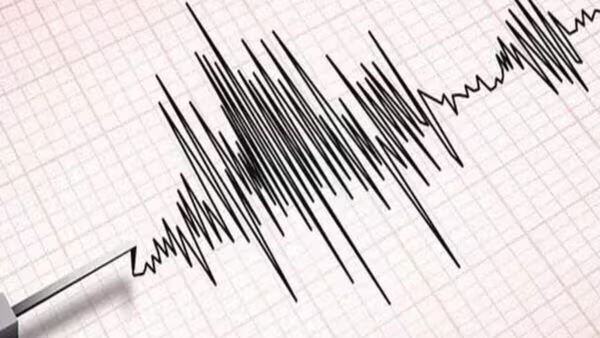
A 7.3-magnitude earthquake struck off the southern coast of Mexico on July 17, 2026, causing strong tremors in Chiapas, Oaxaca, Guatemala, and El Salvador. A tsunami alert was issued for Pacific coastlines, but authorities report no serious damage or casualties. Over 30 aftershocks have followed the initial powerful tremor.
A powerful 7.3-magnitude earthquake struck off the southern coast of Mexico on Friday, July 17, 2026, triggering tsunami warnings and rattling buildings across parts of Central America.
TUXTLA GUTIÉRREZ — A significant seismic event shook southern Mexico and neighboring Central American nations on Friday, prompting authorities to issue a tsunami threat alert for coastal areas. The U.S. Geological Survey (USGS) reported that the earthquake, which struck at a depth of approximately 15.2 kilometers, was centered about 48 kilometers southwest of Aquiles Serdán in the state of Chiapas.
Seismic Impact Across Borders
The intense tremors were felt across a broad region, with residents in the Mexican states of Chiapas and Oaxaca reporting prolonged and strong shaking. The impact extended beyond national borders, as individuals in Guatemala and El Salvador also experienced significant tremors that prompted emergency evacuations of office buildings and residential complexes.
In Tuxtla Gutiérrez, the capital of Chiapas, witnesses described scenes of panic as occupants of tall buildings fled to the streets via emergency stairwells. Despite the intensity of the shaking, officials have provided a cautious sense of relief. As of Saturday morning, July 18, there have been no confirmed reports of casualties or widespread structural damage.
Tsunami Threat Assessment
Following the quake, the U.S. National Oceanic and Atmospheric Administration (NOAA) and the U.S. Tsunami Warning Center issued a tsunami threat alert for the Pacific coasts of Mexico and Central America. The warning specifically identified coastlines within 300 kilometers of the epicenter as being at risk for hazardous waves.
"There is no problem, no serious maritime impact," Mexico's Navy Secretary Raymundo Morales stated during a presidential press conference on Friday. While officials have reassured the public that water levels were not expected to rise more than half a meter, local residents in coastal communities were advised to remain vigilant and avoid beach areas as a precautionary measure until the threat is officially downgraded.
Why It Matters
This event highlights the persistent seismic vulnerability of the region, which sits at the junction of five tectonic plates: the Cocos, North American, Pacific, Rivera, and Caribbean plates. For citizens and businesses in the area, the earthquake serves as a stark reminder of the importance of disaster preparedness and real-time monitoring systems in high-risk zones.
Key Facts at a Glance
Magnitude: 7.3 (USGS-confirmed).
Epicenter: 48 km southwest of Aquiles Serdán, Chiapas, Mexico.
Tsunami Warning: Issued for Pacific coasts within 300 km of the epicenter.
Casualties: No immediate casualties or major damages reported by authorities.
Aftershocks: Over 30 aftershocks, some reaching magnitudes of 5 to 6, have been recorded.
Frequently Asked Questions
Q: Is the tsunami alert still active?
A: Authorities have been monitoring the coastline. While the threat was initially issued, officials like Navy Secretary Raymundo Morales have indicated that serious maritime impacts are not expected, though residents are urged to follow local government guidance.
Q: Did the earthquake cause significant damage in Mexico City?
A: Preventive evacuations occurred in Mexico City, but the tremors were most intense in the southern state of Chiapas and neighboring Central American regions.
Q: How often do earthquakes occur in this region?
A: Mexico is one of the most seismically active regions globally, experiencing tens of thousands of earthquakes annually, though most are too weak to be felt.
Source: US Geological Survey (USGS), National Oceanic and Atmospheric Administration (NOAA), Government of Mexico (Secretariat of the Marines)