




Loading market data...
ADVERTISEMENT

Latest Top News
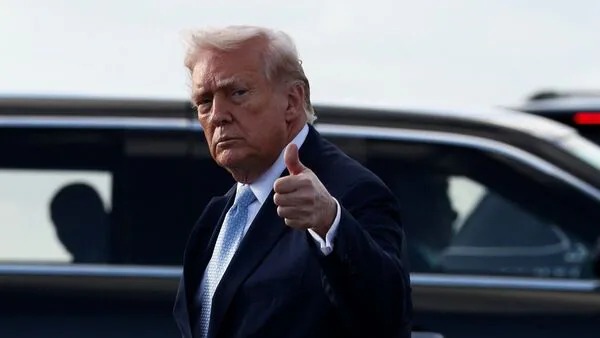
Trump Issues 48-Hour Ultimatum To Iran Over Strait Of Hormuz Closure
US President Donald Trump has given Iran 48 hours to reopen the Strait of Hormuz, warning of strikes on Iranian energy sites if the blockade continues. The ultimatum escalates tensions in the Middle East, raising fears of global oil supply disruption and wider conflict.
Stay Ahead – Explore Now! Bordering on Success: Amit Shah Unveils 'Vinimay' Land Port System
ADVERTISEMENT

Latest Updates

Nifty 50 and Bank Futures Edge Up in Pre-Open Trad...
16 Jun 2026, 09:16 AM
Sarpreet Singh Makes History For New Zealand At FI...
16 Jun 2026, 09:00 AM
Mini Diamonds India Bags ₹162.5 Million Natural Di...
16 Jun 2026, 09:12 AM
Affle MEA Enters Agreement to Acquire AdColony Ass...
16 Jun 2026, 09:08 AM
Stocks to Watch Today: Bharti Airtel, HCL Tech, Ad...
16 Jun 2026, 08:56 AMADVERTISEMENT

Top Stories
Nifty 50 and Bank Futures Edge Up in Pre-Open Trad...
16 Jun 2026, 09:16 AM
Sarpreet Singh Makes History For New Zealand At FI...
16 Jun 2026, 09:00 AM
Mini Diamonds India Bags ₹162.5 Million Natural Di...
16 Jun 2026, 09:12 AM