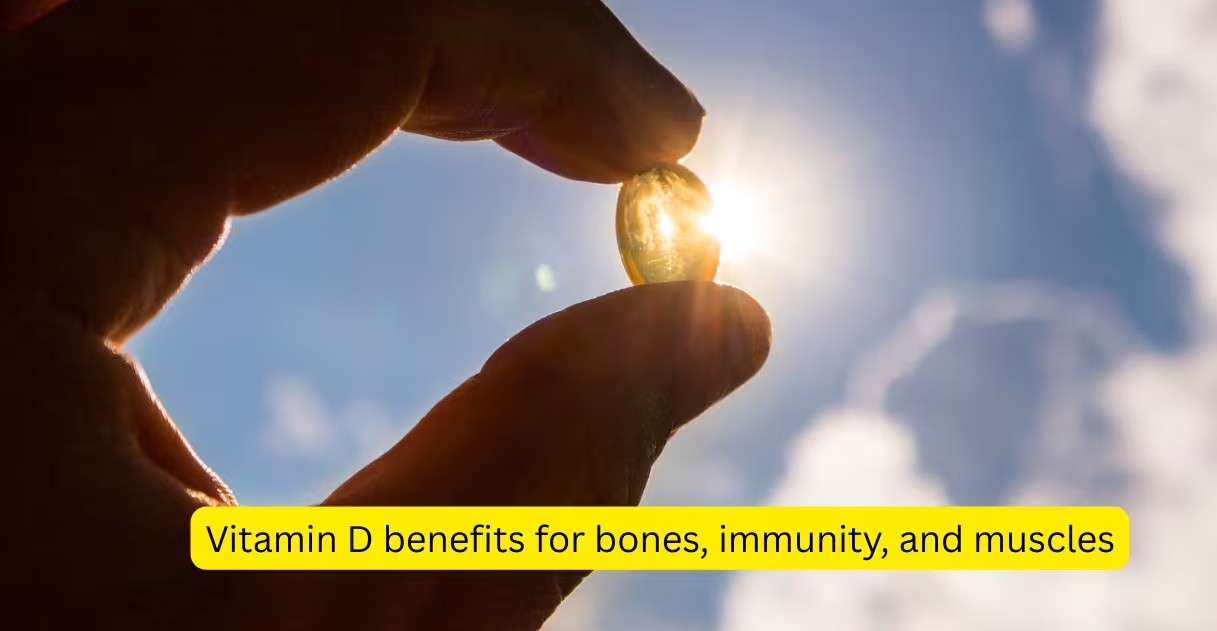
Vitamin D is more than just a vitamin; it acts as a vital hormone the body requires to maintain healthy bones, robust immunity, and strong muscles. Known as the sunshine vitamin because the body produces it when exposed to sunlight, vitamin D plays a fundamental role in multiple physiological fun...
Vitamin D is more than just a vitamin; it acts as a vital hormone the body requires to maintain healthy bones, robust immunity, and strong muscles. Known as the sunshine vitamin because the body produces it when exposed to sunlight, vitamin D plays a fundamental role in multiple physiological functions that affect overall health and well-being. However, many people worldwide suffer from vitamin D deficiency, which can lead to serious health repercussions. Understanding the benefits of vitamin D and who is most at risk of low levels is crucial for prevention and timely intervention.
Key Highlights On The Benefits Of Vitamin D
Vitamin D is essential for calcium absorption in the intestines, which directly impacts bone mineralization, strength, and growth.
It prevents bone disorders such as rickets in children and osteomalacia in adults, conditions characterized by soft, brittle, and misshapen bones.
Adequate vitamin D supports muscle development and strength, reducing risks of falls and fractures, especially in older adults.
It modulates immune responses, helping the body fight infections and reducing inflammation; deficiency is linked to higher susceptibility to autoimmune diseases.
Emerging evidence suggests vitamin D influences heart health, brain function, and mood regulation, potentially lowering risks of heart disease and cognitive decline.
Vitamin D’s Crucial Role In Bone Health
Bones are in a constant state of remodeling, balancing breakdown and rebuilding processes. Vitamin D facilitates efficient calcium absorption and maintains adequate calcium and phosphate levels in the blood, essential for bone mineralization. Without enough vitamin D, bones become weak and fragile, increasing fracture risks, especially in the elderly population prone to osteoporosis. Deficiency can slow bone growth and repair, leading to deformities in children and increased fracture rates in adults.
Vitamin D And Muscle Function
Muscles depend on vitamin D for normal development, strength, and coordination. Low vitamin D levels can lead to muscle weakness, pain, and higher risk of falls – a leading cause of injury in older adults. Some studies have shown that vitamin D supplementation can improve muscle strength and physical performance, contributing to better balance and reduced fall risk.
Immunity Benefits And Disease Prevention
Vitamin D impacts both innate and adaptive immunity. It activates immune cells, enhancing their ability to detect and combat pathogens such as viruses and bacteria. Deficiency has been associated with increased susceptibility to infections like influenza, COVID-19, and respiratory illnesses. Moreover, vitamin D may help modulate autoimmune responses, lowering the risks of diseases such as rheumatoid arthritis and multiple sclerosis by reducing chronic inflammation.
Who Is Most At Risk Of Low Vitamin D Levels?
Older adults, especially those above 70, are at higher risk due to reduced skin synthesis, less outdoor activity, and lower dietary intake.
People with darker skin have more melanin, which reduces vitamin D production from sunlight exposure.
Individuals living in higher latitudes or places with limited sunlight, particularly during winter months, are susceptible to deficiency.
Those with limited sun exposure due to lifestyle, cultural dress codes, or indoor occupations may not produce adequate vitamin D.
People with certain medical conditions affecting fat absorption, like Crohn’s disease or celiac disease, often have lower vitamin D levels.
Breastfed infants without vitamin D supplementation and obese individuals are also vulnerable to deficiency.
Recommended Intake And Sources
Vitamin D can be obtained through skin exposure to sunlight, dietary sources such as fortified milk, fatty fish (salmon, mackerel), and egg yolks, or supplements. The recommended daily allowances vary by age:
Infants (0-12 months): 400 IU
Individuals 1 to 70 years: 600 IU
Adults over 70 years: 800 IU
Vitamin D supplements are often recommended for high-risk groups and those diagnosed with low levels. However, it is important to consult healthcare providers before starting supplementation to avoid toxicity.
Addressing The Global Public Health Challenge
Vitamin D deficiency is recognized as a widespread public health issue with implications for skeletal health, immune function, and chronic disease prevention. Increasing awareness, encouraging safe sun exposure, dietary modifications, and supplementation strategies can significantly reduce the burden of deficiency-related health problems globally.
Conclusion: Empowering Health With Adequate Vitamin D
Vitamin D is indispensable for maintaining strong bones, functional muscles, and a resilient immune system. Identifying those at risk for deficiency and ensuring adequate intake through lifestyle and dietary measures are foundational for promoting long-term health and preventing debilitating diseases. As research expands, vitamin D continues to reveal vital roles that enhance human health beyond bone strength, underscoring why this “sunshine vitamin” deserves a central place in health strategies worldwide.
Sources: NIH Office of Dietary Supplements, Cleveland Clinic, Mayo Clinic, Moneycontrol, Healthline, National Institute of Arthritis and Musculoskeletal and Skin Diseases