The US and India are nearing the completion of a major trade deal, with 99% of the agreement settled. US officials confirmed that negotiations are focused on the final 1%, aiming to strengthen bilateral economic ties, streamline supply chains, and foster greater market access for businesses in both nations.
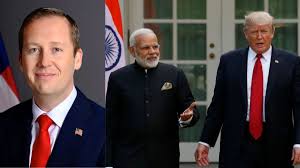
The United States and India are in the final stages of negotiating a bilateral trade agreement, with officials confirming that 99% of the framework is now in place. According to the US Ambassador to India, the remaining 1% of the deal is currently under active discussion, with both nations working to bridge the final gaps in a relationship that has become a cornerstone of their respective geopolitical strategies. This development follows years of sustained dialogue between Washington and New Delhi, aimed at addressing long-standing trade barriers, intellectual property concerns, and market access issues. The successful conclusion of this deal is viewed as a vital step in deepening economic integration at a time when both countries are seeking to diversify supply chains and reduce reliance on third-party manufacturing hubs.
Navigating the Final Negotiating Hurdles
The trade discussions have been characterized by a complex process of alignment between two of the world's largest economies. While the majority of the pact has been settled, the final 1% involves nuanced negotiations regarding specific sector-level market access, regulatory standards, and digital trade provisions.
Diplomatic sources indicate that the United States Trade Representative (USTR) and the Ministry of Commerce and Industry in India have held multiple rounds of talks to align their domestic priorities with the broader objective of the partnership. The focus remains on creating a framework that is mutually beneficial while respecting the domestic economic policies of both democratic nations.
Strategic Economic Significance
The completion of this US-India trade deal holds significant implications for investors, businesses, and the broader global economy. By streamlining the flow of goods and services, the agreement is expected to catalyze increased foreign direct investment (FDI) and lower operational costs for companies navigating both markets.
For Indian exporters, the deal promises enhanced access to the US market, particularly in sectors such as technology, pharmaceuticals, and manufacturing. Conversely, US companies are looking for clearer pathways to engage with India’s rapidly growing digital economy and expanding consumer base. The synergy created by this agreement is also intended to serve as a model for future economic collaborations between the two countries.
Official Sources Section
Details regarding the status of trade negotiations are based on briefings and public addresses from the United States Embassy in India and official updates from the Ministry of Commerce and Industry. Regulatory and policy-related frameworks referenced in these discussions are also managed by the United States Trade Representative (USTR) and the Department of Commerce.
Quote Section
According to officials familiar with the negotiations, the focus is currently on "addressing the final, highly technical aspects of the agreement to ensure it meets the rigorous standards expected by both the United States and India."
Organizers stated that the intent is to move beyond the final 1% of the trade deal to establish a durable, high-standard economic partnership that can adapt to the shifting needs of both nations over the coming decade.
Why It Matters
The finalization of this trade agreement serves as a practical bridge between the policy goals of Washington and New Delhi. For businesses, it provides a level of certainty that is essential for long-term capital allocation. For citizens and consumers, the pact is expected to lead to greater availability of goods and services, competitive pricing, and more robust job creation through integrated supply chains. The success of these talks reinforces the view that bilateral trade remains an essential pillar of the broader US-India strategic partnership.
Key Facts at a Glance
Progress: 99% of the trade deal framework is complete, with negotiations currently focused on the final 1%.
Key Partners: The talks are led by the United States Trade Representative (USTR) and India's Ministry of Commerce and Industry.
Strategic Focus: The agreement aims to streamline market access, digital trade, and intellectual property standards.
Economic Impact: The deal is expected to increase bilateral trade volumes and foster deeper integration of supply chains.
FAQ Section
Q: What is the main objective of the US-India trade deal?
A: The primary goal is to resolve outstanding trade issues, improve market access, and deepen economic ties between the two nations to facilitate easier trade and investment.
Q: When will the final 1% of the agreement be finalized?
A: Officials have not provided a definitive timeline, but both sides are actively engaged in resolving the remaining technical issues to reach a conclusion.
Q: How will this deal affect small businesses?
A: By reducing trade barriers and standardizing regulations, the deal is intended to make it easier for smaller enterprises to explore international markets and integrate into cross-border supply chains.
Q: Does this deal cover all sectors?
A: The agreement focuses on a broad range of sectors, though specific provisions are negotiated based on the trade interests of both the United States and India.
Source: United States Trade Representative (USTR), Ministry of Commerce and Industry, United States Embassy in India, Department of Commerce