The rich mosaic of Indian culture is woven with myriad festivals celebrated across religions, regions, and communities. However, while festivals traditionally mark religious and cultural milestones, they also possess the power to transcend divisions and foster unity. Imagining an inclusive Indian...
The rich mosaic of Indian culture is woven with myriad festivals celebrated across religions, regions, and communities. However, while festivals traditionally mark religious and cultural milestones, they also possess the power to transcend divisions and foster unity. Imagining an inclusive Indian festival means reimagining celebrations as forums of harmony, respect, and shared joy that embrace every citizen beyond ritualistic boundaries.
Key Insights On Imagining Inclusivity In Indian Festivals
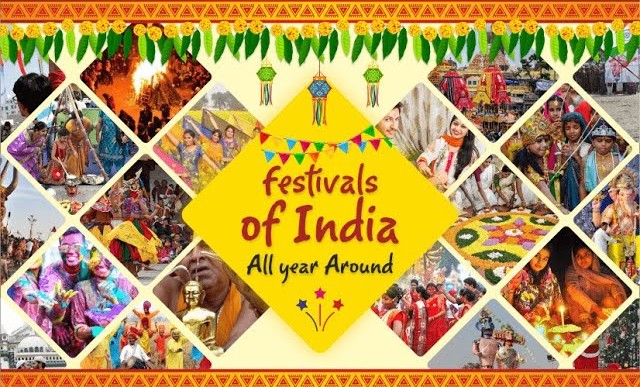
Indian festivals encompass incredible diversity—from Diwali’s lights and Holi’s colors to Eid’s prayers and Christmas carols—each with distinct origins and styles.
Despite differences, many festivals increasingly reflect shared values of gratitude, generosity, hope, and community togetherness.
Events like the International Purple Fest in Goa, focusing on inclusion and accessibility for persons with disabilities, showcase how festivals can lead transformative social change.
Interfaith celebrations such as the joint Diwali prayers at Hazrat Nizamuddin’s Dargah and Hindu-Muslim organized fairs highlight India’s living tradition of communal harmony.
Inclusive festivals adapt rituals to accommodate diverse participants, including multilingual content, eco-friendly practices, and accessible facilities.
Leveraging technology—like virtual participation and social media—further democratizes festival participation for those unable to attend physically.
The vision of inclusivity extends to addressing economic disparities by supporting underprivileged families with festival essentials and fostering widespread celebration.
Festivals also serve as vital arenas to counter divisiveness propagated through political or social faultlines, reinforcing unity in diversity.
Examples Of Festivals Celebrating Unity And Diversity
Sankranti is celebrated across India with regional variations but uniformly honors nature’s bounty and communal gratitude, bridging cultural gaps.
The Diwali fair in Syana, Bulandshahr, where communities from different faiths collaborate, is a shining emblem of inter-community respect.
Events like Holi that invite playful interaction between different castes, religions, and ages break down social hierarchies symbolically through colors.
International Purple Fest Goa focuses on promoting dignity and participation for persons with disabilities, underscoring inclusivity within celebration.
The Role Of Tradition And Modernity
Authenticity in festivals comes from honoring ancestral rituals and stories, but inclusivity flows from welcoming everyone with respect and adaptability. Balancing these demands encourages festivals to be both rooted and relevant. Modern tools like livestreaming and multilingual communications help traditional festivals reach wider and more diverse audiences.
Fostering A Festival Culture That Embraces All
Inclusive festivals remind us that celebrations can be more than rituals; they can be celebrations of shared humanity. By consciously dismantling barriers of religion, caste, ability, gender, and economics, festivals can become powerful unifiers.
As we look forward to future festival seasons, cultivating a culture that embraces difference while celebrating unity is essential for social cohesion, peace, and joy.
Conclusion: Festivals As Instruments Of Harmony
India’s festivals are far more than dates on a calendar—they are living expressions of complex, layered identities unified by celebration. Evolving these festivals towards inclusivity and accessibility helps sustain India’s incredible spirit of unity in diversity. Embracing and enhancing this ethos is a gift we can offer to generations to come.
Sources: Utsav.gov.in, Purple Fest Goa, Chegg India, Jansatta, Asian Network at Yale, FestivalsFromIndia.com, CJP India, StudyIQ, Walnut School, DrikPanchang.com, various news and cultural resources.