As India prepares to celebrate its 78th Independence Day, a lesser-known chapter of its industrial history has resurfaced, shedding light on how indigenous engineering once rattled the foundations of British colonial control. A recent feature revisits the story of Indian-built locomotives that al...
As India prepares to celebrate its 78th Independence Day, a lesser-known chapter of its industrial history has resurfaced, shedding light on how indigenous engineering once rattled the foundations of British colonial control. A recent feature revisits the story of Indian-built locomotives that alarmed the British so deeply, they banned their production in 1912 to protect imperial interests. This historical revelation underscores the ingenuity of Indian mechanics and the systemic suppression of local industry under colonial rule.
Key Highlights from the Historical Retrospective
Indian railway workshops began designing and building locomotives as early as 1878
British authorities banned Indian-made engines in 1912 due to their cost-efficiency and quality
Between 1854 and 1947, India imported over 17,000 locomotives, but none were made locally after the ban
The Jamalpur and Ajmer workshops were central to India’s early locomotive engineering efforts
Colonial Railways: A Tool of Exploitation
While often romanticized as a gift of modernity, the British-built railway network in India was primarily designed for economic extraction and administrative control. The infrastructure enabled the rapid movement of raw materials—cotton, coal, and grain—from the hinterlands to ports, feeding British industries while stifling Indian self-reliance.
Railways prioritized British commercial interests over Indian development
Indigenous engineering was actively discouraged to maintain dependence on British imports
The myth that India couldn’t have developed railways without colonial intervention is being challenged
The Rise of Indian Locomotive Workshops
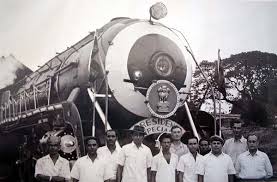
The Jamalpur workshop in Bengal and the Ajmer workshop in Rajputana were established in 1862 to maintain trains. By 1878, Indian mechanics had advanced enough to begin designing and building their own locomotives. Their success was so impressive that it began to threaten British manufacturers.
Indian-built engines were cheaper and equally reliable compared to British imports
British officials feared losing control over a strategic industrial sector
Shashi Tharoor’s book “Inglorious Empire” documents how this alarm led to a legislative ban in 1912
The 1912 Ban: Suppressing Indigenous Innovation
In response to India’s growing engineering capabilities, the British Parliament passed a law explicitly prohibiting Indian workshops from manufacturing locomotives. This move ensured continued reliance on British-made engines and preserved imperial economic dominance.
The ban halted local innovation and industrial growth for decades
India imported 14,400 locomotives from England and 3,000 from other Western nations between 1854 and 1947
The suppression of Indian engineering talent delayed the country’s industrial self-sufficiency
Post-Independence Reclamation of Industrial Identity
After 1947, India began reclaiming its industrial autonomy. The establishment of Chittaranjan Locomotive Works and other manufacturing hubs marked the revival of indigenous engineering. Today, India is a global player in railway technology, exporting locomotives and metro systems to multiple countries.
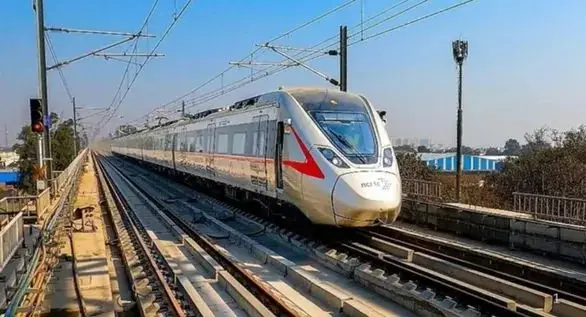
Indian Railways now designs and builds high-speed trains and electric locomotives
The legacy of early Indian mechanics continues to inspire modern engineers
The story of the banned engines serves as a reminder of India’s suppressed potential and its eventual resurgence
Source: The Economic Times – August 12, 2025