The Indian online food delivery giant Zomato is at the center of speculation about whether it will move to a zero commission model for restaurants on its platform. While the food-tech space is witnessing increased competition and businesses like Rapido introducing radically different pricing mode...
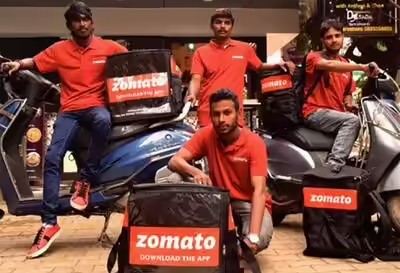
The Indian online food delivery giant Zomato is at the center of speculation about whether it will move to a zero commission model for restaurants on its platform. While the food-tech space is witnessing increased competition and businesses like Rapido introducing radically different pricing models, Zomato has officially denied any plans to completely eliminate commissions for restaurant partners. Instead, the company is exploring adjustments to its commission and fee structures to address restaurant concerns without making sweeping changes.
Unpacking The Current Situation Around Zomato’s Commission Policies
Zomato’s Official Position on Zero Commission
Despite growing market rumors, Zomato has clarified that it has no immediate plans to adopt a zero commission model for restaurants. The current commission model remains in place, with commission rates ranging typically between 10% and 28%, based on factors such as order volume, restaurant brand, location, and order size. Additional charges include payment processing fees and taxes. The company is, however, engaging stakeholders to discuss potential refinements.
Commission Rates and Fee Structures
Zomato’s commissions vary widely: larger chains often negotiate lower rates, while smaller and local restaurants generally face higher commissions. Besides the base commission, Zomato charges fees related to delivery and other operational costs. In 2025, the company introduced fees for long-distance deliveries and prioritized paying partners by offering them improved rider allocation visibility.
Restaurant Industry Concerns
Many restaurants express concerns about commission levels impacting profitability. Smaller establishments especially feel the pinch, given commissions combined with payment gateways fees and promotional costs can significantly shrink margins. These challenges have emboldened competitors like Rapido, which offers zero commission models coupled with fixed subscription fees to entice restaurants.
The Competitive Landscape Disrupting Food Delivery Commission Norms
Rapido’s Entry With Zero Commission Model
Rapido, known for its bike-taxi services, has launched a food delivery platform with a striking zero commission pitch to restaurants. Instead of charging a percentage commission as Zomato and Swiggy do, Rapido charges fixed delivery or subscription fees, providing predictable cost structures for restaurants. This approach appeals to smaller restaurants struggling with high commission overheads.
Other Market Players and Alternatives
RailRestro and smaller apps have also embraced zero or lower commission approaches to attract partners disillusioned with the duopoly’s pricing. The growing presence of such competitors creates pressure on Zomato to reconsider or adjust its commission and fee frameworks to retain its vast network of restaurants.
Possible Future Scenarios And Zomato’s Strategic Moves
Commission Discussions Underway
Indications suggest Zomato is involved in internal discussions about lowering commission fees or fees on long-distance deliveries to address industry concerns, although no formal decisions or rollouts are confirmed yet. The goal is to optimize partner profitability while sustaining operational costs.
Balancing Profitability and Market Share
Zomato’s management is tasked with balancing profitability pressures, which have led to workforce reductions and operational streamlining, with the imperative to expand partner base and consumer reach. The company remains focused on delivering value-added services like advertising and premium collaborations to offset commission concerns.
Historical Context
Zomato has experimented with commission waivers and incentives in past years to grow market share, such as waiving commissions for high volume restaurants or emphasizing subscription models over per-order fees.
Conclusion: Zomato’s Path Forward Will Be Careful and Strategic
While the speculation around a zero commission model generates excitement and hope among restaurant partners, Zomato is currently maintaining its traditional commission model with nuanced adjustments under consideration. The company faces intense competitive dynamics that incentivize innovation but also require financial sustainability. Observers expect gradual commission policy evolution focused on lowering excessive fees and introducing more flexible pricing rather than abrupt, radical shifts.
This cautious approach seeks to preserve Zomato’s market leadership position and partner ecosystem while adapting to disruptive pressures from newer food delivery entrants advocating zero commission models.
Sources: NDTV Profit, Medial.app, StartupNews.FYI, Lemonn.co.in, Rapido, AngelOne, et al.