The AI hiring landscape is undergoing a fundamental transformation as companies pivot away from "token maxing"—a practice characterized by high-volume AI usage and prompt experimentation—toward "value maxing," a strategy centered on tangible return on investment (ROI).
MUMBAI — The AI hiring landscape is undergoing a fundamental transformation as companies pivot away from "token maxing"—a practice characterized by high-volume AI usage and prompt experimentation—toward "value maxing," a strategy centered on tangible return on investment (ROI).
For job seekers, the shift signals a new requirement: candidates must now demonstrate how their AI skills translate into specific business results, such as reduced operational costs, accelerated product development, or improved customer experience.
The End of the ‘Token’ Era
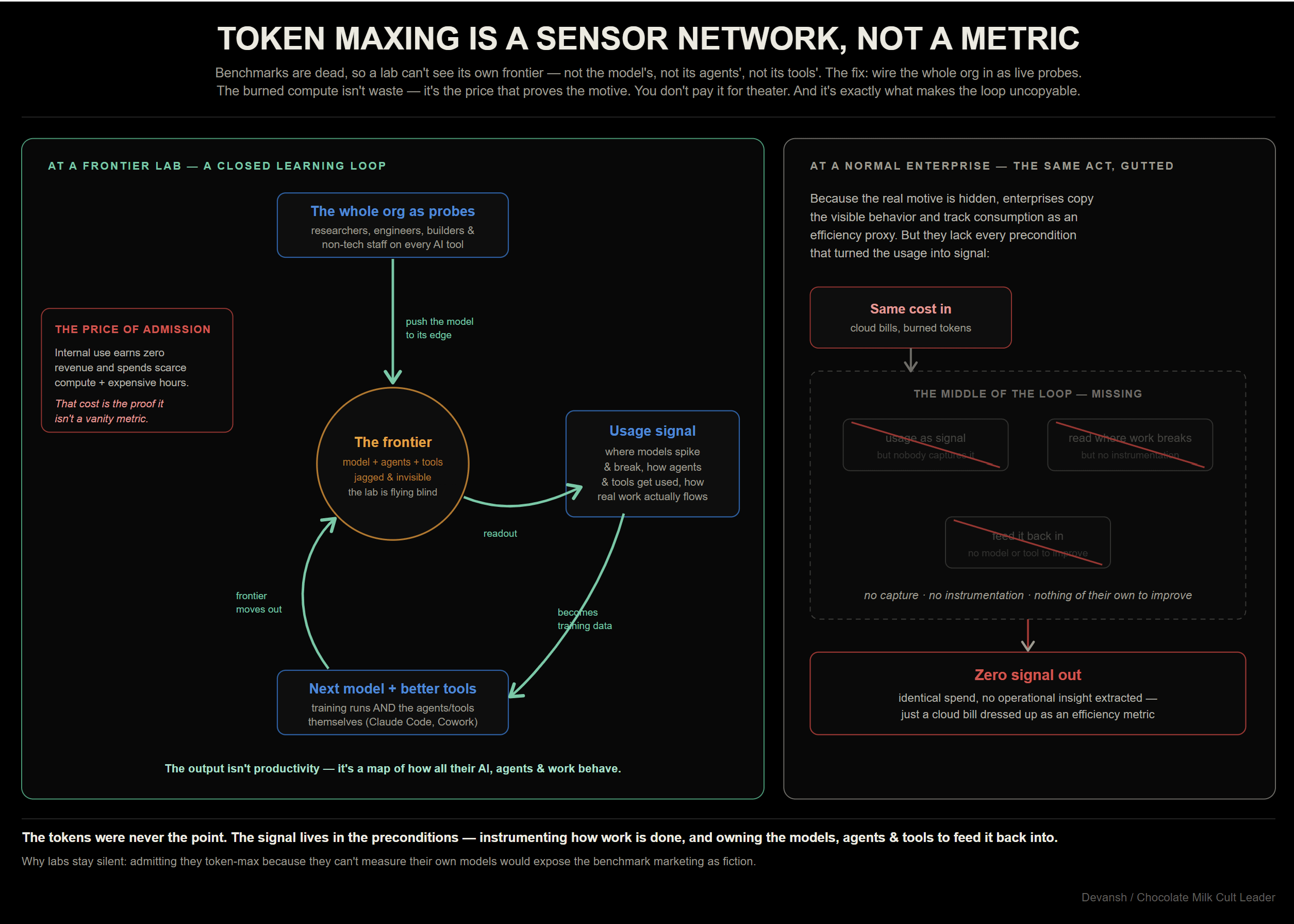
In the initial stages of the generative AI boom, many organizations utilized "token consumption"—the measurement of basic units of text processed by AI models—as a proxy for productivity. This led to a trend where employees and candidates would boast about billions of tokens consumed as evidence of their AI proficiency.
However, as CFOs and finance teams begin to scrutinize AI budgets, high token usage without corresponding revenue growth or cost savings is increasingly viewed as a "red flag" by recruiters and founders.
"When we hire folks, the ones who are mentioning ‘I’ve used 5 billion tokens or 10 billion tokens’—that’s a red flag for me if you’re not giving me an ROI," said Additi Upadhyay, co-founder of AI startup Noveum AI.
Defining ‘Value Maxing’
"Value maxing" represents a more rationalized approach to artificial intelligence. Instead of indiscriminately using the most expensive models for every task, successful professionals are now expected to:
Select the Right Tools: Tailoring AI models to specific tasks rather than relying on a "one-size-fits-all" approach.
Design for Efficiency: Building workflows that prioritize precision and outcome quality over raw context window volume.
Measure Business Impact: Connecting AI-driven productivity to clear metrics, such as bottom-line growth or improved operational efficiency.
Experts suggest that the current market rewards those who can treat tokens as "talent enhancers" rather than mere labor substitutes. Companies are increasingly looking for "AI-native" professionals who can redesign core business processes to create a "continuous growth flywheel" where AI systems learn and improve over time.
Why the Shift Matters
The transition is largely driven by the reality of scaling AI from proof-of-concept to production. While token usage remains a core unit of AI economics, enterprise leaders are now demanding "ROInt" (return on intelligence)—a metric that divides the value of output by the combined costs of labor and tokens.
For businesses, this shift is essential for sustainability. As agentic AI—autonomous systems that can reason and iterate through multiple steps—becomes more common, the potential for runaway token costs is significant. By hiring talent that prioritizes value creation, companies aim to avoid the pitfalls of exploratory spending and instead build scalable, high-ROI systems.
Key Facts at a Glance
Hiring Mindset: Employers are moving away from valuing raw prompt counts toward assessing measurable business outcomes.
Financial Scrutiny: Finance teams are increasingly auditing AI spend, leading to a demand for sophisticated "value maxing" strategies.
Efficiency Shift: Professionals are encouraged to use smaller, cheaper models for routine tasks and save high-performance models for complex, high-value operations.
New Metrics: Leaders are adopting "ROInt" to compare the value of output against the combined costs of human labor and compute tokens.
FAQ
What is the difference between "token maxing" and "value maxing"?
Token maxing is the practice of maximizing AI tool usage or prompt volume, often used as a metric for AI adoption. Value maxing focuses on using AI strategically to achieve specific, measurable business goals while optimizing costs.
Why do recruiters now see high token usage as a red flag?
Without a direct link to ROI, high token consumption suggests inefficient use of expensive compute resources, which can negatively impact a company's bottom line.
What skills should I highlight to potential employers?
Focus on your ability to integrate AI into existing business workflows, your experience in choosing the right tool for specific tasks, and your ability to demonstrate how AI has directly contributed to time or cost savings.
Source: Livemint, Inc., BCG, PwC