The Bihar government has praised ICRISAT and its university partners for successfully boosting millet cultivation via the Gaya Centre of Excellence. Over three years, the initiative has introduced 37 crop lines, trained 1,000+ farmers, restored traditional water infrastructure, and positioned women-led groups at the forefront of climate-resilient agriculture.
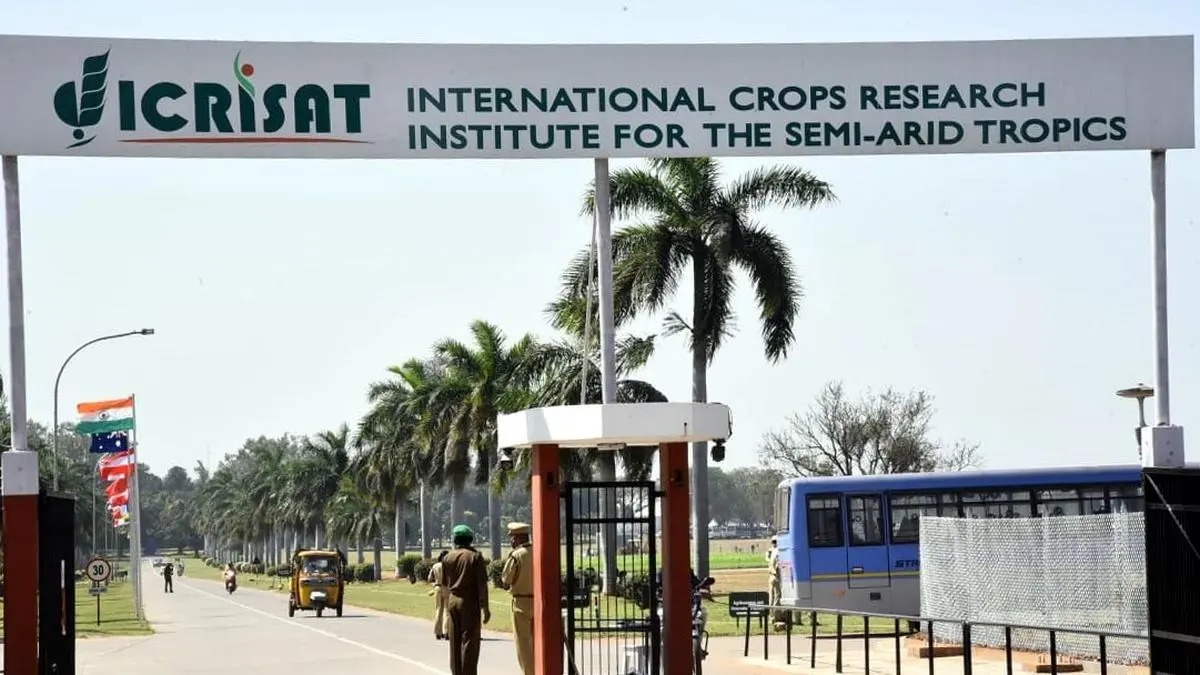
GAYA, INDIA — The Government of Bihar has officially commended the International Crops Research Institute for the Semi-Arid Tropics (ICRISAT) and its regional partner institutions for their outstanding contributions toward transforming dryland agriculture. During a high-level review at the Bihar Centre of Excellence for the Millet Value Chain (BCoEMVC) in Mayapur, Gaya, Bihar’s Minister of Agriculture, Shri Vijay Kumar Sinha, lauded the localized execution of sustainable farming frameworks. The state-backed initiative is designed to scale up crop diversification and secure climate-resilient livelihoods across rain-deficient districts.
The announcement, verified during the nationwide Khet Bachao Abhiyan soil health outreach campaign, highlights a rapid structural shift in Bihar's primary agrarian economy. By transitioning vulnerable smallholders away from traditional water-intensive crop models, the multi-institutional project addresses critical long-term groundwater depletion and rural nutritional deficits.
Technical Benchmarks Reveal High-Yield Seed Generation Success
According to progress briefs compiled by project managers at the International Crops Research Institute for the Semi-Arid Tropics (ICRISAT), the joint program—which commenced operations in July 2023—has recorded substantial infrastructure milestones over its initial three-year run. Foremost among these achievements is the successful identification of 37 promising high-yield genetic lines spanning seven distinct millet crops. These varieties are currently undergoing advanced evaluations under the All India Coordinated Research Project (AICRP) parameters to ensure geographic adaptability.
The baseline breeding operations have successfully generated over 2,700 kilograms of certified, high-quality reference seed stock to protect local supply chains. Additionally, agronomy teams have systematically rolled out over 7,000 multi-location trials across eight targeted districts in South Bihar. These field trials demonstrate the direct viability of alternative millets, oilseeds, and pulses as dependable substitutes for traditional paddy-wheat cropping systems.
Traditional Water Infrastructure Revived to Reclaim Fallow Acreage
A major focal point highlighted by technical scientists during the ministerial evaluation involves the successful restoration of South Bihar's traditional water networks. The project teams completed the engineering renovation of four historic Aahar-Pyne catchments (traditional community-managed drainage and retention systems). This structural restoration successfully stabilized water availability, bringing heavily degraded and previously fallow rural lands back into active seasonal cultivation.
The localized field modernizations actively align with the core environmental mandates set forth under Bihar’s Fourth Agriculture Road Map. Through the parallel introduction of zero-tillage farming methods and low-cost field mechanization units, the program helps farmers reduce overhead layout expenses while protecting fragile topsoil profiles from extreme heat erosion.
Official Sources Section
The underlying production metrics, training rosters, and infrastructure data points are certified through institutional coordination records.
Quote Section
"According to officials, the partnership between international research bodies and our state universities over the past three years has laid a clear roadmap for scaling sustainable cultivation. Organizers stated that the focus will remain on establishing permanent secondary processing centers to ensure local farmers capture vertical market premiums directly within their home districts."
Why It Matters
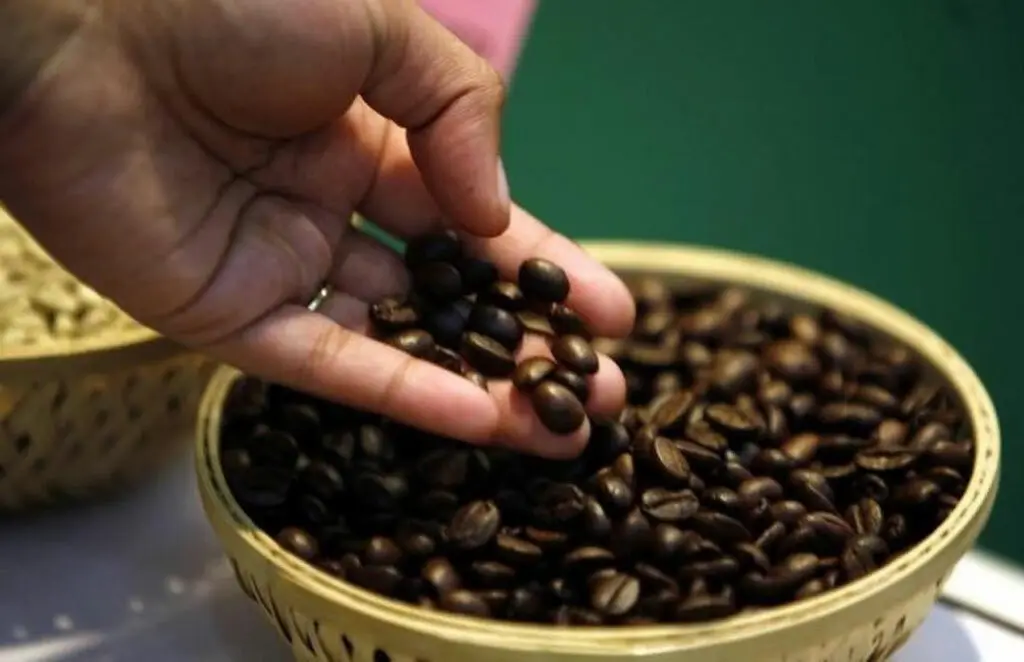
For smallholder farmers, adopting drought-tolerant millets lowers cultivation risks during unpredictable monsoon cycles. For consumers, expanding localized processing infrastructure makes nutrient-dense millet flours, grains, and ready-to-market foods affordable. This structural availability provides an essential tool for state healthcare teams working to combat chronic micronutrient deficiencies among vulnerable rural populations.
Key Facts at a Glance
Crop Lines Identified: 37 promising climate-resilient millet lines selected across 7 crops for state-level integration.
Seed Multiplier Grid: Over 2,700 kilograms of certified high-quality seed stock produced domestically.
Socio-Economic Inclusion: Engaged 696 farmers across 8 districts, with 7 women-led Self-Help Groups (SHGs) managing seed production grids.
Educational Outreach: More than 1,000 farmers successfully trained in enterprise value addition, with women making up 73% of participants.
Infrastructure Lift: Five dedicated processing hubs established alongside the mechanical restoration of four historic Aahar-Pyne water systems.
FAQ Section
What is the role of the Bihar Centre of Excellence for the Millet Value Chain?
The Center serves as the primary scientific research and training hub in the state, focusing on seed improvement, sustainable farming demonstrations, value-added product development, and market integration for smallholders.
How are women farmers empowered through this specific project?
Women are central to the state's millet revival, comprising over 73% of all trained personnel and leading community-owned seed production through seven dedicated self-help groups.
Why are millets being prioritized over the traditional paddy-wheat system?
Millets require significantly less water, survive prolonged dry spells, and yield reliable harvests in low-fertility soils while offering superior iron, calcium, and dietary fiber content compared to polished rice or wheat.
Source: