Global bullion markets are bracing for a week of high volatility as investors track critical interest rate decisions from major central banks, evolving diplomatic talks between the U.S. and Iran, and the resulting fluctuations in crude oil prices that continue to influence gold’s status as both a safe-haven and inflation hedge.
NEW DELHI – Global bullion markets are entering a critical phase this week, with analysts projecting range-bound price action as market participants await high-stakes economic developments. The precious metal, which has seen significant volatility throughout the first half of 2026, is currently caught in a tug-of-war between potential diplomatic breakthroughs in the Middle East and the looming prospect of further interest rate hikes.
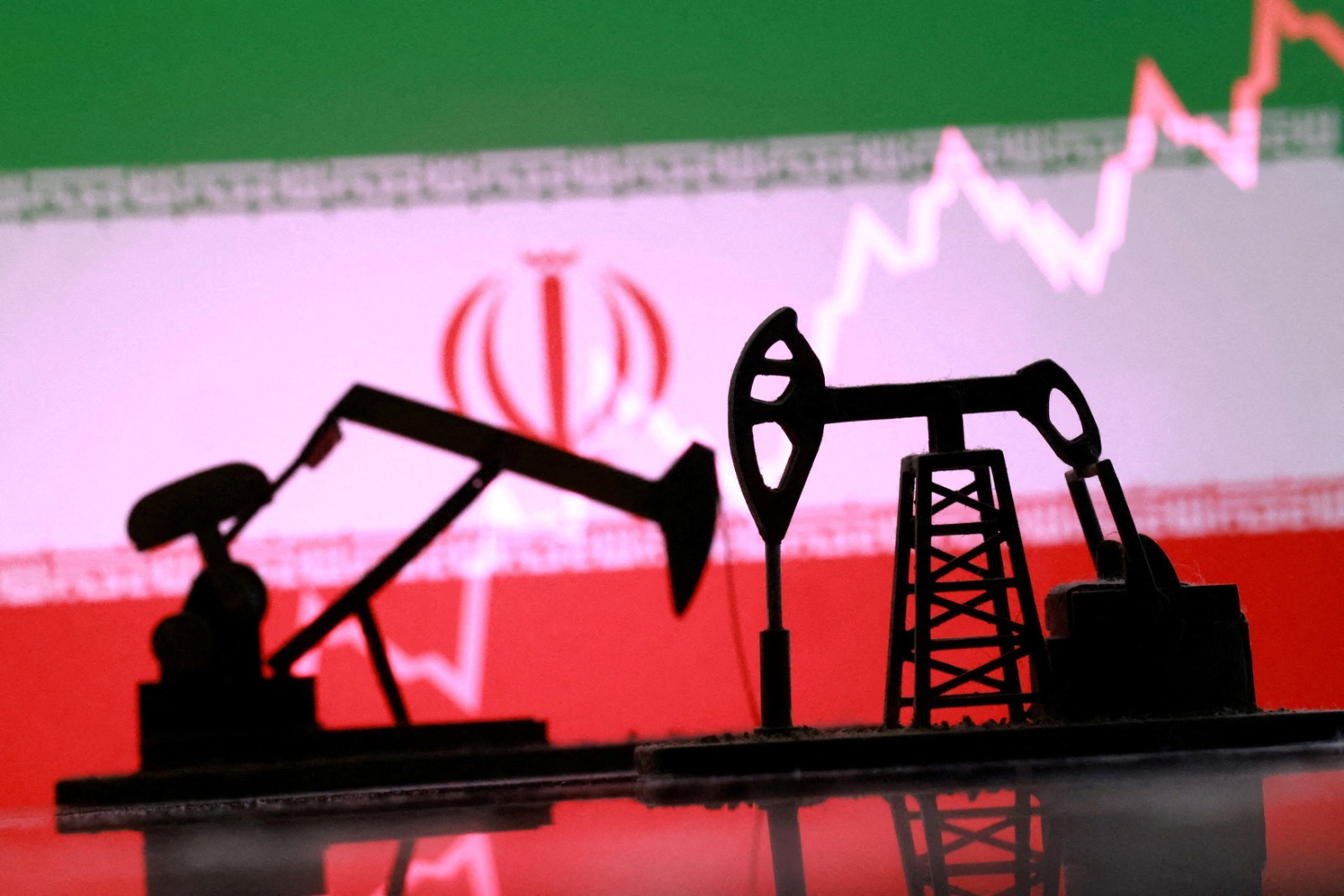
Market sentiment is heavily dictated by the progress of prospective peace negotiations between Washington and Tehran. Following recent signals from U.S. officials, hopes for a diplomatic agreement have gained traction, sparking a sharp decline in crude oil prices—a development that has historically served as a double-edged sword for bullion. While lower oil prices help alleviate inflationary pressures, they simultaneously diminish the perceived need for gold as an inflation hedge.
Central Bank Policy in Focus
The coming days are set to be dominated by critical monetary policy decisions from the U.S. Federal Reserve, the Bank of Japan, and the Bank of England. These meetings are widely expected to clarify the global interest rate trajectory, a primary driver for non-yielding assets like gold.
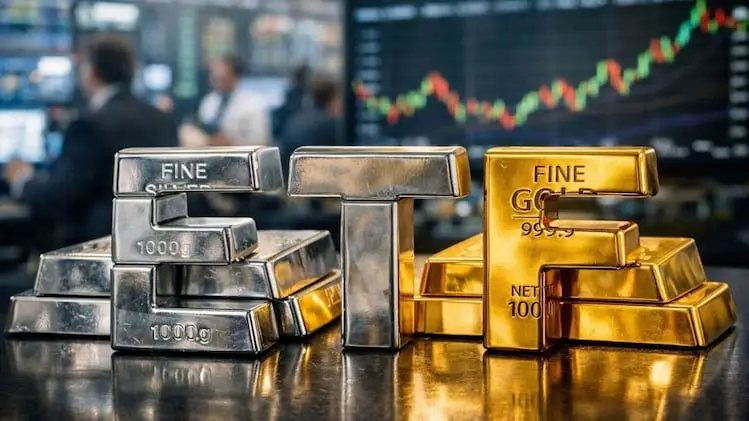
According to analysts at LKP Securities, the market is bracing for potential shifts in Fed policy. Should inflationary pressures persist, the resulting "higher-for-longer" rate environment could continue to weigh on gold, which has already struggled to maintain its earlier record-breaking momentum. Technical indicators further suggest that bullion is currently testing critical support levels, with traders closely monitoring its performance relative to its 200-day moving average.
Geopolitical Triggers and Oil Correlation
The movement of Brent crude oil remains perhaps the most significant external catalyst for gold’s near-term direction. As geopolitical tensions in the Strait of Hormuz have fluctuated, the inverse relationship between oil and gold has become increasingly pronounced. Reports of a possible Memorandum of Understanding (MoU) to reopen energy supply lines have boosted risk appetite, temporarily curbing the demand for safe-haven assets.
Pranav Mer, Vice President of Commodity & Currency Research at JM Financial Services Ltd, noted that the finalization of a U.S.-Iran deal could trigger a rally in risk assets, potentially providing a lift to silver and gold through improved market sentiment. However, he warned that any reversal in these diplomatic efforts could just as quickly renew safe-haven buying.
Impact on Domestic Markets
In India, the bullion market has underperformed relative to international counterparts. Analysts attribute this gap to a strengthening rupee, which has partially offset the impact of global price fluctuations. Despite domestic price corrections—with gold futures for August delivery recently settling near the ₹1.50 lakh per 10-gram mark on the Multi Commodity Exchange (MCX)—retail and institutional investors remain cautious.
Market participants are also tracking India’s Consumer Price Index (CPI) and Wholesale Price Index (WPI) readings, which will provide domestic cues on inflation and interest rate expectations.
Key Facts at a Glance
Key Triggers: Upcoming Fed, BoJ, and BoE policy meetings, U.S.-Iran peace deal negotiations, and Brent crude oil fluctuations.
Price Correction: Spot gold prices have retreated from record highs, testing critical support levels as markets digest the risk of potential Fed rate hikes.
Market Sentiment: Investors are shifting between safe-haven buying and risk-on sentiment depending on daily headlines regarding the Iran conflict.
Technical Context: Analysts suggest that gold’s ability to defend the $4,000–$4,200 per ounce range is vital to prevent further technical breakdowns.
FAQ
Why is the U.S.-Iran deal impacting gold prices?
The potential deal could reopen critical oil shipping routes, lowering energy costs and easing inflationary pressures. Reduced inflation and geopolitical stability traditionally lower the demand for gold as a "safe-haven" hedge.
How do central bank meetings affect bullion?
Gold does not generate interest. When central banks like the U.S. Federal Reserve raise interest rates, the opportunity cost of holding gold increases, often leading to lower prices.
What should investors watch this week?
Investors should monitor the outcome of the U.S. Fed’s interest rate decision, updates on the U.S.-Iran peace negotiations, and any significant movements in Brent crude oil pricing.
Is the current gold price drop a long-term trend?
Many analysts view the current pullback as a correction within a longer-term bull cycle, driven by structural demand from central banks and global debt concerns, rather than an end to the bullish outlook.
Summary: Gold markets are facing a volatile week as investors monitor U.S.-Iran diplomatic progress, crude oil price shifts, and upcoming central bank interest rate decisions. While recent geopolitical tensions have fueled uncertainty, the market remains focused on whether bullion can hold key technical support levels amid expectations of sustained interest rate pressure.
Source: Money Rediff, Investing.com, Upstox, Times of India