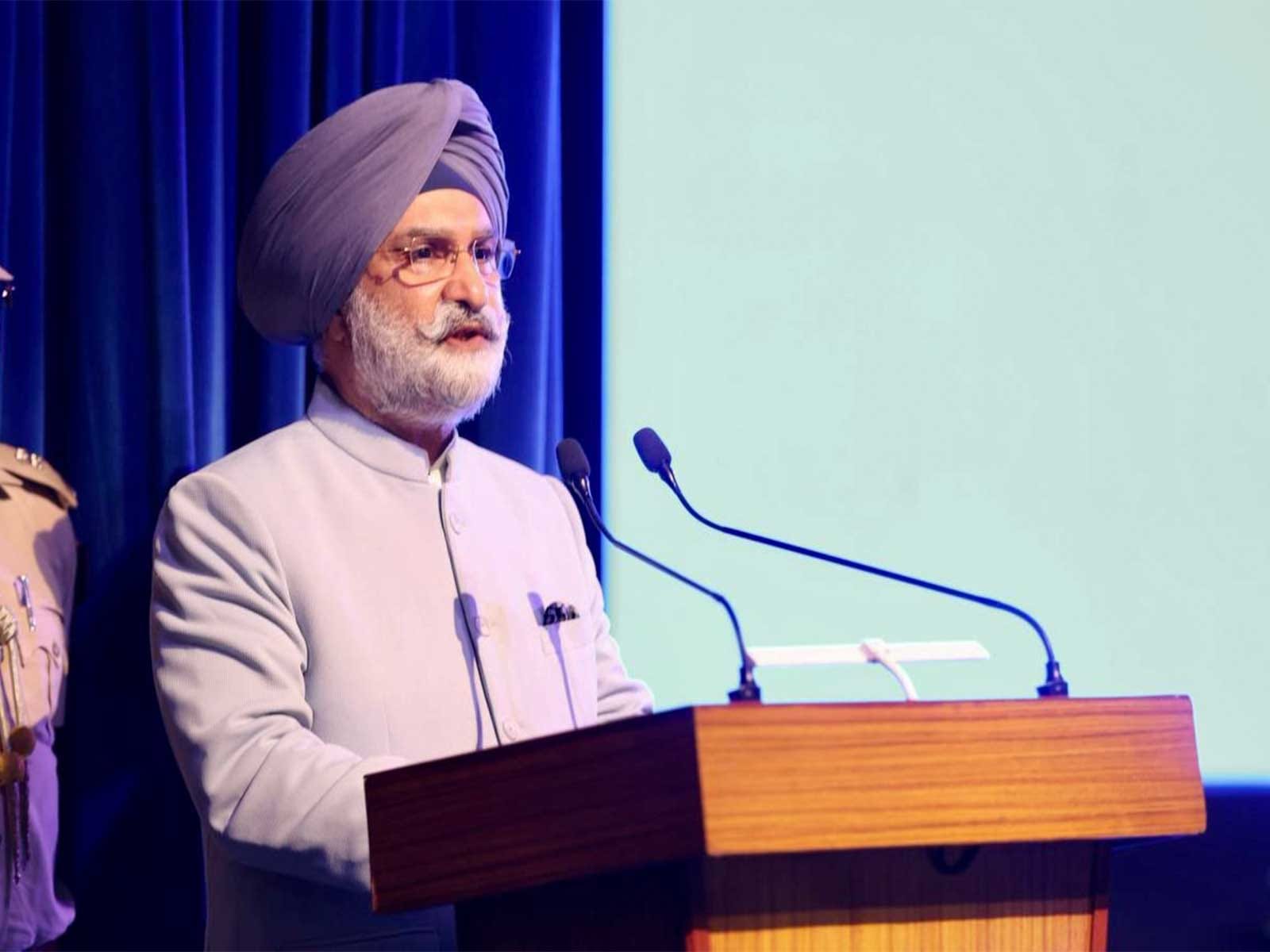
Delhi Lieutenant Governor Taranjit Singh Sandhu has approved conferring Executive Magistrate powers on key revenue officers under Section 14 of the BNSS, 2023. Following a shift to 13 administrative districts, the directive empowers DMs, ADMs, and Tehsildars to handle law-and-order duties, streamlining local governance across the capital.
NEW DELHI, INDIA — In a major administrative restructuring aimed at strengthening grassroots law enforcement and municipal oversight, Delhi Lieutenant Governor Taranjit Singh Sandhu has formally approved the conferment of Executive Magistrate powers on key revenue and administrative officers across the National Capital Territory (NCT). The sovereign directive expands the legal jurisdiction of regional civil servants following a systemic legislative overhaul of the city's geographical and revenue boundaries. Vested under modern federal criminal statutes, the decision creates an immediate legal framework to secure public order, streamline administrative clearances, and fast-track localized dispute resolutions across newly established municipal zones.
Legal Transition Under the New Penal Code Framework
The assignment of executive magisterial authority marks a distinct transition within Delhi's local judiciary system. The decision has been officially enacted under Section 14 of the Bharatiya Nagrik Suraksha Sanhita (BNSS), 2023, the federal statute that completely replaced the colonial-era Code of Criminal Procedure (CrPC). Under Section 14, the competent "State Government" holds the legal authority to designate official Executive Magistrates, establish District Magistrates (DMs), and deploy administrative magistrates to oversee specific local subdivisions.
The formal transition of these judicial responsibilities to the Lieutenant Governor stems directly from a Ministry of Home Affairs (MHA) notification. The federal mandate delegates the statutory powers of the "State Government" under the BNSS—excluding Section 523—directly to the Lieutenant Governor of Delhi, ensuring clear regulatory command over the NCT's internal administration.
Broad Spectrum of Vested Administrative Personnel
According to the official decree, the newly authorized Executive Magistrate powers will be deployed systematically across multiple layers of the city's Revenue Department. The designation applies directly to:
The allocation of these legal powers follows the comprehensive reorganization of Delhi's internal revenue districts. The spatial adjustment, which grew out of a cabinet decision, expanded the territory's setup from 11 to 13 distinct administrative districts and substantially increased the total number of sub-divisions from 33 to 39 to align directly with Municipal Corporation of Delhi (MCD) boundaries.
Oversight on Public Security and Field Operations
Vesting revenue officers with Executive Magistrate capabilities provides the regional administration with direct, localized tools to maintain public order. Officers holding these credentials are legally authorized to handle preventive components of the criminal code, manage crowds, diffuse local civil disputes, and direct police authorities to maintain regional security during public emergencies or major city festivals.
Beyond public order, these civil servants carry out critical inquiries into unnatural occurrences, including custodial deaths and industrial accidents. By merging these judicial functions with existing revenue operations, the administration expects to significantly reduce delays in land record verifications, speed up the issuance of statutory certificates, and improve real-time responses during regional disaster management scenarios.
Official Sources Section
The formal authorization, legal code applications, and district frameworks were ratified through an official statement issued by the Delhi Lieutenant Governor's Secretariat and verified by administrative releases from the Ministry of Home Affairs and the Government of National Capital Territory of Delhi (GNCTD).
Quote Section
"Following the Revenue Department's district reorganization, the formal conferment of these magisterial powers became imperative to ensure seamless administrative governance, maintenance of law and order, and public service delivery across the newly structured districts. The proposal had earlier been approved by the Home Minister and the Chief Minister of GNCTD before being recommended to the Lieutenant Governor."
— Official release from the Lieutenant Governor’s Secretariat.
Why It Matters
This administrative policy shift alters how citizens, property owners, and corporate entities interact with Delhi's local government. Previously, overlapping jurisdictions between civil revenue collectors and police magistrates frequently stalled local land disputes and slow-walked structural public inquiries. By transforming local Tehsildars and Revenue Assistants into active Executive Magistrates, the administration minimizes procedural bottlenecks. For the public, this translates to faster property registrations, swifter verifications for caste and domicile certificates, and more responsive local governance, directly supporting the Union Government's ongoing "Ease of Living" governance mandate.
Key Facts at a Glance
Legal Foundation: Vested strictly under Section 14 of the newly instituted Bharatiya Nagrik Suraksha Sanhita (BNSS), 2023, replacing the traditional CrPC.
Expanded Districts: Joins a larger expansion plan that reorganized Delhi's administrative map from 11 to 13 districts and 33 to 39 subdivisions.
Personnel Scope: Vests magisterial authority directly in localized Tehsildars, Consolidation Officers, Revenue Assistants, ADMs, and DMs.
Unified Approval: The policy cleared a multi-tiered approval process, receiving formal signatures from the regional Chief Minister and the Union Home Minister before the LG's final authorization.
FAQ Section
What does it mean for a revenue officer to have Executive Magistrate powers?
It allows revenue officers, such as Tehsildars and District Magistrates, to exercise preventive law-and-order functions. They can issue binding public safety orders, manage local law enforcement during emergencies, and oversee independent administrative inquiries.
Why was this change necessary in Delhi now?
The expansion follows a major restructuring of Delhi's internal borders into 13 districts. Granting magisterial powers to revenue officers prevents bureaucratic friction, ensuring that newly formed zones have local officials capable of handling both land administration and civil security.
Which specific law grants these newly authorized powers?
The changes are executed under Section 14 of the Bharatiya Nagrik Suraksha Sanhita (BNSS), 2023, which grants the state executive the right to assign local magisterial duties.
Will this framework slow down standard land or public service deliveries?
No, the policy is designed to do the exact opposite. By consolidating administrative and preventive magisterial powers within the same regional offices, the government expects to accelerate property validations, certificate issuances, and community dispute resolutions.
Source: Delhi Lieutenant Governor's Secretariat, Ministry of Home Affairs, Government of NCT of Delhi