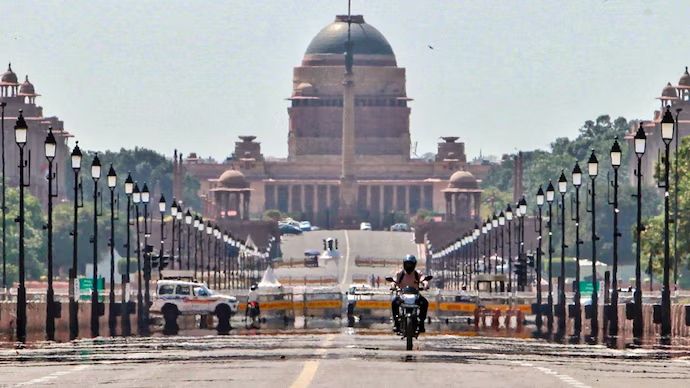
Delhi continues to experience a heat wave, recording a maximum temperature of 41°C on June 28, 2026. Despite the ongoing monsoon season across India, the national capital remains hot and humid. Forecasters expect the heat to persist briefly before cooler weather, driven by incoming thunderstorms and rain, arrives in early July.
NEW DELHI — The National Capital Region (NCR) continues to grapple with sweltering conditions as the India Meteorological Department (IMD) recorded a maximum temperature of 41°C in Delhi on Sunday, June 28, 2026. This latest spike maintains the oppressive weather trend that has dominated the city’s climate over the past 48 hours, keeping temperatures consistently above the 40°C threshold.
While the city had been bracing for a cooling trend linked to the advancing southwest monsoon, the current weather pattern remains characterized by intense solar heating and high heat indices. Met officials have observed that while a change in wind direction is expected, the immediate impact for residents remains a period of hot, dry, and uncomfortable conditions.
Weather Dynamics and Heat Index
The sustained high temperatures have been compounded by high humidity levels, leading to a "feels-like" temperature that has recently surpassed 50°C in some parts of the capital. According to the IMD, Saturday saw a feel-like temperature reach 51.3°C, marking one of the season's highest values.
The current forecast indicates that while the region is transitioning toward a wetter phase, the immediate Sunday outlook remains hot, with westerly winds blowing at approximately 9 mph. This combination of heat and moderate humidity continues to pose significant health risks for outdoor commuters and vulnerable populations.
Outlook for the Coming Days
Meteorologists anticipate a shift in the weather narrative as the week progresses. The IMD expects thunderstorm activity to resume across Delhi and neighboring NCR cities, including Noida, Gurugram, Faridabad, and Ghaziabad, starting June 29.
"Conditions are favourable for the further advance of the southwest monsoon into more parts of the country," an IMD bulletin noted, suggesting that widespread rainfall may finally provide the relief needed to push maximum temperatures below 40°C by the start of July.
Why It Matters
For citizens, this sustained heat wave means an increased risk of heat-related illnesses and continued strain on local power grids as cooling demand peaks. For daily commuters and those working outdoors, the current weather necessitates high caution and hydration. The projected arrival of cooler, rain-bearing systems serves as a critical turning point for the city’s summer season.
Key Facts at a Glance
Current Temperature: Delhi recorded a high of 41°C on June 28, 2026.
Wind Conditions: West-northwest winds were prevalent, gusting up to 9 mph.
Monsoon Status: The southwest monsoon is active in other parts of India but has seen a delayed onset in the capital.
Forecast: Thunderstorms and rain are expected to return on June 29, potentially lowering temperatures.
FAQ
Why is it still so hot in Delhi despite the monsoon forecast?
The monsoon's advance into the national capital has faced a slight delay, allowing hot, dry westerly winds to sustain high temperatures above 40°C.
When will Delhi get relief from the heat?
Meteorologists predict a drop in temperatures starting July 1, 2026, as widespread rainfall and cloud cover are expected to move into the region.
What precautions should residents take?
Health authorities advise limiting outdoor exposure during peak heat hours (12:00 PM to 4:00 PM), staying hydrated, and avoiding direct sunlight.
Source: India Meteorological Department (IMD), Economic Times, Times of India