Prime Minister Narendra Modi presented thekua, a traditional sweet snack from Bihar, alongside ancient Ayurvedic medical texts, to Slovakian Parliament Speaker Richard Raši in Bratislava. The unique gesture marks a significant milestone in India's cultural diplomacy, projecting its regional culinary heritage and ancient sciences onto the global stage.
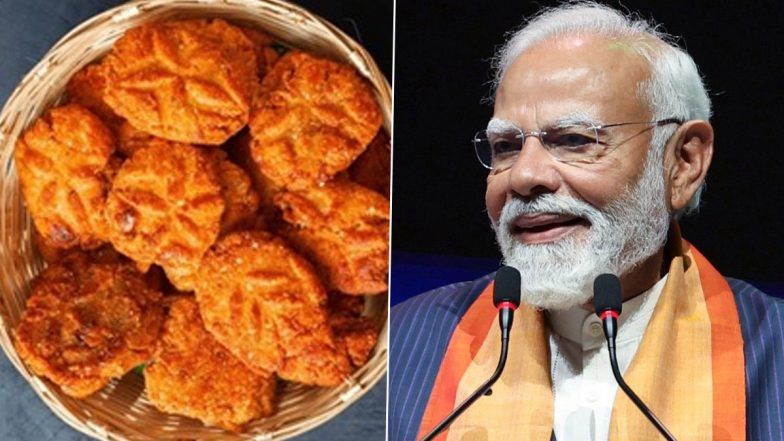
BRATISLAVA — In an unconventional display of culinary diplomacy, Indian Prime Minister Narendra Modi has introduced the deep-rooted cultural heritage of Bihar to Central Europe. During his official bilateral state visit to the Slovak Republic, PM Modi presented Richard Raši, the Speaker of the National Council of the Slovak Republic, with thekua—a traditional, deep-fried Indian sweet snack native to Bihar and Jharkhand.
According to state communiqués released by the Ministry of External Affairs on Monday, June 22, 2026, the diplomatic exchange occurred during high-level bilateral discussions in Bratislava following the conclusion of the G7 Summit. This development carries significant geopolitical weight today as New Delhi actively leverages regional, hyper-local Indian traditions to strengthen strategic ties, elevate domestic MSME manufacturers, and advance its "Vocal for Local" global branding blueprint.
From Chhath Puja to Central Europe: The Journey of Thekua
The presentation of thekua to a European head of parliament represents a historic international debut for a snack historically bound to ancient folk faith. The delicacy is prepared using clean whole wheat flour, pure desi ghee (clarified butter), fennel seeds, and jaggery or sugar, which is then pressed onto wooden embossing molds to create intricate natural designs before being deep-fried.
In a formal statement tracking the bilateral event, the Ministry of External Affairs highlighted that the sweet reflects regional culinary heritage, simple ingredients, and an exceptionally long shelf life, making it highly unique.
The gesture resonated strongly inside India's domestic political corridors. Commenting on the exchange from Patna, Bihar Chief Minister Samrat Choudhary stated that the presentation is a global tribute to Bihar's glorious traditions, cultural richness, and local heritage. Senior officials noted that the recipe dates back centuries, serving as the revered mahaprasad (sacred offering) during the multi-day Chhath Puja festival dedicated to the Sun God.
Blending Gastronomy with Ancient Surgical Science
To complement the regional delicacy, the Prime Minister paired the gastronomic gift with two highly prestigious symbols of India's intellectual history. Speaker Raši was presented with fine, scholastic editions of the Charaka Samhita and the Susruta Samhita.
As verified by administrative briefs archived by the federal Ministry of Ayush, these foundational ancient texts date back over two millennia and form the base of traditional Ayurvedic medicine. The Susruta Samhita is universally recognized by medical historians as one of the earliest comprehensive works covering surgical procedures, internal medicine, and toxicology.
By presenting these texts alongside the sweet snack, the Indian delegation delivered a balanced showcase of India's ancient scientific advancements and its living regional lifestyle traditions.
Broader Diplomatic Context Across the European Tour
The Bratislava exchange formed part of a wider, highly calculated gifting strategy deployed by the Prime Minister across his two-nation European tour, which included stops in France and Slovakia. The diplomatic cache was designed to spotlight unique geographical indication (GI) products and tribal crafts from different corners of India:
Slovak Republic: President Peter Pellegrini received handcrafted Thewa motif cufflinks from Rajasthan and a Himroo silk tie from Aurangabad. Prime Minister Robert Fico was presented with a hand-knotted Kashmiri silk carpet.
French Republic: President Emmanuel Macron was gifted a detailed Kalamkari painting depicting themes from the Mahabharata, while Brigitte Macron received a handwoven Pochampally silk stole from Telangana.
Official Sources Section
The diplomatic gift choices, bilateral meeting itineraries, textual descriptions of the Ayurvedic manuscripts, and official state statements used in this news dispatch are verified by official press briefings published by the Press Information Bureau (PIB) India, data from the Ministry of External Affairs, and regional ministerial reports from the Government of Bihar.
Quote Section
"According to officials, the inclusion of hyper-local regional delicacies in bilateral state gifts is a deliberate strategy to secure an international identity for domestic food artisans," stated trade attaches monitoring the Europe-Asia desks. "Organizers stated that by introducing traditional items like Bihar's thekua to foreign dignitaries, the government effectively transforms local cottage industries into recognizable elements of India’s global soft-power projection."
Why It Matters
This high-profile exchange carries direct practical implications for India's massive rural food processing sector. When a local item like thekua is elevated to a formal state gift, it creates a powerful marketing catalyst for independent confectionery makers and local cooperatives across Bihar and Jharkhand. Commercial export analysts indicate that such global exposure could help local brands scale up production, adopt standardized international packaging, and secure agricultural export corridors to cater to the expanding non-resident Indian (NRI) diaspora across Europe and North America.
Key Facts at a Glance
The Bratislava Exchange: PM Narendra Modi gifted traditional thekua from Bihar to the Slovakian National Council Speaker, Richard Raši, during his state visit.
Ancient Manuscripts: The snack was accompanied by historical copies of the Charaka Samhita and Susruta Samhita, highlighting India’s ancient medical and surgical contributions.
Cultural Symbolism: Thekua holds sacred status across eastern India, serving as the essential offering during the four-day Chhath Puja festival.
Broader Strategy: The tour featured a curated selection of GI-tagged items, including Rajasthani Thewa jewelry, Aurangabad Himroo textiles, and Kashmiri silk carpets.
Economic Goal: The high-level presentation aims to strengthen the "Vocal for Local" initiative, boosting export potential for local food processors.
FAQ Section
What exactly is thekua and how is it traditionally prepared?
Thekua is a crisp, deep-fried Indian sweet snack popular in Bihar, Jharkhand, and eastern Uttar Pradesh. It is prepared using a simple dough of whole wheat flour, jaggery or sugar, ghee, and fennel seeds, which is shaped using wooden molds before frying.
Why did PM Modi choose to gift the Susruta Samhita and Charaka Samhita?
The Susruta Samhita and Charaka Samhita are foundational Sanskrit texts of Ayurveda. Gifting them highlights India's historic scientific breakthroughs in human anatomy, internal medicine, and early surgical practices on the global stage.
Where can I check the official joint statements regarding the India-Slovakia bilateral meets?
The complete text of official agreements, joint statements, and press releases regarding the bilateral meetings can be accessed directly on the Ministry of External Affairs web portal.
Source: Official bilateral press briefs published via the Ministry of External Affairs and industrial heritage archiving registries maintained by the Ministry of Ayush.