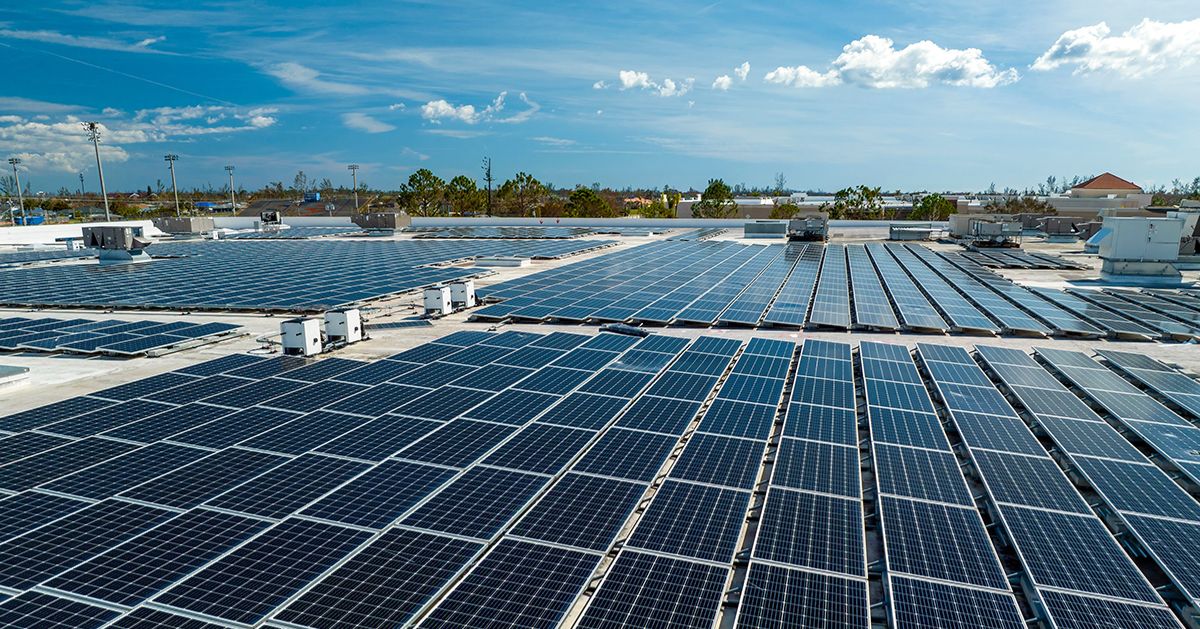
Solar power is revolutionizing the world of energy, and it is one of the most secure and scalable means of fighting climate change. Record-breaking growth, advanced technology, and strong economic impacts make solar power poised to become the world's largest electricity generation source by 2...
Solar power is revolutionizing the world of energy, and it is one of the most secure and scalable means of fighting climate change. Record-breaking growth, advanced technology, and strong economic impacts make solar power poised to become the world's largest electricity generation source by 2035. Its influence is seen in environmental sustainability, energy security, and economic growth.
Global Growth and Capacity Expansion
The solar industry has grown unprecedentedly in recent years. Solar accounted for over 75% of the addition in renewable capacity during 2024, adding 452 GW to take overall solar capacity across the globe to 1,865 GW. Such phenomenal expansion is driven by ambitious climate objectives by countries like China, India, and the US. China remained the leading player, installing 260 GW during 2023, following the support from its ambitious renewable energy policies as per the 14th Five-Year Plan. India, too, is expanding installations, overcoming supply-chain problems to realize its goal of generating 500 GW from alternative sources by the year 2030.
Meanwhile, Europe experienced a record year in 2023 at 61 GW added, up 45% from the prior year. Solar adoption is being spurred by initiatives like REPowerEU and The Green Deal Industrial Plan. In the United States, the Inflation Reduction Act (IRA) is being leveraged to spur solar deployment, reaching a record high of 32 GW of new capacity in 2023.
The International Renewable Energy Agency (IRENA) estimates that solar installations globally will hit 4.7 terawatts by 2050, becoming the leading renewable energy source to surpass wind and hydropower. This is a testament to solar's scalability and flexibility across various regions.
Technological Innovations Driving Efficiency
Technological advancements are the basis for enhanced solar power. Recent developments like silicon-perovskite tandem photovoltaic cells that have achieved a record highest efficiency rate of 28.6% are making installations smaller and cheaper. This development addresses one of the solar power challenges—achieving maximum output with minimal land area.
Energy storage devices are another sector-buster. Capacity in batteries is increasing at a geometric pace to handle the problem of intermittency, enabling sustained energy supply even on cloudless days or at night. By way of illustration, UK's battery capacity itself will be escalating from 2.1 GW to 24 GW by the year 2030.
Also, floating solar farms are gaining as a breakthrough option for regions with low land availability. Singapore and Japan are investing big time in this technology to utilize maximum space while reducing water body evaporation.
Economic Impact and Job Creation
The economic benefits of solar power are far-reaching beyond mere energy generation. Globally, the sector supported over 4.9 million jobs in 2022 and is the biggest-growing segment of renewables. It varies from production, installation, maintenance, R&D to several other sectors.
In developing countries like India and Brazil, solar-related employment opportunities are reviving local economies with the generation of employment in rural areas of the country where other industries are not present. In Europe and North America, investments in solar technology are driving innovation hubs that support high-skilled jobs.
Millions of new jobs will be created worldwide by 2040 as nations raise their renewable energy goals to meet climate goals through pacts like the Paris Accord.
Challenges Ahead
Despite its meteoric rise, solar energy has several challenges that have to be overcome in order for growth to take place in the long term. Regional imbalances persist—albeit Asia hosts nearly two-thirds of world additions in capacity, nations like Central America and sub-Saharan Africa lag behind as they are under-capitalized and insufficiently developed in infrastructure.
Achieving global goals to triple renewable capacity by 2030 requires annual growth rates exceeding 16%, demanding consistent policy support and innovation. Additionally, recycling end-of-life solar panels remains a challenge that needs urgent attention to ensure environmental sustainability.
The Road Ahead
The influence of solar power will only grow as countries adopt ambitious climate targets and technological progress sustains efficiency and cost savings gains. By reducing dependence on fossil fuels and creating economic resilience through innovation and employment, solar power can be a major contributor to building a sustainable future.
As nations look toward decarbonization targets in alignment with policy initiatives like COP28's Global Stocktake plan, the future of solar energy is one of promise—a clean, infinite energy source capable of redefining how we generate electricity and preserving our planet for generations to come.
Source: GreenMatch, IRENA