Iranian and American negotiators have convened in Bürgenstock, Switzerland, to iron out the technical implementation of a newly signed peace memorandum. Despite logistical delays caused by fighting in Lebanon and disputes over the Strait of Hormuz, high-level delegations, flanked by Qatari and Pakistani mediators, are pushing to secure a permanent treaty.
BÜRGENSTOCK, Switzerland — Top diplomats and military negotiators from Iran arrived in Switzerland on June 21, 2026, to initiate critical technical-level talks with the United States aimed at finalizing a permanent peace deal. The high-level meeting at the Bürgenstock mountaintop resort follows the landmark signing of a bilateral Memorandum of Understanding (MoU) on June 17 by U.S. President Donald Trump and Iranian President Masoud Pezeshkian, which established a 60-day window to bring an end to over three months of direct warfare.
The negotiations, originally scheduled to commence on Friday, were briefly thrown into gridlock following a intense wave of retaliatory airstrikes between Israel and Hezbollah in southern Lebanon. Despite the peripheral military friction, the arrival of the principal diplomatic delegations marks the most significant direct diplomatic engagement between Washington and Tehran in years, carrying profound implications for global energy markets and Middle Eastern security architecture.
Technical Elements of the 60-Day Peace Framework
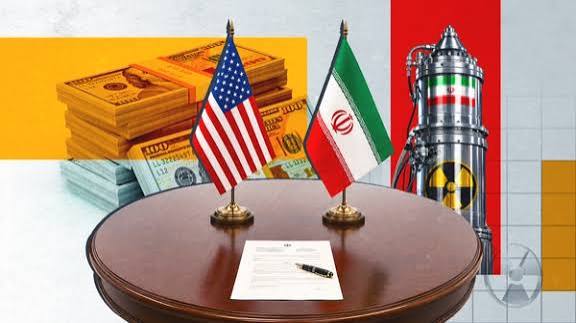
The Swiss-hosted summit focuses on converting the broad principles of the newly signed Islamabad MoU into an enforceable international treaty. The initial terms of the preliminary agreement require Iran to completely dismantle its domestic nuclear enrichment program and surrender all existing nuclear materials. In exchange, the framework outlines billions of dollars in reconstruction funds and the systematic lifting of international banking and energy sanctions that have isolated Tehran's economy.
The American delegation is being led on the ground by White House Special Envoys Steve Witkoff and Jared Kushner, who have spent the last 48 hours managing the technical parameters of the security architecture. U.S. Vice President JD Vance departed for Switzerland late Saturday evening to personally oversee the political finalization of the talks.
The Iranian delegation, arriving via state transport, is headed by parliamentary Speaker Mohammad Bagher Qalibaf and includes Foreign Minister Abbas Araghchi, alongside a specialized cohort of central bank officials and oil ministry executives tasked with mapping out the modalities of asset unfreezing.
Maritime Disputes and Border Security Friction
The opening of the Bürgenstock summit has been complicated by conflicting claims regarding the Strait of Hormuz, a vital chokepoint through which one-fifth of the world’s petroleum transits. On Saturday, Iran’s Revolutionary Guard Corps (IRGC) declared the waterway closed to vessel traffic, citing alleged ceasefire violations by Israeli forces operating in Lebanon.
The United States military immediately rejected Tehran’s claim of an operational blockade. Representatives from U.S. Central Command (CENTCOM) issued a statement verifying that commercial shipping was proceeding normally, with dozens of tankers transiting safely under active naval vigilance.
Concurrently, external mediators have mobilized to preserve the diplomatic track:
Pakistan: Prime Minister Shehbaz Sharif and Field Marshal Syed Asim Munir arrived in Switzerland to provide immediate technical mediation.
Qatar: Qatari diplomatic intermediaries are actively participating to manage communication side-channels between the core factions.
Official Sources Section
According to official notifications released by the Swiss Federal Department of Foreign Affairs (FDFA), the Swiss Federal Council approved a subsidiary army assistance mission and instituted temporary airspace restrictions over the canton of Nidwalden to guarantee maximum security for the international summit. The FDFA confirmed that Switzerland continues to act strictly as a neutral facilitator, providing a confidential and secure environment for the participating sovereign delegations.
Quote Section
"According to officials, Jared and Steve have been on the ground now for a few hours, dealing with some of the technical elements of this negotiation. We'll plan the talks when the principals from the Iranian government, also the Qatari and the Pakistani governments arrive."
Why It Matters
The outcome of the Bürgenstock negotiations directly influences global economic stability. For international businesses and energy consumers, a successful treaty would reintroduce substantial Iranian crude oil into global supply chains, lowering fuel costs and lifting restrictive compliance barriers for maritime transport insurance. Conversely, any failure to solidify the peace deal within the designated 60-day window risks a immediate return to full-scale regional warfare and the potential imposition of unilateral commercial tolls along critical international shipping lanes.
Key Facts at a Glance
Summit Venue: Technical negotiations are underway at the Bürgenstock resort in Nidwalden, Switzerland.
Core Envoys: The U.S. is represented by Steve Witkoff and Jared Kushner, while Foreign Minister Abbas Araghchi leads the Iranian contingent.
Diplomatic Window: The underlying Memorandum of Understanding mandates a strict 60-day timeline to reach a final nuclear and security agreement.
International Mediation: The heads of state and top security officials from Pakistan and Qatar are physically present to mediate the technical parameters.
FAQ Section
Q: What are the primary demands imposed on Iran under the initial MoU? A: The framework requires the complete dismantlement of Iran's nuclear enrichment infrastructure, the removal of all nuclear materials, and a cessation of financial support to regional militant factions.
Q: Is the Strait of Hormuz currently open to commercial shipping? A: While Iranian state media claimed a military closure of the waterway, U.S. Central Command confirmed that international commercial transit remains open, safe, and heavily monitored by naval forces.
Q: Why are Pakistan and Qatar participating in these Swiss peace talks? A: Both nations serve as the primary official mediators who helped broker the initial post-war ceasefire agreement and are providing technical diplomatic oversight during the implementation phase.
Source: Swiss Federal Department of Foreign Affairs (FDFA), U.S. Central Command (CENTCOM)