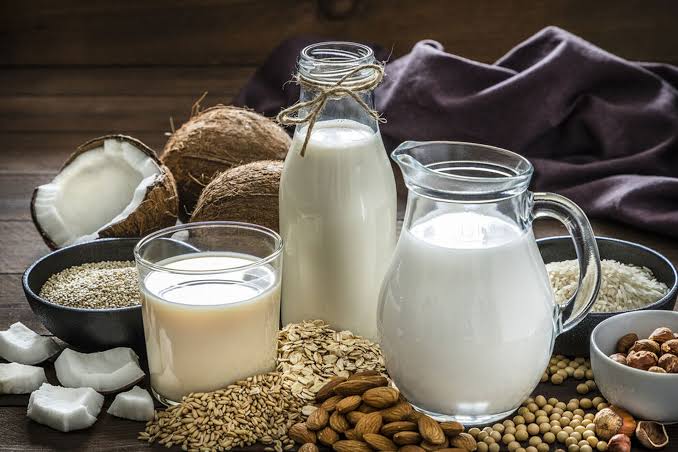
The Ministry of Ayush has introduced standardized clinical guidelines validating Ayurveda's healthy milk alternatives for lactose-intolerant populations. Highlighting precisely formulated almond, coconut, and sesame preparations processed with carminative spices, the framework offers a scientifically backed path to balanced nutrition without the gastrointestinal distress linked to factory-processed non-dairy products.
NEW DELHI — The Ministry of Ayush has formally integrated a series of validated dietary protocols detailing Ayurveda's healthy milk alternatives into its public health advisory network. Announced in July 2026, this standard regulatory framework provides institutional backing for traditional plant-derived liquids designed specifically for citizens and consumers suffering from lactose intolerance and dairy-related digestive distress. As global demand for non-dairy options surges, health authorities are utilizing traditional knowledge bases to resolve modern metabolic deficiencies.
According to statistical briefs released by the Indian Council of Medical Research (ICMR), roughly 60% to 70% of the adult domestic population exhibits some degree of lactose malabsorption. By standardizing these plant-based formulations, medical officers aim to deliver bioavailable nutriments without triggering the inflammatory gastrointestinal responses associated with conventional bovine dairy.
The Ayurvedic Perspective on Digestibility and Ojas
In traditional classical texts, cow’s milk is viewed as an essential food source that enhances ojas (vital energy, immunity, and metabolic essence). However, classical textbooks recognize that improper digestion completely disrupts this cycle, creating ama (toxic metabolic by-products).
When a consumer lacks the necessary metabolic heat, or agni, to break down complex dairy proteins and heavy sugars, standard milk becomes highly pathogenic to the gut. The updated institutional frameworks clarify that Ayurveda's healthy milk alternatives are not merely commercial dairy substitutes; they are distinct functional formulations processed deliberately with carminative herbs and spices to match specific individual metabolic constitutions, known as doshas.
Core Plant Formulations Standardized by Researchers
Clinical investigators working under the Central Council for Research in Ayurvedic Sciences (CCRAS) have validated three primary plant-based preparations that safely duplicate the nourishing qualities of traditional milk while remaining entirely lactose-free.
1. Spiced Almond Liquid (Badam Ksheer)
Almonds are classified in classical pharmacology as fundamentally nourishing and balancing to the nervous system. To create a chemically stable, highly digestible alternative, clinicians emphasize a strict processing sequence:
De-skinning: Whole almonds must be soaked for a minimum of twelve hours to initiate germination and completely remove the outer skin, which contains enzyme-inhibiting tannins.
Spice Infusion: The bare nuts are blended with pure water and subsequently simmered alongside specific warming spices, including cardamom, dry ginger, and saffron. This thermal alteration lowers the structural density of the plant fats, making the liquid easily digestible for individuals with compromised gut health.
2. Aqueous Coconut Extract (Narikela Ksheer)
Derived from the mature white kernel of the coconut, this extract is heavily utilized by practitioners to pacify metabolic heat and systemic inflammation. Because raw coconut fat can be heavy to assimilate, the approved advisory recommends diluting the raw press with warm water and infusing small quantities of black pepper or long pepper (pippali) to prevent the accumulation of cold or damp qualities in the respiratory and digestive tracts.
3. Toasted Sesame Emulsion (Tila Ksheer)
Formulated specifically for individuals experiencing joint dryness or bone density issues, this preparation leverages the high elemental calcium and magnesium content inherent to sesame seeds. The seeds are lightly toasted to reduce their natural astringency, ground into a smooth paste, and emulsified with warm water and natural unrefined jaggery.
Impact on Consumers and the Wellness Industry
The integration of these institutional guidelines provides direct benefits to multiple sectors of the consumer market:
Lactose-Intolerant Consumers: Devotees and health-conscious citizens can maintain their daily dietary routines and spiritual rituals without suffering from bloating, cramps, or systemic inflammation.
The Preventive Healthcare Sector: Primary care physicians can prescribe documented, non-dairy nutritional alternatives that align safely with traditional wellness principles.
The Organic Food & Beverage Industry: Certified manufacturers are utilizing these precise, open-source spice ratios to develop clean-label, shelf-stable commercial alternatives free from synthetic thickeners, chemical preservatives, or emulsifiers like carrageenan.
Official Sources Section
The clinical guidelines, biochemical assertions, and demographic data compiled within this news report are derived from public health advisories issued by the Ministry of Ayush, scientific research updates from the Central Council for Research in Ayurvedic Sciences (CCRAS), and baseline epidemiological data managed by the Indian Council of Medical Research.
Quote Section
"According to officials from the Ministry of Ayush, classical plant-based emulsions provide a highly bioavailable matrix of vitamins and minerals. These traditional preparations bypass the specific enzyme deficiencies that cause widespread lactose intolerance, ensuring that individuals can completely sustain their nutritional requirements without compromising their long-term gastrointestinal health."
Why It Matters
The formal standardization of Ayurveda's healthy milk alternatives bridges the gap between ancient preventative lifestyle choices and contemporary immunological realities. For millions of dairy-sensitive individuals, this framework changes these beverages from trendy, processed supermarket alternatives into highly structured, therapeutic dietary tools. By introducing thermal processing and specific botanical carminatives, the strategy mitigates the common bloating and gas frequently caused by raw, factory-processed commercial nut milks.
Key Facts at a Glance
Widespread Need: Institutional data indicates that over 60% of adults across the Indian subcontinent experience varying degrees of lactose malabsorption.
Validated Formulations: The baseline framework officially recognizes specialized formulations of almond, coconut, and sesame extracts as valid functional substitutes.
Detoxification Requirement: Traditional guidelines require the complete removal of almond skins to eliminate digestion-inhibiting plant tannins before consumption.
Therapeutic Spice Enhancement: All approved non-dairy formulations must be heated and infused with warming spices to maximize absorption and prevent toxic metabolic accumulation.
FAQ Section
How do Ayurveda's healthy milk alternatives differ from standard store-bought nut milks?
Commercial plant milks are frequently processed raw, served ice-cold, and combined with synthetic stabilizers or gums that irritate the intestinal lining. The traditional alternatives require specific thermal processing, the removal of toxic outer skins, and mandatory blending with warming spices to maximize bioavailability and ease digestion.
Is almond milk suitable for all metabolic body types according to these guidelines?
Yes, provided it is prepared correctly. De-skinned and cooked almond milk infused with cardamom and ginger is highly balanced, making it gentle enough for most digestive systems, particularly those prone to dryness or excess gas.
Can these plant-based formulations completely replace cow's milk for calcium intake?
The sesame seed formulation (Tila Ksheer) is exceptionally rich in naturally occurring calcium and magnesium, making it an excellent alternative for sustaining bone health in individuals who cannot tolerate dairy-derived minerals.
Source: Official dietary guidelines database maintained by the Ministry of Ayush; clinical research publications from the Central Council for Research in Ayurvedic Sciences; clinical population statistics from the Indian Council of Medical Research.