





The Ministry of Ayush has approved 108 laboratories for quality testing of Ayurvedic, Siddha, and Unani (ASU) drugs. The initiative aims to strengthen regulatory oversight, ensure safety and efficacy, and enhance public trust in traditional medicine systems. Additional support has been extended to state labs and research institutions.
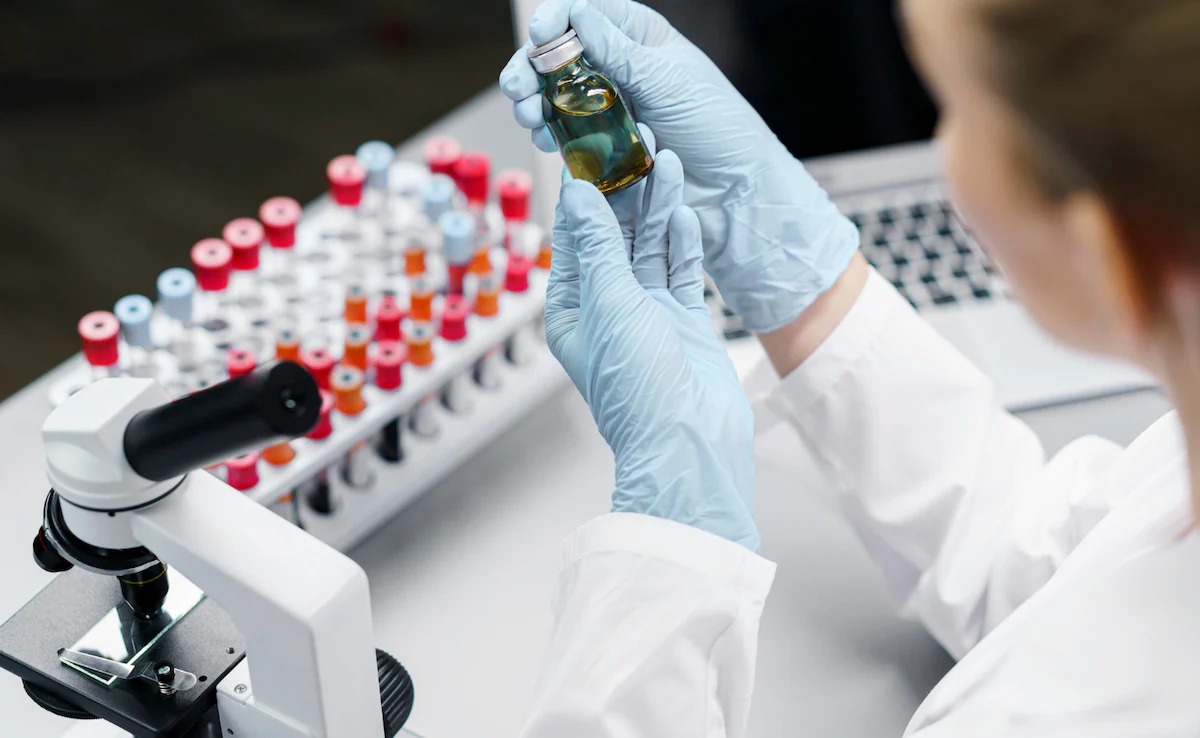
India has taken a significant step toward strengthening the credibility and safety of its traditional medicine systems. Ayush Minister Prataprao Jadhav announced that 108 laboratories have been approved for quality testing of Ayurvedic, Siddha, and Unani drugs under the provisions of the Drugs Rules, 1945. The move is part of a broader effort to ensure that traditional medicines meet rigorous standards of purity, identity, and strength.
Key highlights from the announcement include
-
A total of 108 laboratories have been approved for testing Ayurvedic, Siddha, and Unani drugs.
-
These labs are licensed under the Drugs Rules, 1945, ensuring compliance with national regulatory standards.
-
34 State Drug Testing Laboratories have received support to strengthen infrastructure and functional capacity.
-
Three Regional Research Institutions of the Central Council for Research in Ayurveda Sciences have been approved under Rule 160E of the Drugs Rules.
-
The Pharmacovigilance Programme for ASU and Homoeopathy drugs has been implemented under the Ayush Oushadhi Gunavatta Evam Uttpadan Samvardhan Yojana (AOGUSY).
-
This programme operates through a three-tier network including a National Pharmacovigilance Centre, five intermediary centres, and 97 peripheral centres.
-
The initiative aims to monitor adverse drug reactions and ensure consumer safety.
The government emphasized that the move will enhance global confidence in India’s traditional medicine exports.
Experts believe the approval of these labs will help integrate traditional medicine into mainstream healthcare with greater credibility.
The initiative aligns with India’s vision of promoting Ayush systems globally while ensuring quality assurance domestically.
The approval of 108 labs marks a milestone in India’s efforts to regulate and modernize traditional medicine. By combining pharmacovigilance with strict quality testing, the government is working to safeguard consumer health while promoting Ayurveda, Siddha, and Unani systems as reliable healthcare options.
As demand for traditional medicine grows both in India and internationally, the establishment of robust testing infrastructure will play a crucial role in ensuring safety, efficacy, and sustainability of these ancient practices.
Sources: Sambad English, Morung Express, NDTV, Press Information Bureau