




Former Goa governor Satya Pal Malik has revealed that he advised the Sabarimala temple Thantri to close the shrine during the 2018 women’s entry controversy. His statement reignites debate over the Supreme Court ruling that allowed women of all ages entry, highlighting tensions between tradition, law, and religious autonomy.
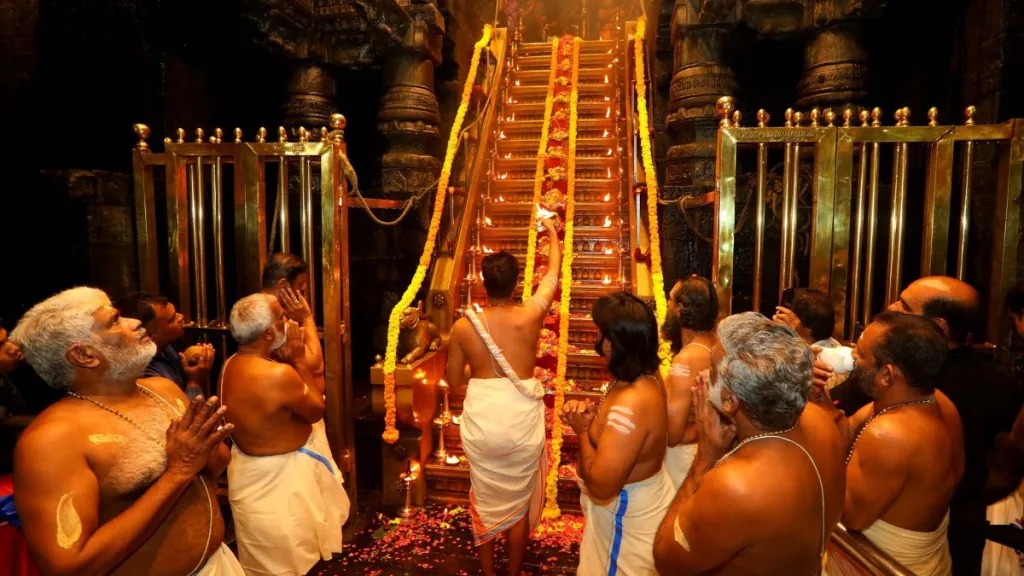
Former Goa governor Satya Pal Malik has disclosed that he advised the Sabarimala temple Thantri to shut the shrine during the 2018 row over women’s entry. The revelation comes years after the Supreme Court’s landmark ruling that permitted women of all ages to enter the temple, sparking nationwide protests and legal challenges.
Key Highlights
-
Satya Pal Malik stated he advised the Thantri to close the temple during the peak of the 2018 controversy
-
The Supreme Court ruling in 2018 allowed women of all ages entry into Sabarimala, overturning centuries-old traditions
-
Mass protests erupted across Kerala, with devotees and political groups opposing the verdict
-
Malik’s comments reignite debate over the balance between religious customs and constitutional rights
-
The issue remains pending before a larger bench of the Supreme Court for final adjudication
Strategic Impact
Malik’s disclosure adds a new dimension to the Sabarimala debate, reflecting the complexities of managing religious traditions amid judicial interventions. His advice to close the temple underscores the intensity of the crisis at the time, when law enforcement struggled to maintain order and devotees resisted change.
The controversy continues to be a flashpoint in discussions on gender equality, religious freedom, and constitutional law. With the matter still under judicial review, Malik’s remarks highlight the enduring sensitivity of the issue and the challenges of reconciling faith with modern legal frameworks.
Sources: Indian Express, Hindustan Times, The Hindu, Times of India