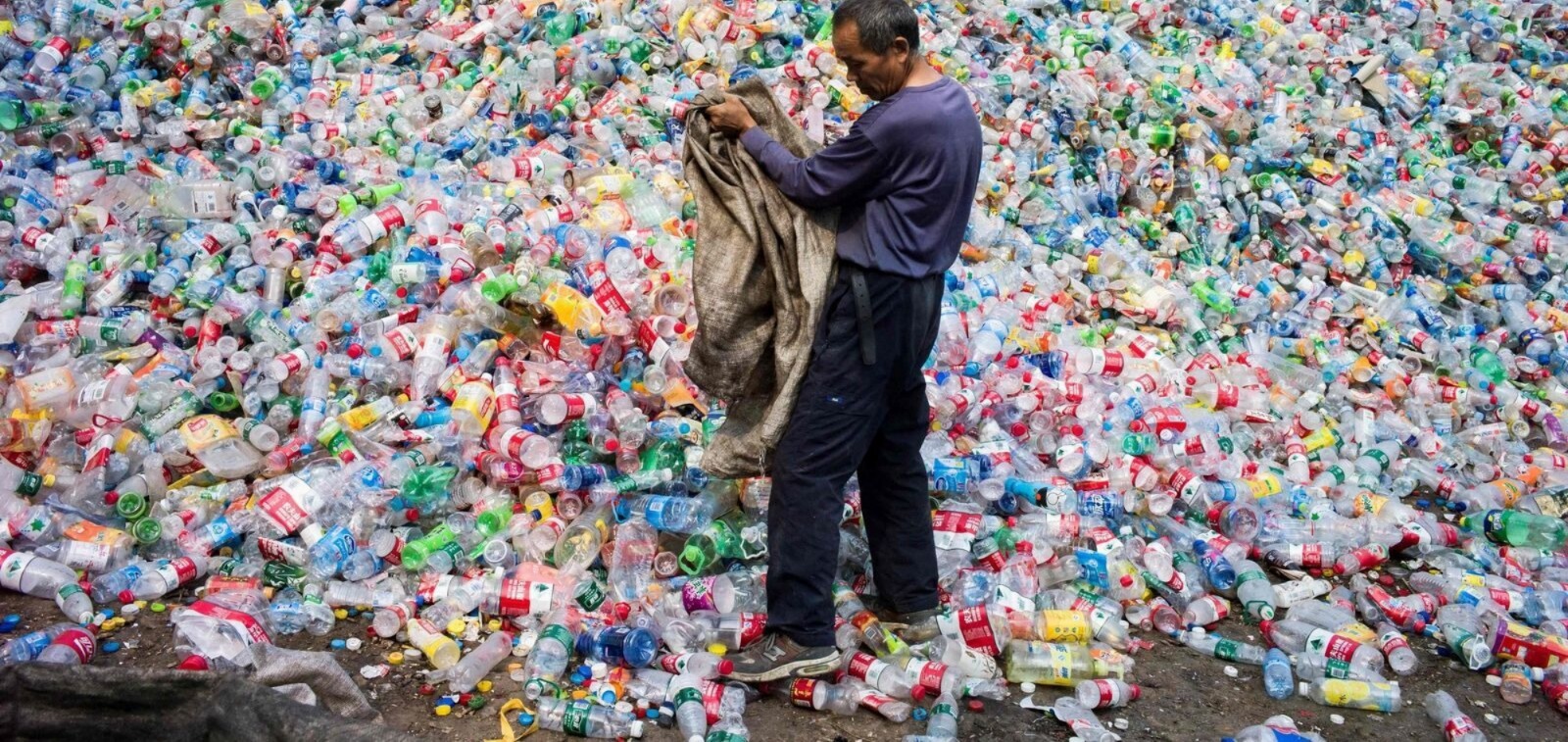





India’s ambitious ₹10,000 crore investment in recycled plastic manufacturing has hit a policy roadblock. Regulatory uncertainties, lack of uniform standards, and compliance challenges are slowing progress, raising concerns about the country’s ability to meet sustainability goals and reduce plastic waste effectively.
India’s recycled plastic industry, projected to attract investments worth ₹10,000 crore, is facing significant policy challenges. While the government has emphasized sustainability and circular economy initiatives, the absence of clear guidelines and uniform standards is creating confusion among manufacturers and investors.
Industry leaders argue that inconsistent regulations across states, coupled with delays in approvals, are discouraging large-scale adoption of recycled plastic. Compliance issues, particularly around food-grade packaging and safety certifications, remain unresolved. This has led to uncertainty for businesses planning to expand operations or invest in advanced recycling technologies.
Experts highlight that India’s recycling potential is vast, with growing demand from packaging, construction, and automotive sectors. However, without streamlined policies, the industry risks losing momentum. Stakeholders are urging the government to establish a national framework that ensures clarity, encourages innovation, and supports sustainable growth.
Key Highlights
-
India’s recycled plastic industry faces policy hurdles
-
₹10,000 crore investment slowed by regulatory uncertainty
-
Lack of uniform standards across states creates confusion
-
Compliance challenges in food-grade packaging remain unresolved
-
Industry calls for national framework to boost recycling initiatives
Sources: Economic Times, Mint, Business Standard