



An Australian influencer, Liam Richards, claimed that Louis Vuitton’s iconic monogram flower resembles motifs carved at the 12th-century Chennakeshava Temple in Belur, Karnataka. While the brand officially credits Art Nouveau, Japonism, and Gothic heraldic art as inspirations, the viral comparison has sparked debate on cultural influences in luxury design.
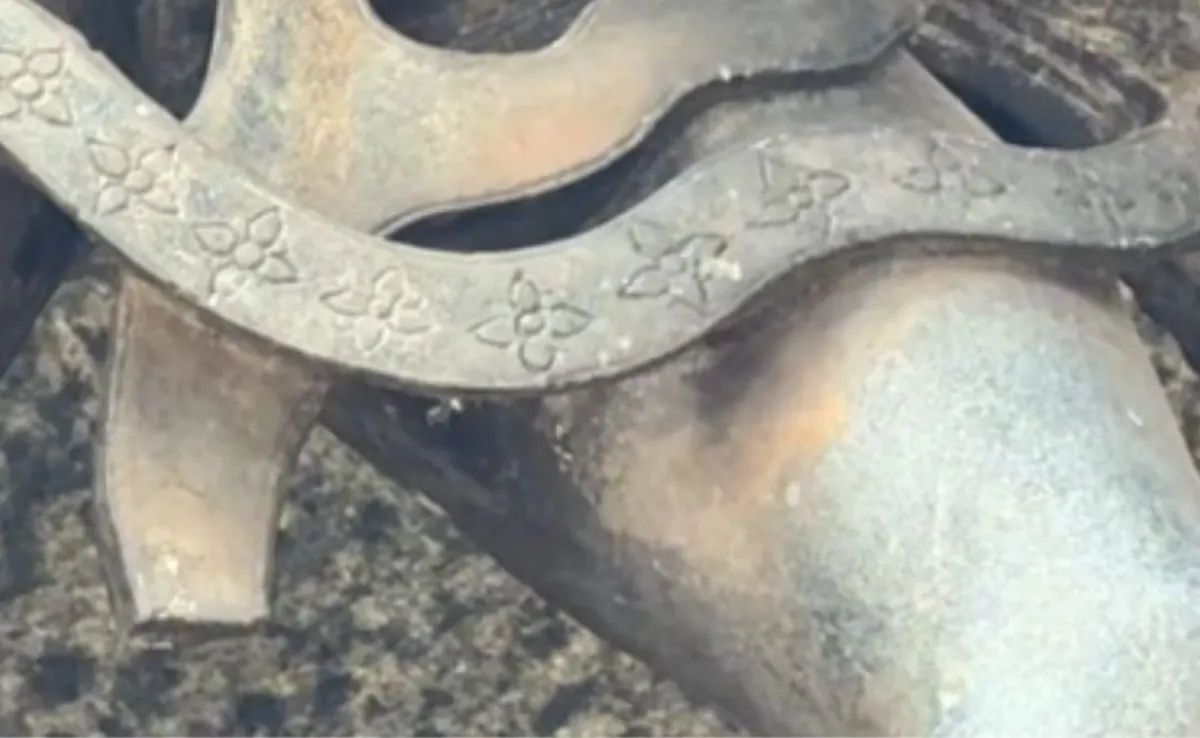
On February 22–23, 2026, a viral video by Australian influencer Liam Richards drew attention to striking similarities between Louis Vuitton’s four-petal monogram flower and stone carvings at the Chennakeshava Temple in Karnataka. Richards suggested that the luxury brand may have drawn inspiration from Indian temple art, calling the resemblance “insane.”
However, Louis Vuitton’s official history states that the motif was created over 130 years ago by Georges Vuitton, inspired by Art Nouveau, Japonism, and Gothic heraldic art. The brand has not acknowledged any Indian connection.
The debate has sparked conversations about cultural appropriation, global design influences, and India’s artistic heritage, with many noting how ancient temple art continues to resonate in modern aesthetics.
Major Takeaways
-
Australian influencer Liam Richards linked LV’s monogram flower to Karnataka’s Chennakeshava Temple carvings
-
Temple dates back to the 12th century, featuring intricate floral motifs
-
Louis Vuitton officially credits Art Nouveau, Japonism, and Gothic heraldic art as inspirations
-
The monogram was designed by Georges Vuitton in the late 19th century
-
Viral claim reignited discussions on cultural appropriation and global design heritage
-
Highlights India’s enduring artistic influence on contemporary aesthetics
Conclusion
While Louis Vuitton maintains its monogram flower’s origins in European art movements, the viral comparison with Karnataka temple motifs has opened a wider dialogue on how ancient Indian artistry continues to inspire global design. The debate underscores the importance of recognizing cultural heritage in modern fashion narratives.
Sources: Buzz (Krati Purwar), News18, South China Morning Post