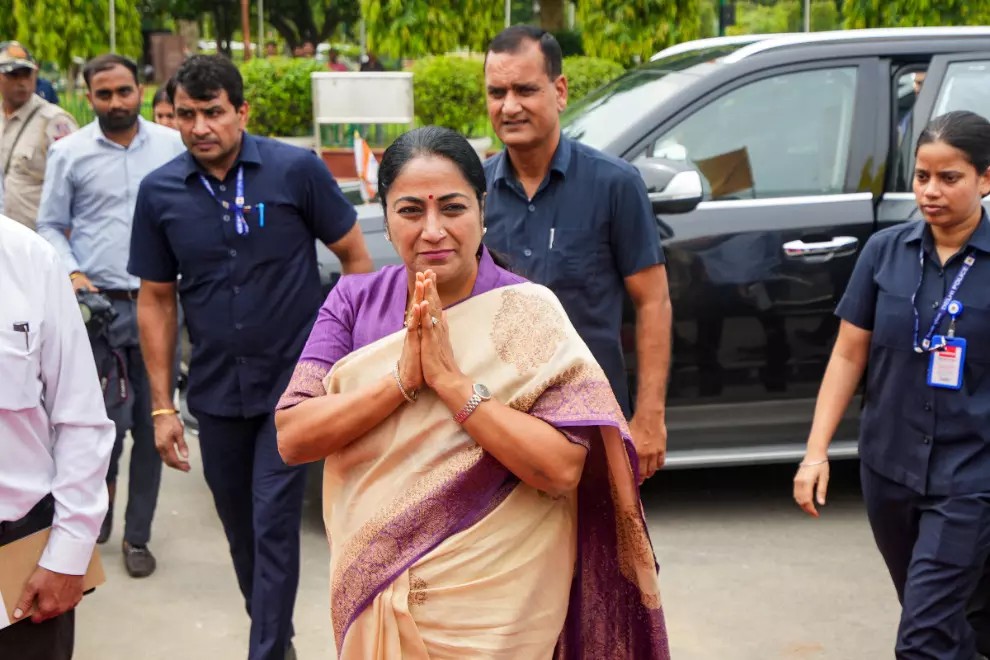







Delhi Chief Minister Rekha Gupta launched water and sewage projects worth over ₹2,100 crore on February 18, 2026, at Todapur. Key upgrades include expanded STPs at Nilothi-1 and Pappankalan, Chandrawal WTP enhancements, and new sewer connections. Aimed at ending shortages, Yamuna pollution, and waterlogging, these bolster Delhi's sustainable water infrastructure for millions.
Delhi Chief Minister Rekha Gupta has inaugurated transformative water and sewage projects worth over ₹2,100 crore, targeting chronic shortages and Yamuna pollution. These initiatives promise enhanced supply, expanded treatment capacity, and sustainable urban water security for millions, marking a pivotal step in Delhi's infrastructure overhaul.
Key Project Highlights
-
Nilothi-1 STP capacity boosted from 40 MGD to 60 MGD at ₹373.21 crore, ensuring robust sewage processing.
-
Pappankalan Phase-I STP upgraded from 20 MGD to 30 MGD, curbing untreated discharge into Yamuna River.
-
Chandrawal WTP Area Package 3 water supply revamp costing ₹990 crore to deliver reliable drinking water.
-
Chandrawal WTP Area Package 4 enhancement at ₹268.41 crore, strengthening pipeline networks against leaks.
-
Household sewer connections in Begumpur linked to Rohini STP for ₹58 crore, resolving long-standing drainage woes.
-
Molarband STP capacity increased by 0.67 MGD with ₹14.71 crore investment for localized efficiency.
Event Details
On February 18, 2026, at Todapur, Rekha Gupta launched these Delhi Jal Board initiatives amid cheers from locals and dignitaries including MP Bansuri Swaraj and Water Minister Prahlad Singh Sahni. She emphasized permanent solutions for areas plagued by water scarcity and sewer issues for decades, aligning with Viksit Delhi vision under PM Narendra Modi's leadership. Enhanced systems will prevent Yamuna contamination, boost 24/7 clean water access, and modernize infrastructure for equitable distribution across east and west Delhi neighborhoods.
Impact on Delhi Water Crisis
These projects form part of broader ₹9,000 crore water plans, including smart meters and leakage-proof pipelines, to eliminate summer shortages and monsoon waterlogging. Gupta directed officials for timely, high-quality execution, prioritizing citizen benefits in water-stressed zones like Rohini and Chandrawal. Long-term gains include healthier rivers, reduced wastage, and urban resilience, positioning Delhi as a model for sustainable water management in India's megacities.
Sources: Millennium Post, News18 Hindi, India TV, and Delhi Jal Board announcements