
Citizens across Delhi-NCR have submitted reform proposals to the Commission for Air Quality Management (CAQM). Their demands include removing the AQI cap of 500, introducing health-based alerts, monitoring volatile organic compounds, and replacing outdated vehicle emission checks with sensor-based systems to improve transparency and public health outcomes.
Public Recommendations
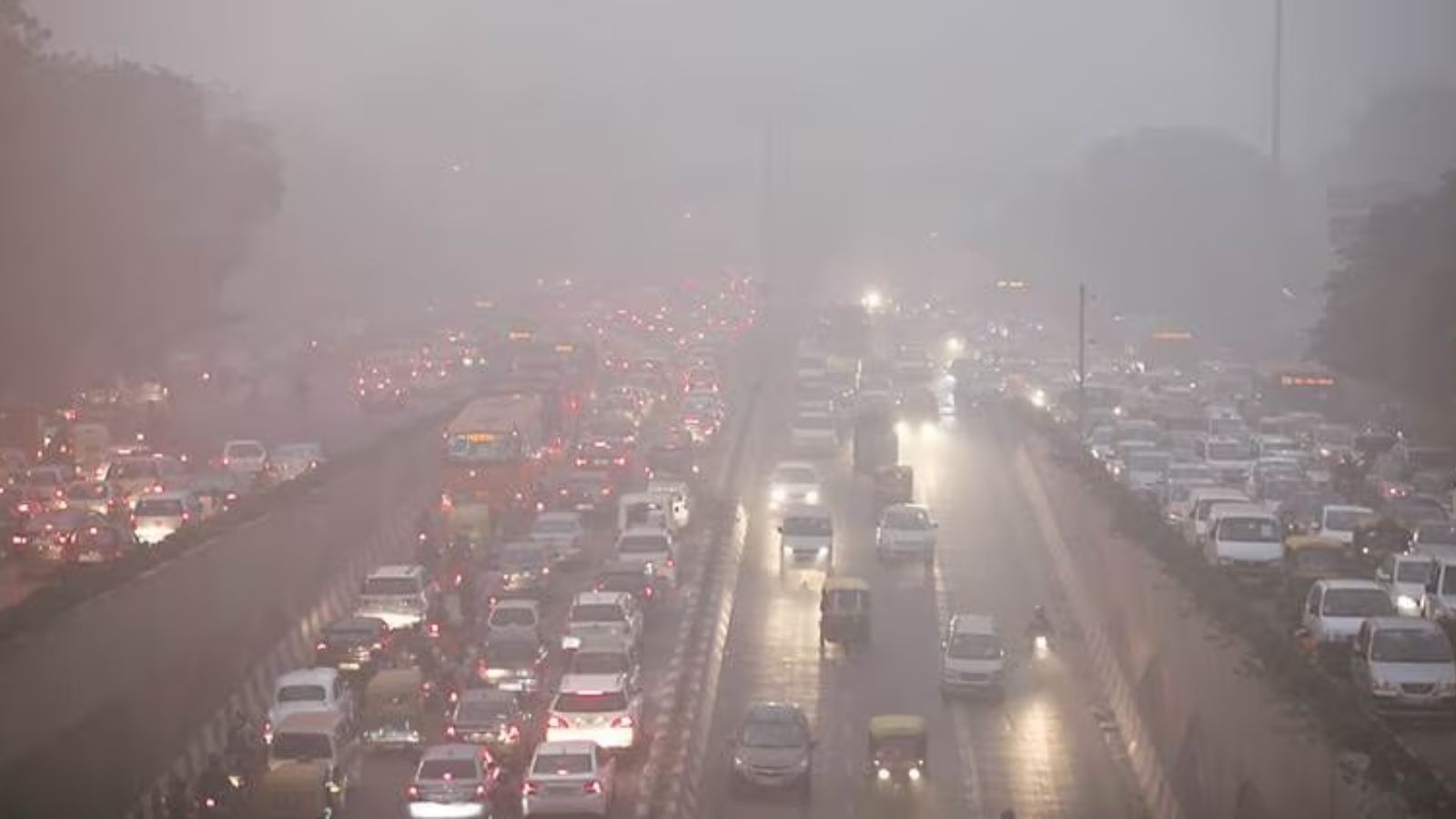
Residents and activists argue that capping AQI at 500 masks the true severity of pollution. They want health-centric alerts that directly inform citizens about risks, along with real-time disclosure of emissions data from industries and waste-to-energy plants.
Focus On Practical Measures
Suggestions include congestion pricing, free public transport on high-pollution days, and dashboards to track National Clean Air Programme (NCAP) funds. These measures aim to reduce emissions while ensuring accountability in air quality management.
CAQM’s Response
The commission has acknowledged the submissions and confirmed that they will be reviewed for implementation. A new emission inventory and source apportionment study is planned, with 2026 as the base year, to better identify pollution sources in Delhi-NCR.
Key Highlights
-
Public demands removal of AQI cap at 500
-
Health-based pollution alerts proposed
-
Sensor-based vehicle emission monitoring suggested
-
Calls for real-time industry emissions data
-
Congestion pricing and free transit on bad air days
Conclusion
The public’s push for reforms reflects growing frustration with Delhi-NCR’s worsening air quality. By demanding transparency, stronger monitoring, and health-focused measures, citizens are urging systemic changes that could reshape how pollution is managed in the region.
Sources: Hindustan Times, Times of India, CAQM Reports