






The US Supreme Court ruled President Trump's IEEPA tariffs illegal on February 20, 2026, in a 6-3 decision. US Customs halts collection from February 24, deactivating codes amid refund uncertainties for $175B collected. Trump swiftly pivots to 15% global duties under Section 122 for 150 days, shaking markets and trade partners.
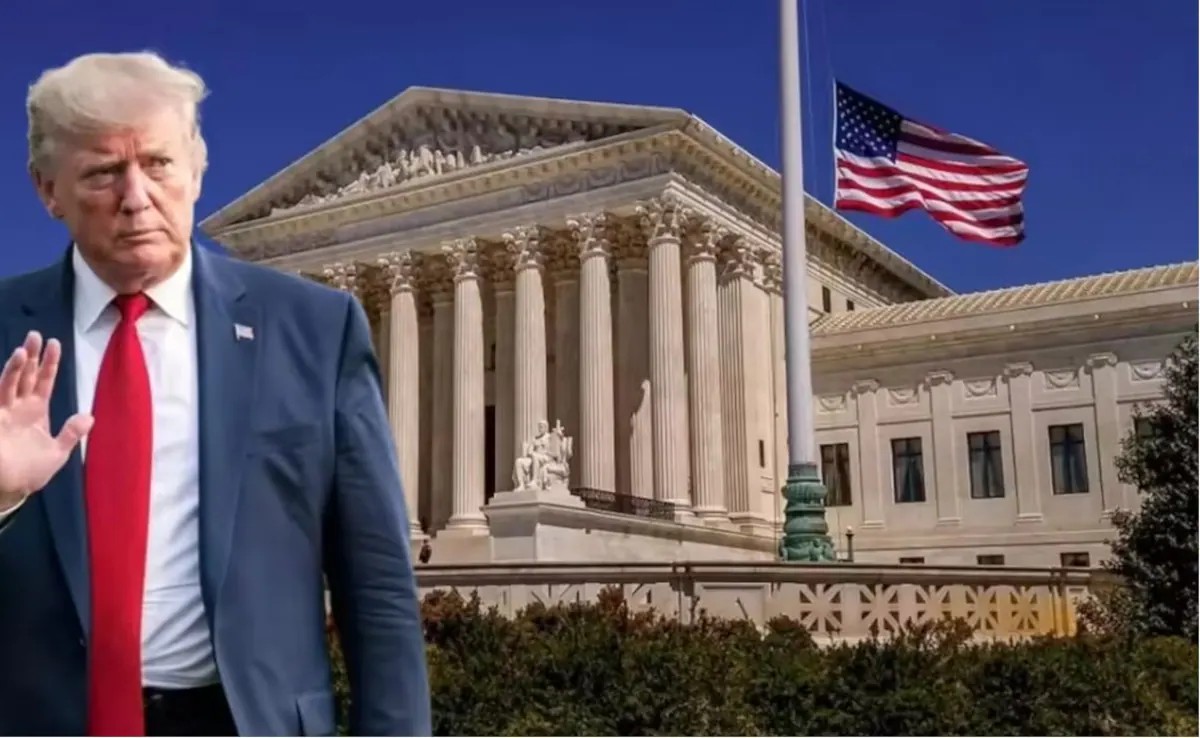
The US Supreme Court ruled President Donald Trump's sweeping tariffs under the International Emergency Economic Powers Act (IEEPA) illegal on February 20, 2026, in a 6-3 decision authored by Chief Justice John Roberts. US Customs and Border Protection (CBP) will stop collecting these duties from February 24 at 12:01 a.m. EST, deactivating related tariff codes. Trump responded with a new 15% global tariff under Section 122 of the Trade Act, limited to 150 days, sparking market volatility and refund debates.
Court Ruling Details
Chief Justice John Roberts wrote that IEEPA does not authorize unlimited tariffs, rejecting Trump's claim of broad presidential power for commerce regulation. The conservative-leaning court delivered a major blow to Trump's trade agenda, which generated over $175 billion in revenue. This marks the first significant Supreme Court setback for the administration on economic policy.
Key highlights from the decision
-
6-3 majority affirmed lower courts, stating Congress must clearly grant tariff powers
-
No immediate guidance on $130+ billion already collected, leaving refunds uncertain
-
Dissenters argued for presidential flexibility in emergencies
Implementation Timeline
CBP announced via Cargo Systems Messaging Service that IEEPA-linked tariffs end February 24, after days of continued collection post-ruling. The halt aligns with Trump's new measures but offers no refund details yet. Importers may seek reimbursements through the Court of International Trade within two years.
Critical timeline points
-
February 20: Supreme Court ruling issued
-
February 24: CBP deactivates IEEPA codes at midnight EST
-
New tariffs active same day under alternative authority
Trump's Quick Pivot
Trump labeled the justices "fools," imposing a temporary 15% ad valorem duty on imports via Section 122, capping at 15% for 150 days without congressional approval needed initially. Exemptions cover pharmaceuticals, some agriculture, and electronics. Critics warn of legal challenges ahead.
Major policy shifts
-
Replaces invalidated IEEPA tariffs generating $500 million daily
-
Section 122 unused historically, designed for short-term balance-of-payments issues
-
Potential for Section 232 steel/aluminum duties to persist
Market And Global Impact
The dollar fell 0.4%, gold rose as investors eyed uncertainty; businesses hail relief but brace for new costs. Global partners like China face ongoing pressure amid US trade truce questions. Democrats and industries celebrate the check on executive overreach.
Sources: CNN, Reuters, The Guardian, WSJ, CBP via Reuters