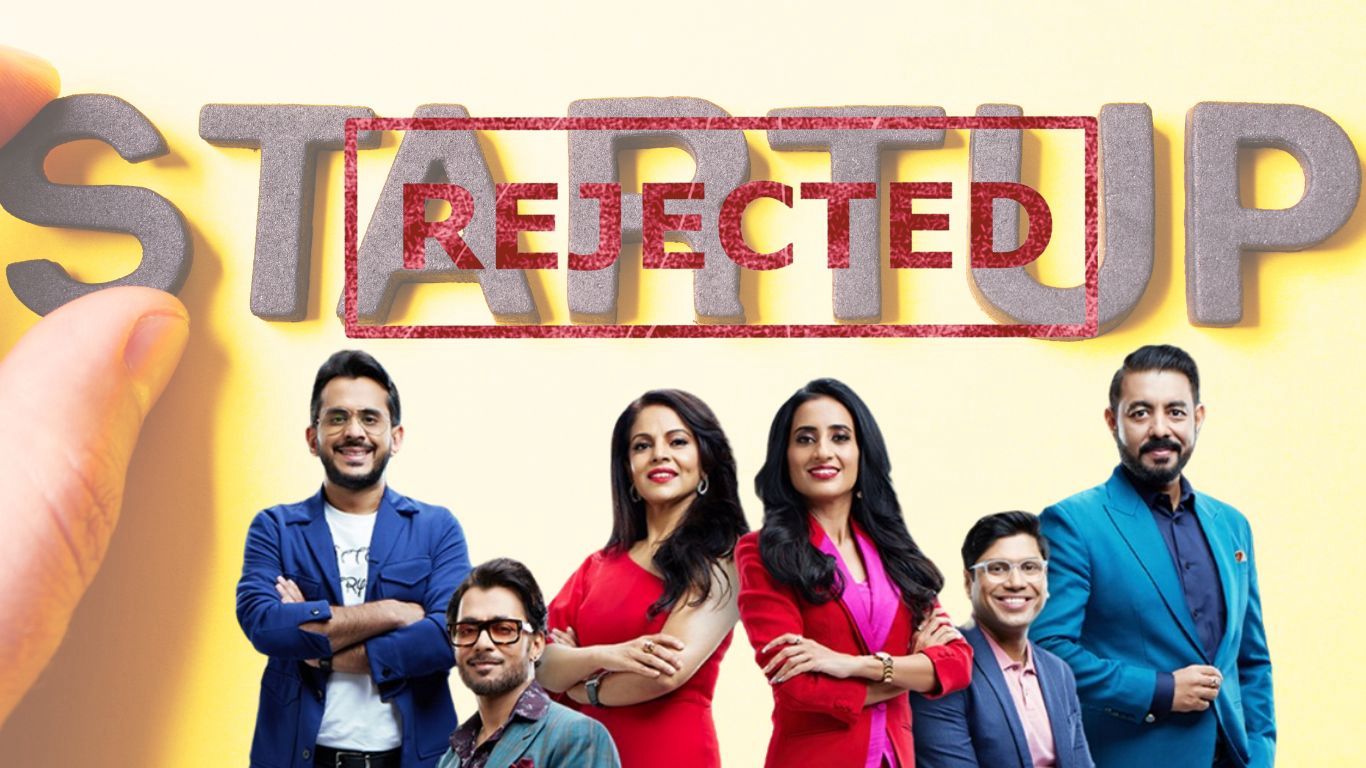


While many startups dream of securing funding on Shark Tank India, several rejected pitches have gone on to thrive independently. From Moonshine Meadery to Aretto Footwear, these brands have built strong customer bases, attracted outside investors, and scaled operations, proving that rejection doesn’t define entrepreneurial success in India’s booming startup ecosystem.
The Indian startup scene has witnessed remarkable resilience, with several brands rejected on Shark Tank India later achieving significant success. Despite missing out on deals with the “sharks,” these ventures leveraged innovation, consumer trust, and external funding to carve out strong market positions.
Examples include Moonshine Meadery, India’s first meadery valued at ₹160 crore, and Aretto Footwear, which revolutionized children’s shoes with patented technology. Other notable names like Nabhi Sutra (Ayurvedic belly oils), Bummer (premium innerwear), and Skippi Ice Pops have expanded rapidly post-show, securing funding from alternative investors and scaling nationwide.
Industry experts note that Shark Tank exposure itself provides invaluable visibility, often translating into customer growth and investor interest even without a deal.
Major Takeaways
-
Moonshine Meadery: India’s first meadery, now valued at ₹160 crore
-
Aretto Footwear: Patented children’s footwear technology gaining traction
-
Nabhi Sutra: Ayurvedic belly oils with growing wellness market appeal
-
Bummer: Premium innerwear brand scaling through D2C channels
-
Skippi Ice Pops: Expanded nationwide after Shark Tank exposure
Rejection on Shark Tank often leads to visibility and alternative funding
These startups highlight resilience and India’s thriving entrepreneurial ecosystem
Conclusion
The journey of these top 10 rejected Shark Tank India brands underscores that visibility, innovation, and persistence can outweigh initial setbacks. Their success stories prove that rejection is not the end but often the beginning of entrepreneurial breakthroughs in India’s dynamic startup landscape.
Sources: Indian People Times, Startup Authority, Business Standard