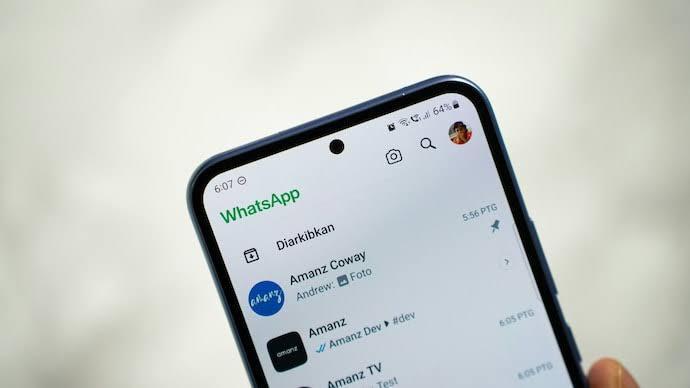




India is considering mandatory SIM-binding for WhatsApp and other messaging apps to curb fraud, requiring continuous linkage to an active SIM. A recent survey indicates nearly half of users find the proposal inconvenient, citing disruption to multi-device use and privacy concerns. Rollout timelines and compliance requirements are being discussed with industry bodies
What’s being proposed and why it matters
India’s Department of Telecommunications is exploring rules that would require messaging apps like WhatsApp, Telegram, and Signal to work only when the device contains the same active SIM used at registration, aimed at reducing impersonation and online fraud
Notable updates
• Policy direction: Active SIM linkage (“SIM-binding”) for app access is under consideration to address cybersecurity and fraud risks
• Web usage changes: Periodic auto-logouts and re-authentication via QR could be mandated for web clients, enhancing session security
• Compliance window: Platforms may be given around 90–120 days to implement and report compliance once rules are finalized
Major takeaways
• User sentiment: A survey shows about half of users view continuous SIM-binding as inconvenient, particularly for multi-device workflows and travel scenarios India Today.
• Industry viewpoints: Telecom bodies broadly support fraud prevention, while some digital industry groups flag feasibility and privacy trade-offs The Times of....
• Practical impacts: App access may stop if the original registration SIM is removed or inactive, affecting dual-SIM, eSIM changes, and device switching Times Now.
Important points
• Security rationale: Officials argue SIM-binding can limit anonymous misuse and reduce scam operations exploiting dormant numbers NDTV +1.
• Privacy debates: Mandatory device checks and pre-installed tools raise concerns about oversight and data handling practices Onmanorama.
• What to expect next: Clarifications on exemptions, business accounts, and cross-device sync are likely before any nationwide enforcement The Times of....
Sources: India Today, NDTV, Times of India, Times Now, The Hans India, Onmanorama