




A heated exchange in the Lok Sabha unfolded after BJP MP Anurag Thakur alleged that a Trinamool Congress (TMC) MP was using an e-cigarette inside the House. With e-cigarettes banned in India since 2019, the incident has triggered a nationwide debate on health hazards, legality, and parliamentary conduct, prompting Speaker Om Birla’s intervention.
E-Cigarettes Explained: Why Their Harmful Use in Parliament Has Sparked a National Debate
The Winter Session of Parliament turned contentious when BJP MP Anurag Thakur accused a TMC member of vaping inside the Lok Sabha. Speaker Om Birla clarified that no such permission exists and assured strict action if a formal complaint is filed. The controversy has reignited public discourse on e-cigarettes, their dangers, and India’s ban.
Notable Updates
• Incident in Lok Sabha: Allegation of a TMC MP using e-cigarette during Question Hour.
• Speaker’s Response: Om Birla emphasized rules, warning of strict action if a written complaint is submitted.
• Legal Context: India banned e-cigarettes in 2019 due to health concerns and youth addiction risks.
Major Takeaways
• Health Risks: E-cigarettes deliver nicotine through vapor, linked to lung damage, heart disease, and addiction.
• Public Debate: The incident has sparked renewed calls for awareness and stricter enforcement of the ban.
• Political Angle: BJP MPs demanded accountability, framing the act as both a legal and ethical violation.
Important Points
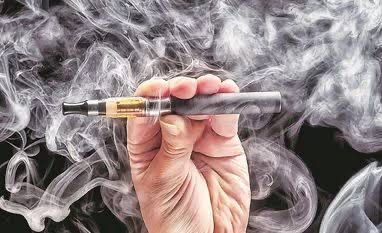
• E-cigarettes are battery-powered devices that vaporize liquid containing nicotine and chemicals.
• Despite being marketed as “safer alternatives,” studies show they pose serious long-term health risks.
• The controversy highlights the need for stronger public health messaging and adherence to parliamentary decorum.
Sources: News18, India TV News, Mathrubhumi, India Today, ETV Bharat