

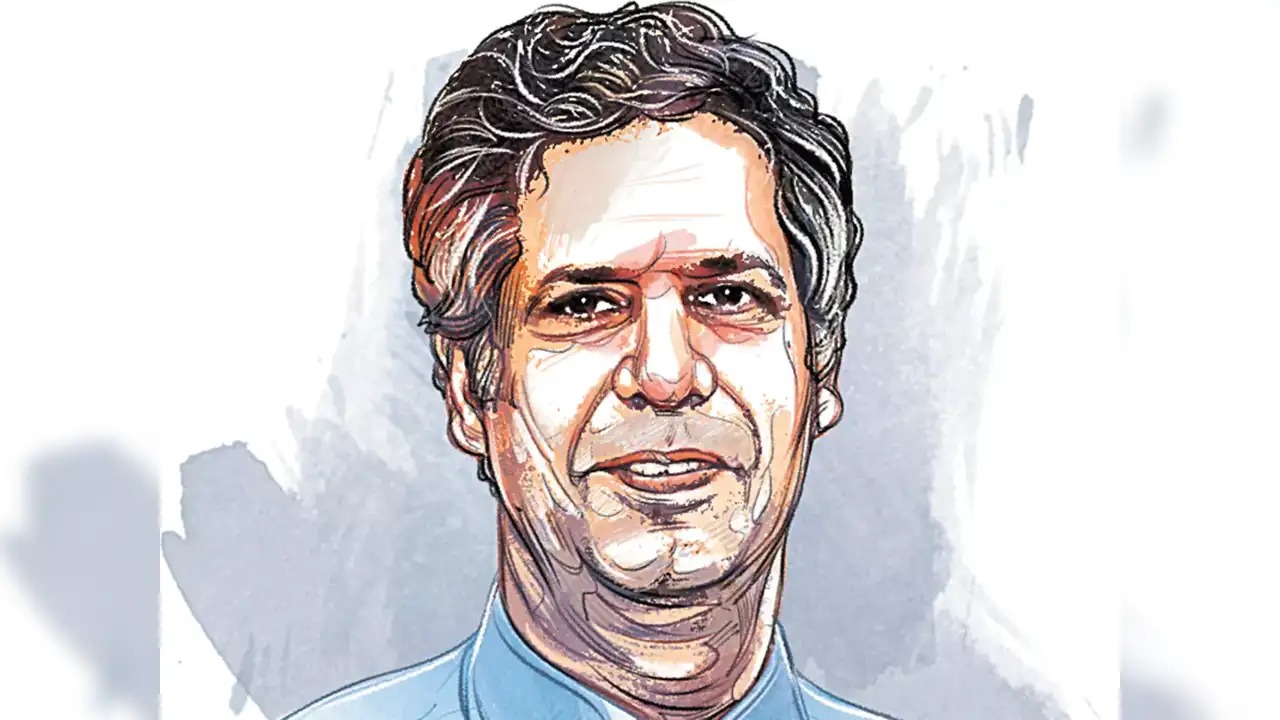

OpenAI's Chief Economist Dr. Ronnie Chatterji is spearheading research on how AI will shape economic growth and job creation, ensuring the benefits reach far and wide. As a respected professor and former White House staffer, Chatterji hopes to inform policymakers and businesses on how to navigate AI's potential for transformation. Chatterji is exploring sustainable AI infrastructure, which is key to achieving climate objectives while leveraging AI to increase productivity and innovation.
Key Areas of Emphasis
Economic Growth and Employment Generation:
Chatterji's work examines how AI can promote economic growth through augmented productivity and new employment opportunities, even while jobs in some sectors may get displaced.
Sustainable Infrastructure:
He stresses the necessity of power-saving AI systems, such as the design of green AI accelerator chips and integration of renewable energy, to reduce the environmental footprint of AI.
Policy Integration:
OpenAI has released an economic blueprint for AI growth, calling for strategic investment in AI infrastructure to preserve U.S. dominance in the technology. The blueprint seeks to drive innovation and distribute benefits of AI equitably.
Benefits to Society
Healthcare Breakthroughs:
AI is transforming healthcare through enhanced triage processes, better diagnosis of conditions, and better patient care.
Education and Personalized Learning:
AI technologies are assisting educators in developing individualized lesson plans, opening the gates of education to all and making it more effective.
Ecological Solutions:
AI is utilized to maximize energy usage and utilize renewable energy sources for sustainable growth.
By combining AI with numerous industries, OpenAI looks to make lives better by resolving intricate issues, increasing productivity, and fostering sustainable development.
Sources: OpenAI, Duke University, The New York Times, APAC News Network, TechCrunch