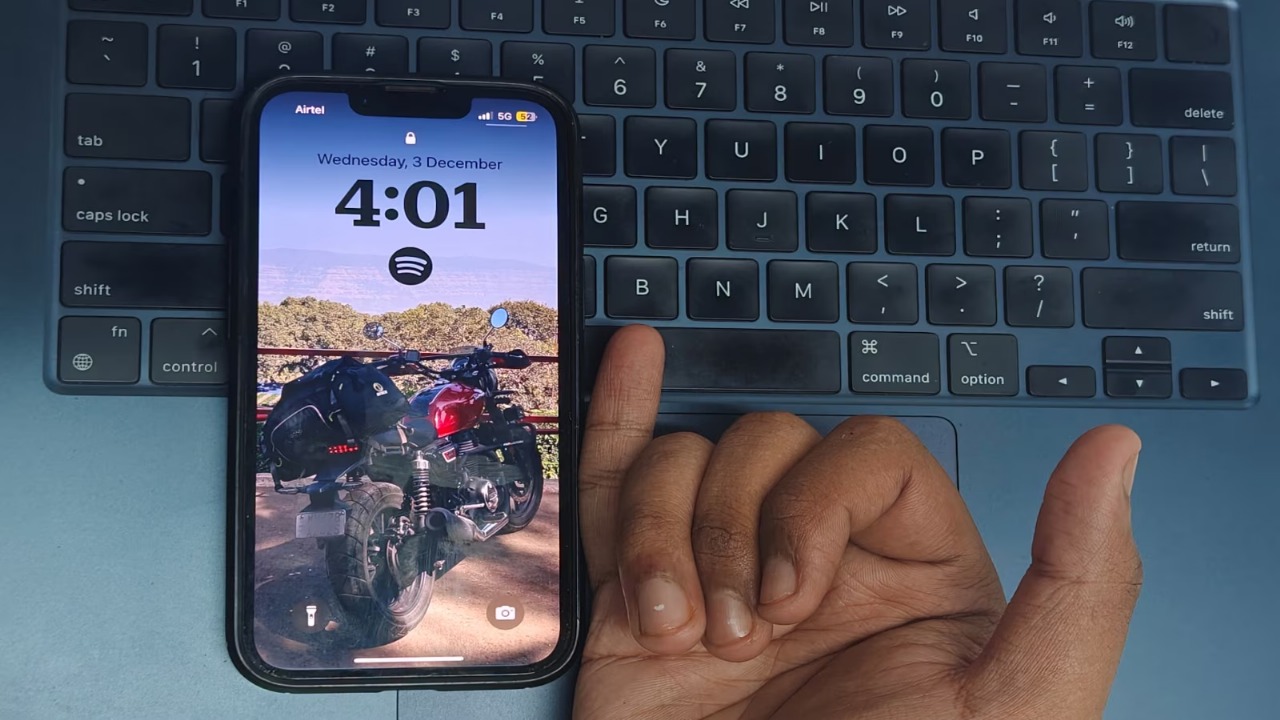








Smartphone users worldwide are reporting a curious side effect known as “smartphone pinky,” a dent or bend in the little finger caused by prolonged phone use. With devices growing heavier and larger, experts warn the issue may become more common, raising questions about long-term ergonomic impacts.
Smartphones have transformed communication, entertainment, and work, but their physical impact on our bodies is now drawing attention. A growing number of users globally have reported what is informally called “smartphone pinky,” a visible dent or bend in the little finger where the bottom edge of the phone rests during one-handed use. While not classified as a medical condition, the phenomenon highlights how technology is reshaping human anatomy in subtle ways.
Key highlights from the announcement include
-
Smartphone pinky refers to a dent or bend in the little finger caused by supporting phone weight.
-
The condition is most noticeable in the middle and upper bones of the pinky finger.
-
It is not medically recognized but is increasingly reported by frequent smartphone users.
-
Experts note that heavier and larger smartphones amplify the strain on fingers.
-
Hand specialists emphasize that while smartphone pinky is not dangerous, prolonged poor ergonomics can lead to discomfort or functional issues.
-
Occupational therapists suggest alternating grip styles, using both hands, or employing phone stands to reduce strain.
-
The issue reflects broader concerns about how modern devices influence posture, hand health, and musculoskeletal well-being.
The rise of smartphone pinky underscores the unintended consequences of technology adoption. Just as “text neck” and “computer vision syndrome” have become part of everyday vocabulary, smartphone-related hand strain may soon join the list of modern ergonomic challenges. While the dent itself may not pose serious medical risks, it serves as a reminder of the importance of mindful device usage and ergonomic awareness.
As smartphones continue to grow in size and weight, the pinky problem could become more widespread, prompting further research into its long-term effects. For now, experts advise users to be conscious of their grip and adopt healthier usage habits to minimize strain.
Sources: Indian Express, Health.com, Medical Bulletin of Haseki