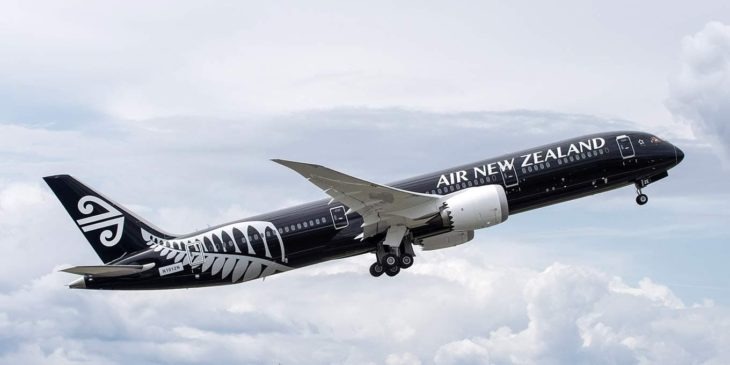

Most airlines paint their aircraft white to reduce heat absorption, improve fuel efficiency, and simplify maintenance. Air New Zealand, however, stands out with its striking black jets, introduced in 2007 to honor the national rugby team, the All Blacks, and to strengthen its cultural brand identity.
Practical Reasons For White Aircraft
White paint reflects sunlight, keeping aircraft cooler on the ground and reducing reliance on air conditioning systems. This saves fuel and lowers operating costs. Additionally, white surfaces make it easier to detect cracks, corrosion, or other structural damage, enhancing safety and simplifying maintenance.
Air New Zealand’s Black Jets
Air New Zealand broke convention by painting several of its aircraft black, making them the largest black-painted commercial planes in the world. The decision was symbolic, celebrating New Zealand’s cultural heritage and its iconic rugby team, the All Blacks. Despite the added weight and cost of darker paint, the airline embraced the bold design to differentiate itself globally.
Balancing Identity And Efficiency
While most airlines prioritize efficiency with white paint, Air New Zealand’s black jets demonstrate how cultural pride and branding can outweigh practical considerations. The move has strengthened its global identity and made its fleet instantly recognizable.
Key Highlights
-
Most airlines use white paint for efficiency and safety
-
White reflects sunlight, reduces fuel use, and aids maintenance
-
Air New Zealand introduced black jets in 2007
-
Black livery honors the All Blacks rugby team
-
Unique branding makes its fleet globally distinctive
Conclusion
Air New Zealand’s black jets highlight the balance between practicality and cultural identity in aviation. While white remains the industry standard for efficiency, the airline’s bold choice showcases how design can embody national pride and brand differentiation.
Sources: NDTV Travel Desk, Simple Flying, Odotonline