



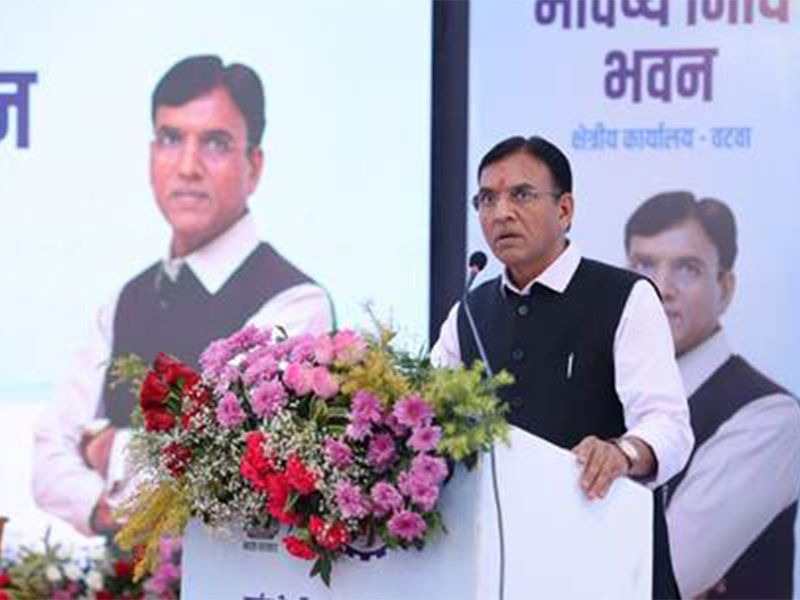


Union Health Minister JP Nadda inaugurated the new WHO South-East Asia Regional Office (SEARO) building in New Delhi, calling it a testament to collective commitment toward global health. The facility aims to strengthen collaboration, enhance preparedness, and support member nations in tackling health challenges across the region.
The World Health Organization’s South-East Asia Regional Office (SEARO) has entered a new chapter with the inauguration of its modern building in New Delhi. Union Health Minister JP Nadda emphasized that the new facility reflects the shared vision of global health solidarity, offering a platform to strengthen cooperation among member nations. The building is designed to support WHO’s mission of advancing health security, preparedness, and sustainable development across the region.
Key highlights from the announcement include
-
JP Nadda described the new SEARO building as a symbol of collective commitment to global health.
-
The facility will serve as a hub for collaboration among South-East Asian nations, addressing pressing health challenges.
-
The building is equipped with modern infrastructure to support research, policy development, and emergency response.
-
Nadda highlighted India’s role in global health leadership, particularly in vaccine production, disease control, and digital health initiatives.
-
WHO officials noted that the new office will enhance regional preparedness for pandemics and public health emergencies.
-
The inauguration ceremony was attended by senior health officials, diplomats, and representatives from WHO member states.
-
The SEARO region, comprising 11 countries, faces diverse health challenges including communicable diseases, maternal health, and climate-related risks.
-
The new facility is expected to foster stronger partnerships and accelerate progress toward universal health coverage.
The inauguration of the WHO SEARO building underscores India’s growing role in shaping global health policy. By hosting the regional office, India continues to demonstrate its commitment to supporting collective action, innovation, and resilience in healthcare. The new infrastructure is poised to strengthen regional cooperation and ensure better preparedness for future health crises.
Sources: The Hindu, Times of India, Hindustan Times, ANI News