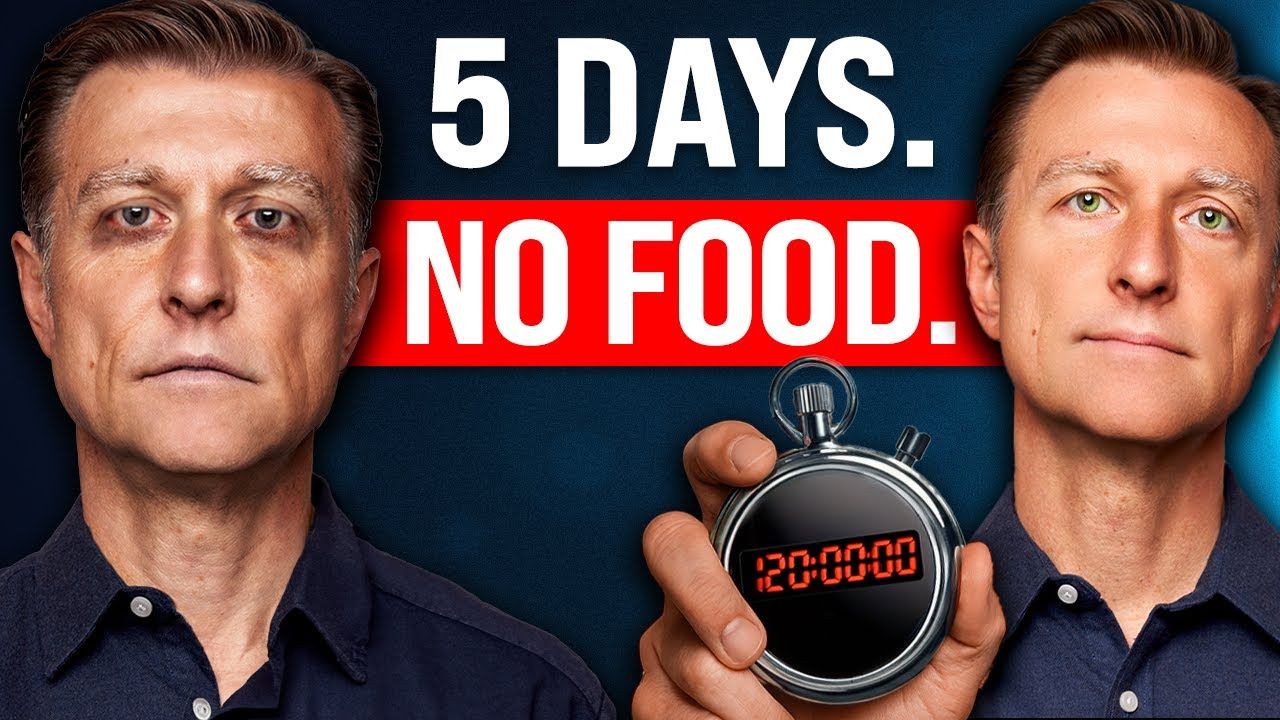
A viral social media experiment by content creator 'DCT EATS' documenting a five-day water fast has highlighted the risks of extreme dieting. Despite achieving a five-kilogram weight loss and entering fat-burning ketosis, medical experts warn that unsupervised starvation trials risk dangerous muscle wasting, severe headaches, and electrolyte imbalances.
NEW DELHI — A digital content creator has sparked intense online debate after publishing a comprehensive, self-documented timeline of a five-day extreme fasting experiment during which he consumed zero solid food. The social media influencer, known online as 'DCT EATS,' tracked his physical performance, cognitive shifts, and comprehensive biometric updates throughout the 120-hour period. While the individual recorded a total mass reduction of five kilograms, the experiment has drawn swift criticism from health professionals who warn that unsupervised starvation protocols pose severe metabolic risks.
The documentation, shared via an Instagram post, tracked daily physical adaptations—ranging from severe localized headaches to sudden fat-burning ketosis—and culminated in a post-fast blood panel analysis that revealed unexpected internal biological alterations.
Tracking the 120-Hour Timeline of Complete Food Deprivation
The experiment was structured as a strict water fast, with the individual completely eliminating caloric intake while maintaining hydration through water, electrolytes, and sleep. According to the creator's logged data, the physiological journey was divided into distinct phases of metabolic adjustment.
On the opening day of the challenge, the individual recorded a baseline weight of 82.5 kilograms and underwent a professional blood draw to establish an internal metric baseline. He also completed a light workout and noted unusually long sleep during the first 24 hours.
By the second day, the physical effects of complete starvation began to impact the creator's daily function. He noted the onset of severe headaches alongside acute lightheadedness. To manage these symptoms while pushing himself to walk and stay active, the creator relied strictly on targeted electrolyte supplementation and aggressive water consumption.
The Metabolic Switch and Environmental Challenges
By the third and fourth days of total food deprivation, the individual reported a counterintuitive physiological shift: physical hunger pangs completely vanished. Biochemically, this marks the initiation of the body burning fat directly for its primary energy needs instead of relying on external carbohydrates. During this phase, the creator managed to perform a workout and receive a massage, operating with a shifted energy state.
However, the documentation highlights that while physical hunger subsided, psychological cravings driven by environmental triggers presented the greatest obstacle. The creator stated that encountering the smells of delicious food at home and at his grandmother's house was "torture." To cope with the mental strain and avoid thinking about food constantly, he packed his schedule with active errands and mental distractions.
On the fifth day, the creator successfully concluded his water fast. He broke the extended period of starvation by consuming a light bowl of golden bone broth to gradually reintroduce nutrients to his digestive system.
Medical Community Issues High-Risk Warnings Over Complete Fasting
While the content creator celebrated a rapid five-kilogram weight loss, clinical experts widely warn against replicating viral internet starvation routines. Medical research emphasizes that rapid weight loss observed during the initial days of a complete fast consists primarily of water weight and stored glycogen depletion, rather than a significant reduction in subcutaneous fat tissue.
According to healthcare practitioners, entering an extended caloric deficit of zero percent without specialized medical supervision can trigger catastrophic electrolyte imbalances, drop blood pressure to dangerous levels, and cause heart strain. Furthermore, breaking an extended fast incorrectly introduces the risk of Refeeding Syndrome—a severe metabolic complication caused by rapid shifts in fluid and minerals when nutrients are suddenly reintroduced to a starved system.
Official Sources Section
The baseline physiological data, symptom tracking, and timeline details are sourced directly from the public verification logs published by digital creator DCT EATS on Instagram. The context surrounding public health impacts and metabolic risks is aligned with independent clinical guidelines provided by established global healthcare institutions.
Executive Quotes
"I stopped eating completely for five days and documented the entire experience. I weighed at 82.5 kilos, got a full blood test done this time. My weight after 5 days of 0 food, I was 5 kilos down, but that wasn't the surprise [hinting at the blood test changes]."
— DCT EATS, Digital Content Creator
"According to officials and clinical nutritionists, extended fasting experiments published on social media platforms should not be attempted without direct medical supervision. Dropping five kilograms in 120 hours is an unsustainable metric heavily tied to fluid shifts and glycogen loss, which can mask critical electrolyte deficiencies."
— Health Expert Advisory Panel Statement
Why It Matters
Viral internet challenges involving extreme caloric restriction create a highly distorted public perception of sustainable weight management and physical health. While structured lifestyle adjustments like short-term intermittent fasting can improve insulin sensitivity under proper guidance, unmonitored five-day starvation windows can damage metabolic pacing. Understanding the difference between safe caloric restriction and extreme biological starvation prevents individuals from inadvertently inducing severe organ stress or dangerous refeeding complications.
Key Facts at a Glance
Total Duration: 120 hours (5 full days) of zero solid food consumption tracked from the start of the experiment.
Total Mass Lost: A recorded drop of approximately 5 kilograms from a starting weight of 82.5 kilograms.
Peak Side Effects: Onset of severe headaches and lightheadedness on Day 2, which required electrolyte interventions.
Environmental Hurdles: The creator reported that dealing with food smells at home and his grandmother's house was the hardest mental struggle.
Systemic Changes: Physical hunger vanished by Days 3 and 4 as the creator's metabolism shifted to using fat stores for energy.
FAQ Section
Is it safe to stop eating entirely for five days like this creator did?
No. Extended water fasting for five days carries significant medical risks, including severe electrolyte imbalances, muscle wasting, kidney strain, and heart palpitations. It should never be attempted without professional medical supervision.
How did the man lose 5 kg so quickly?
The vast majority of weight lost during a brief, extreme fast is composed of water weight, metabolized liver and muscle glycogen, and intestinal bulk, rather than a significant reduction in actual body fat.
Why does physical hunger disappear after a few days without food?
Once the body exhausts its primary glucose stores, it transitions into a state of ketosis, converting body fat into ketones. Ketones serve as an alternative energy source for the brain and naturally help suppress acute appetite hormones.
What is the safest way to break an extended fast?
An extended fast must be broken very gradually with easily digestible, low-carb liquids like bone broth or diluted juices. Consuming a heavy meal immediately can overwhelm the digestive tract and trigger dangerous metabolic shifts.
Source: Hindustan Times Health Desk, Instagram User-Generated Content logs via @DCT_EATS.