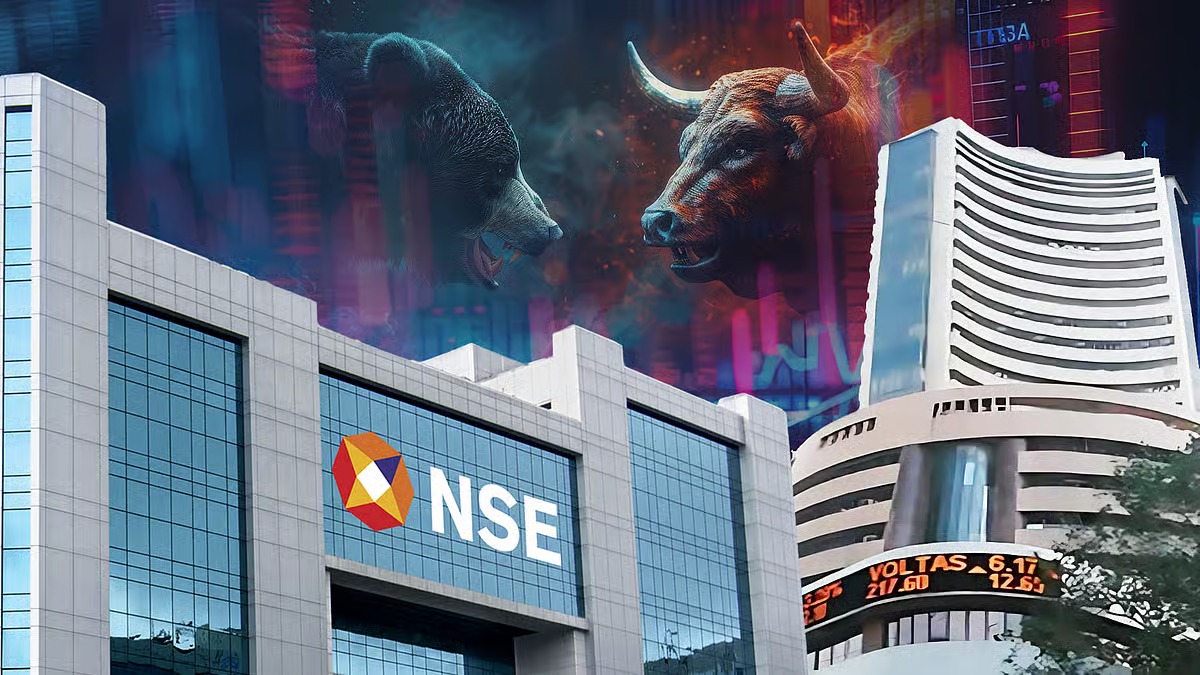
The Indian stock market witnessed a notable slowdown in new investor registrations during August 2025, with fresh additions declining by 18% month-on-month, according to the latest report from the National Stock Exchange (NSE). This contraction reflects broader uncertainties rooted in recent tari...
The Indian stock market witnessed a notable slowdown in new investor registrations during August 2025, with fresh additions declining by 18% month-on-month, according to the latest report from the National Stock Exchange (NSE). This contraction reflects broader uncertainties rooted in recent tariff shocks impacting export-oriented sectors and overall investor sentiment.
Market Context and Investor Trends
August proved to be a challenging month for Indian equity markets amid rising geopolitical tensions and economic pressures abroad. The imposition of additional U.S. tariffs on Indian goods significantly rattled investor confidence, particularly in sectors exposed to export dynamics. This environment has moderated retail participation growth, a key engine of India’s stock markets in recent years.
Key Highlights from the NSE Report
New Demat accounts, indicative of fresh investor additions, declined by 18% in August compared to July 2025.
The slowdown follows a period marked by volatility in the Nifty 50 index, which declined 1.38% over August, signaling cautious risk appetite.
Foreign Institutional Investors (FIIs) continued their selling streak, with net outflows exceeding Rs 15,950 crore in August, adding pressure on market liquidity.
Domestic Institutional Investors (DIIs) provided a partial offset by sustained buying, reflecting confidence in India’s long-term growth story.
Non-banking financial companies and export-oriented industries such as textiles, chemicals, and gems & jewellery bore the brunt of tariff-induced market correction.
Retail participation saw moderation partly due to ongoing macroeconomic uncertainties and regulatory changes in sectoral policies.
Impact of Tariff Shocks on Market Sentiment
The doubling of U.S. import tariffs on several Indian products to 50% has created ripple effects across key export sectors, including leather, footwear, textiles, chemicals, and seafood. This has dampened growth prospects for companies reliant on the U.S. market and reduced investor enthusiasm.
The tariff increase sparked concerns about reduced competitiveness in global markets and margin pressures.
Exporters have reported cancellation or postponement of orders, leading to revenue uncertainty and job losses in affected industries.
Market participants fear these structural challenges could persist, leading to constrained earnings growth in coming quarters.
Sectoral Investor Behavior
Technology and financial sectors witnessed relative resilience due to limited direct tariff impact.
Smallcap and midcap segments saw heightened volatility as risk aversion increased among new and existing investors.
Consumption-driven sectors experienced mixed outcomes with inflationary pressures influencing discretionary spending.
Looking Ahead: Market and Investor Outlook
Despite the August setback, domestic investor sentiment remains cautiously optimistic given India’s robust GDP growth, low inflation, and government reforms. Analysts expect fresh investor inflows to pick up once tariff uncertainties stabilize and earnings visibility improves.
The Indian market’s structural strength supported by a growing middle class and reforms underpins long-term investment thesis.
Upcoming monetary policy decisions and fiscal measures will be closely monitored to gauge market recovery potential.
Investment advisors urge new investors to focus on quality stocks and diversified portfolios to navigate ongoing volatility.
Summary
The NSE’s August report underscores an 18% month-on-month decline in new investor additions, largely attributed to tariff shocks affecting exports and consequent market volatility. While short-term hurdles remain, India’s domestic economic resilience and reform momentum continue to hold investor interest, setting the stage for a gradual revival in participation. Market stakeholders remain watchful of global trade developments and policy responses as critical determinants for future investor confidence and market trajectory.
Source: NSE Report, Economic Times, Share.Market, Moneycontrol, Business Line