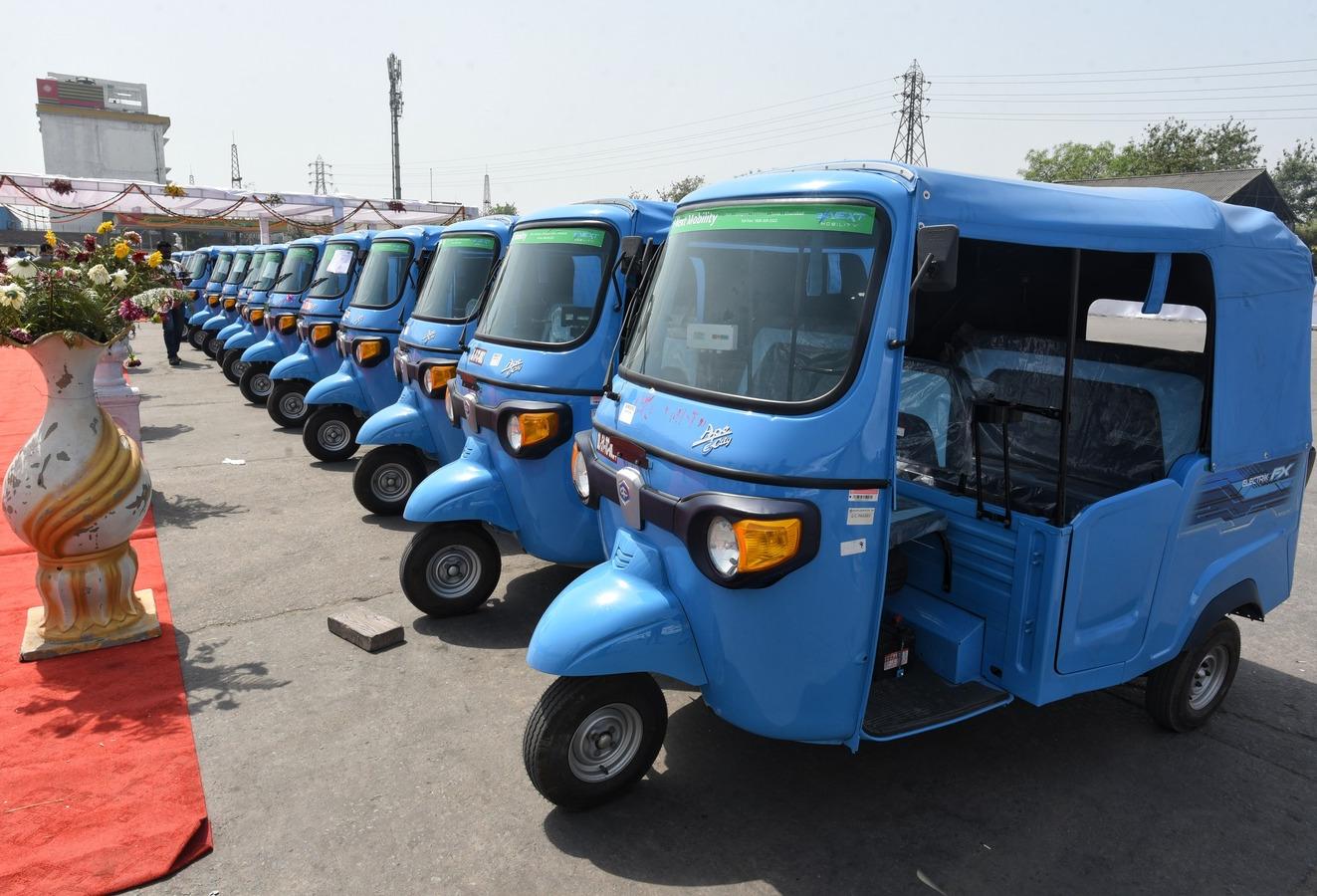
India’s e-rickshaw ecosystem may soon see a subtle yet meaningful pricing shift, with a proposed Rs 20 minimum fare. The move reflects growing efforts to balance commuter affordability with driver sustainability, as rising operational costs push the sector toward more structured and fair pricing practices nationwide.
India’s last-mile mobility network is on the cusp of a quiet transformation. The Federation of E-rickshaws has proposed a Rs 20 minimum fare, a move that could redefine how short-distance travel is priced across cities and towns while addressing economic pressures within the sector.
The Economics Behind The Change
E-rickshaws have long been the backbone of affordable urban transport, often charging minimal fares for short distances. However, increasing electricity tariffs, battery replacement costs, and routine maintenance expenses have steadily eroded driver earnings. The proposed minimum fare aims to restore financial balance without significantly burdening passengers.
Stability For A Fragmented Sector
One of the persistent challenges in the e-rickshaw industry has been inconsistent pricing, often leading to fare disputes and income unpredictability. Establishing a base fare introduces a degree of standardization, offering drivers more stable earnings while fostering greater transparency in passenger interactions.
Passenger Perspective And Value Proposition
For commuters, especially those relying on short trips, the fare adjustment may feel incremental. Yet, the broader value lies in improved service consistency, better-maintained vehicles, and potentially safer rides. The marginal increase could translate into a more dependable and organized last-mile experience.
The Road To Implementation
While the proposal marks a strong intent, its execution will depend on alignment with local transport authorities and state regulations. Adoption timelines may vary, but the move signals a growing recognition of the need for structured pricing in India’s expanding electric mobility landscape.
Key Highlights
- Minimum e-rickshaw fare proposed at Rs 20
- Aims to address rising operational and maintenance costs
- Expected to bring consistency and reduce fare disputes
- Marginal impact on commuters, with potential service improvements
- Implementation will depend on state-level approvals
As India accelerates toward cleaner and more inclusive mobility solutions, this measured fare revision underscores an important shift—one that prioritizes both economic sustainability and commuter trust in the evolving e-rickshaw ecosystem.
Sources: Federation of E-rickshaws statements, transport sector insights, urban mobility developments