Global health regulators are mandating advanced analytical methods, primarily gas chromatography, to eliminate toxic ethylene glycol (EG) and diethylene glycol (DEG) contaminants from liquid oral medicines. These strict updates enforce a $\le 0.1\%$ safety threshold, requiring manufacturers to validate both high-risk raw materials and finished products before consumer distribution.
Regulators Use Advanced Analytical Methods to Root Out EG, DEG
International regulatory frameworks shift toward mandatory gas chromatography to stop toxic chemical contamination in global medicine supply chains.
GENEVA — Global pharmaceutical regulators, led by the World Health Organization (WHO) and individual national drug authorities, are systematically transitioning to advanced analytical methods to eliminate ethylene glycol (EG) and diethylene glycol (DEG) from liquid oral medicines. The escalation in regulatory oversight follows historical contamination incidents linked to pediatric fatalities globally. By mandating advanced testing protocols, authorities aim to secure complex excipient supply chains before raw materials are transformed into consumer products.
Transition to High-Precision Gas Chromatography
In response to the persistent threat of toxic contamination in liquid medications, international pharmacopeias have updated their standards to phase out subjective or less sensitive testing methodologies. The United States Pharmacopeia (USP) and the Indian Pharmacopoeia Commission (IPC) have established new protocols prioritizing Gas Chromatography (GC) coupled with Flame Ionization Detection (GC-FID) and Gas Chromatography-Mass Spectrometry (GC-MS).
These advanced analytical methods allow national quality control laboratories to detect minute levels of glycols down to the strict threshold of less than or equal to 0.1% ($1000\text{ ppm}$), which is the universally accepted safety limit. Traditional screening options like Thin-Layer Chromatography (TLC), while lower in cost, are increasingly viewed by regulators as insufficient for finished product validation because they cannot easily separate EG from DEG or provide the precise quantitative data required for modern pharmaceutical compliance.
Global Mandates Shift Responsibility to Manufacturers
The rollout of these advanced technical demands has been formalized through critical updates across multiple nations over the past year:
The United States: The USP published accelerated revisions making the "Limit of Ethylene Glycol and Diethylene Glycol" test a fundamental part of the core identification protocols for high-risk raw materials.
Malaysia: The National Pharmaceutical Regulatory Agency (NPRA) enforced Directive No. 8, making it mandatory for local product registration holders and contract manufacturers to prove compliance utilizing verified GC methods.
India: The Indian Pharmacopoeia Commission enforced Amendment List 09, making testing for EG and DEG mandatory for all oral liquid formulations at the finished product stage before market release.
These coordinated shifts ensure that compliance is no longer evaluated solely through bulk raw material certificates of analysis. Instead, finished syrups must undergo targeted chemical validation before distribution to pharmacies and hospitals.
Technical Barriers and the Rise of Field-Deployable Assays
While gas chromatography remains the gold standard for high-volume corporate and state enforcement labs, its high cost, operational complexity, and reliance on highly trained personnel present infrastructural challenges in low- and middle-income countries (LMICs). To solve this operational bottleneck, recent studies published in early 2026 highlight the development of rapid, low-cost, and simple alternative testing methods.
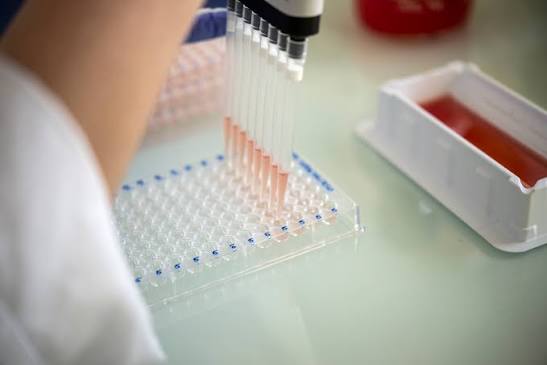
Researchers have validated enzyme-based assays that utilize alcohol dehydrogenase and aldehyde dehydrogenase. When paired with glycolate oxidase, these rapid assays cause a distinct visual color change (turning pink) in the presence of ethylene glycol. This enables field inspectors to identify adulterated or contaminated medical shipments at port entries and local distribution centers without requiring immediate access to a stationary mass spectrometer.
Official Sources Section
Regulatory declarations and methodological updates are documented via the official channels of the World Health Organization, the United States Pharmacopeia, and national gazette notifications from health ministries executing safety updates for global distribution security.
Quote Section
"The initiative comes in response to mandatory amendments that require testing for Ethylene Glycol and Diethylene Glycol in all oral liquid formulations," stated representatives from the Indian Pharmacopoeia Commission during a June 2026 state drug analyst training convention.
"According to officials, any concentration of ethylene glycol or diethylene glycol exceeding 0.1% in finished pharmaceutical applications presents an immediate and severe public safety issue."
Why It Matters
The adoption of advanced analytical methods directly safeguards public health by preventing highly toxic industrial solvents—often mistakenly or fraudulently substituted for non-toxic carriers like glycerin or propylene glycol—from reaching vulnerable patients. For global pharmaceutical companies, this translates to strict mandatory validation costs, heightened supply chain traceability, and the implementation of robust corrective and preventive action (CAPA) matrices to avoid catastrophic product recalls.
Key Facts at a Glance
The Target Contaminants: Ethylene glycol (EG) and diethylene glycol (DEG), toxic industrial chemicals used as antifreeze agents.
The Global Standard: Regulators mandate a strict maximum permissible contamination limit of $\le 0.1\%$ ($1000\text{ ppm}$).
Primary Methodology: Shift away from Thin-Layer Chromatography toward high-precision Gas Chromatography (GC-FID and GC-MS).
Supply Chain Impact: Testing must now occur at both the raw excipient stage and the finished oral liquid product stage before release.
FAQ Section
Why are EG and DEG found in medicines? They are sometimes introduced as contaminants or illegal, low-cost substitutes for safe pharmaceutical excipients like glycerin, propylene glycol, and sorbitol, which are used to dissolve active ingredients in cough syrups.
What makes gas chromatography better than older testing methods? Gas chromatography (GC) can separate closely related chemical compounds and accurately measure glycol concentrations down to $0.1\%$, whereas older methods like thin-layer chromatography lack the resolution to distinguish between EG and DEG efficiently at low limits.
How do these rules affect international consumers? Consumers gain a highly verified layer of safety, ensuring that over-the-counter pediatric medications and liquid supplements are chemically validated against lethal industrial toxins prior to purchase.
Source: World Health Organization (WHO), United States Pharmacopeia (USP), Indian Pharmacopoeia Commission (IPC)