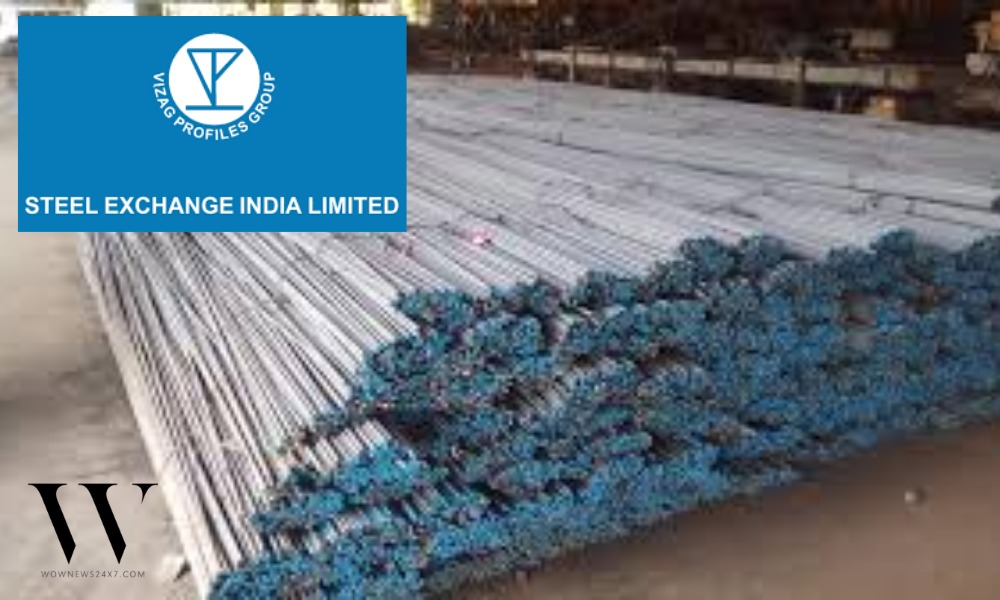
Steel Exchange India Limited announced a total re-bar production of 24,823.509 metric tonnes for August, supported by robust output across its Continuous Casting Machine and Reheating Furnace segments. The steady manufacturing performance highlights consistent plant utilization and reliable supply chain execution.
Steel Exchange India Limited recorded a total re-bar production of 24,823.509 metric tonnes across its rolling facilities during August.
Steel Exchange India Limited announced its production performance figures for August, registering an output of 24,823.509 metric tonnes (MT) of re-bars. According to regulatory filings submitted to stock exchanges, the operational milestone encompasses output derived from both its Continuous Casting Machine (CCM) segment, which contributed 17,358.221 MT, and its Reheating Furnace (RHF) operations, which accounted for 7,465.288 MT. The robust production metrics reflect steady plant utilization rates as the company seeks to address active domestic construction demand.
Operational Breakdown and Manufacturing Performance
The structural breakdown of the August output highlights optimized utilization across the company's primary manufacturing lines. The CCM division processed 17,358.221 MT, serving as the foundational feed for downstream processing, while the RHF unit successfully converted 7,465.288 MT into finished re-bars.
Company executives noted that consistent plant throughput allows the firm to maintain reliable inventory replenishment cycles for its distributor network. This operational cadence aligns with broader sector trends where secondary and primary steel manufacturers adjust plant schedules to navigate fluctuating raw material input costs and shifting regional demand curves across India's infrastructure corridors.
Market Context and Demand Implications
For the broader domestic steel sector, re-bar production volumes serve as a vital gauge of real-estate and infrastructure activity. Sustained output from regional producers like Steel Exchange India helps stabilize local supplies amidst broader macroeconomic shifts in manufacturing indices.
Market analysts observe that maintaining steady production volumes is crucial for mid-tier steelmakers aiming to protect margins against volatile coking coal and iron ore pricing. Favorable output delivery also strengthens customer commitments across retail and institutional construction segments.
Official Sources Section
Data pertaining to the monthly production volumes, plant segment metrics, and operational disclosures is sourced directly from corporate regulatory filings submitted by Steel Exchange India Limited to the National Stock Exchange of India. Additional industry context regarding long steel trends is referenced via market reports from Mysteel.
Quote Section
"According to official corporate filings and regulatory disclosures, the operational metrics reflect consistent plant execution and stable output levels across the company's rolling mill infrastructure."
Why It Matters
For contractors, developers, and retail builders, consistent re-bar availability ensures project continuity and predictable material pricing. For investors, steady production volumes demonstrate effective asset utilization, supporting operational revenue growth and strengthening the company's competitive position within India's fragmented long-products steel sector.
Key Facts at a Glance
Total Re-Bar Production: 24,823.509 metric tonnes in August.
CCM Segment Output: 17,358.221 metric tonnes.
RHF Segment Output: 7,465.288 metric tonnes.
Filing Authority: Officially disclosed via regulatory updates on stock exchanges.
Frequently Asked Questions
What was Steel Exchange India's total re-bar production in August?
The company registered a total re-bar production of 24,823.509 metric tonnes.
How is the total production divided across manufacturing segments?
The output comprised 17,358.221 metric tonnes from the Continuous Casting Machine (CCM) and 7,465.288 metric tonnes from the Reheating Furnace (RHF).
Where was this production data officially published?
The figures were disclosed through official regulatory filings submitted to Indian stock exchanges.
Why are monthly production figures important for the market?
They provide transparency on plant capacity utilization, inventory flow, and the company's ability to meet active construction and infrastructure demand.
Source: Steel Exchange India Limited Corporate Filings, National Stock Exchange of India, Mysteel