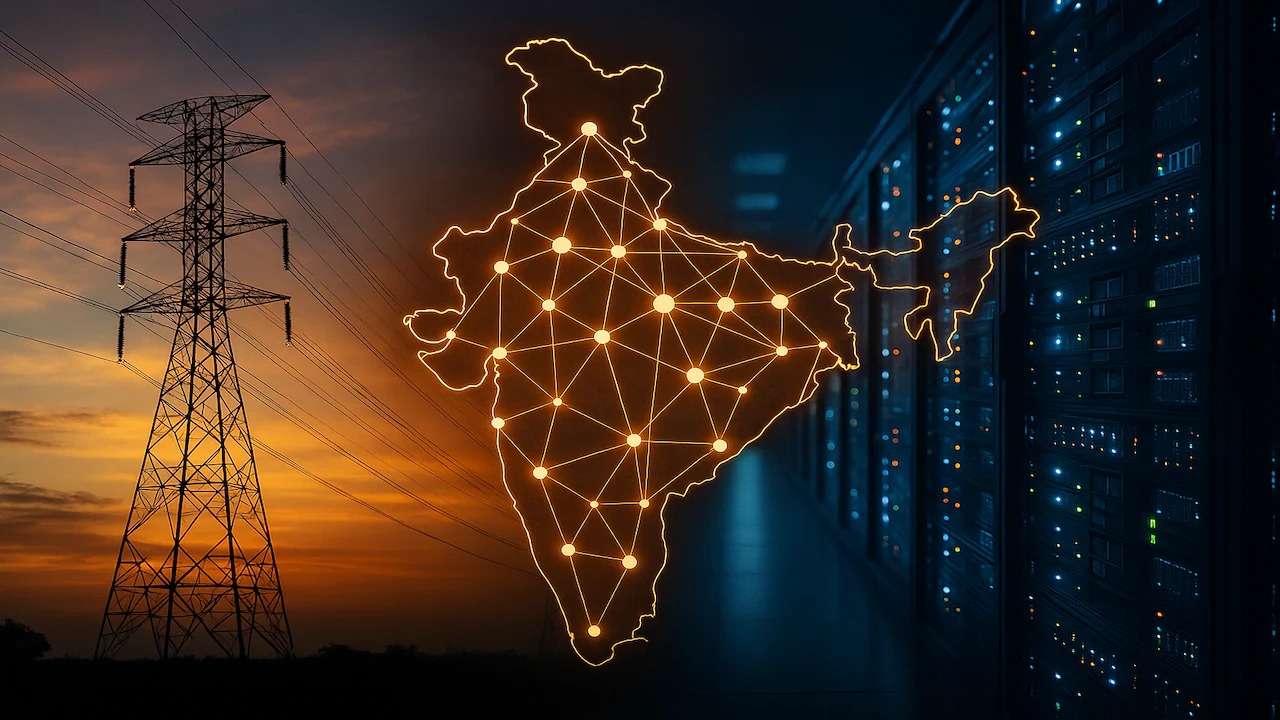
India’s aggressive courtship of global tech giants, including generous subsidies for data centres and AI infrastructure, is colliding with local concerns over water stress and inequitable resource use. As states vie to attract marquee investments from companies like Google, residents and experts are asking who really pays the price for India’s AI revolution.
AI Data Centres And The Water Question
Large AI data centres, which power cloud computing and model training, consume significant electricity and water — both directly for cooling and indirectly via power generation. When these facilities are set up in already water-stressed regions, even treated or industrial water allocations can trigger friction with local communities who face tanker dependence, shrinking groundwater and summer rationing. The perception gap widens when public incentives and tax breaks for tech companies contrast with limited investment in basic utilities for nearby residents.
Subsidies, Incentives And Public Priorities
The new digital and AI-industrial policies offer capital subsidies, cheap land, power concessions and fast-track clearances to attract hyperscale data centres and AI labs. Policymakers argue that such investments create high-value jobs, deepen India’s digital infrastructure and make the country a global AI hub. Critics, however, point out that many roles are specialised, the broader employment multiplier is modest compared with traditional industries, and the opportunity cost of public money is significant in a country still grappling with underfunded health, education and rural infrastructure.
Balancing Innovation With Inclusion
The dilemma is not about rejecting AI, but about sequencing and safeguards. States and the Union government face pressure to hard-wire water use caps, mandatory recycling, renewable energy commitments and local benefit-sharing into AI and data-centre policy frameworks. Civil society voices are calling for transparent impact assessments, public consultation and clear disclosure of subsidies and obligations before mega-project approvals. Without such guardrails, India risks fuelling an AI boom that is powerful on paper but brittle on the ground.
Key Highlights
- India offers sizeable subsidies and incentives to attract AI data centres and big-tech investments
- AI infrastructure, especially data centres, has high electricity and water footprints
- Tensions are rising where industrial water allocations sit alongside local scarcity and rationing
- Critics question public priorities when big incentives coincide with underfunded basic services
- Calls are growing for stricter environmental norms, transparency and community safeguards in AI projects
Sources: Recent commentary, policy discussions and news analysis on AI infrastructure, subsidies and water stress in India