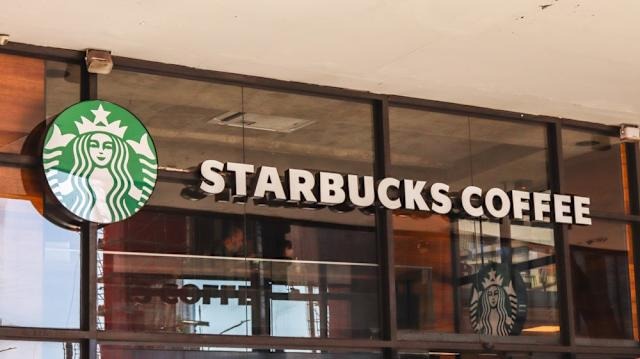
Tata Starbucks will accelerate its expansion in India by adding 50 to 100 stores annually, targeting a long-term potential of 8,000 units. The move follows an improved FY26 performance where revenues climbed to ₹1,367 crore and operations turned EBITDA positive, allowing the joint venture to fund growth through operating cash flows.
MUMBAI — Tata Starbucks Private Limited is preparing to significantly accelerate its footprint in India's rapidly growing beverage retail sector. Speaking at the company’s 63rd Annual General Meeting, Tata Consumer Products Limited (TCPL) Chairman N. Chandrasekaran announced a structural strategy to add between 50 and 100 new Starbucks stores annually.
This aggressive operational push, detailed on June 11, 2026, marks a pivotal moment for the premium coffee retailer. After 14 years of intensive capital investment and navigating highly fragmented domestic competition, the corporate partnership has successfully guided the coffee chain into steady operating profitability. The fresh retail rollout is strategically timed to capitalize on an accelerating out-of-home consumption boom among young, urban demographics.
Strategic Shift to Margin Optimization and Store Sizing
The multi-year expansion program represents an ambitious long-term goal for the joint venture, which is a 50:50 corporate alignment between Tata Consumer Products Limited and the US-based Starbucks Corporation. Long-term analysis conducted by both multinational partners indicates that the domestic market possesses the structural capacity to support as many as 8,000 Starbucks outlets over time. This represents a significant scaling up from the chain's previous milestone target of reaching 1,000 stores by 2028.
To support this rapid expansion without diluting returns, Tata Starbucks is diversifying its brick-and-mortar storefront formats:
Metropolitan Express Stations: Smaller, high-efficiency footprints located within transit hubs, corporate tech parks, and airport terminals to serve high-volume digital takeout lines.
Tier-II and Tier-III Flagships: Full-service neighborhood experiential cafés designed as the "Third Place" to capture rising disposable income pools outside traditional metropolitan zones.
Highway Drive-Thrus: Specialized, highway-frontage destination stores aimed at capturing travelers along regional economic transit corridors.
Turnaround to Operating Profitability and Fiscal Metrics
The decision to quicken store openings follows an improving financial performance across the group's retail books. According to statutory audited statements published in TCPL's latest annual report, Tata Starbucks recorded a 7% year-on-year rise in consolidated operational revenue to reach ₹1,367 crore for the fiscal year ended March 31, 2026.
Crucially, the brand reversed past trends to become both EBITDA and EBIT positive at the operating level during the FY26 cycle. Driven by calibrated store launches, positive same-store sales growth, and rigorous cost optimization, net losses successfully narrowed to ₹98.95 crore, down from a net loss of ₹135.70 crore in the preceding fiscal period. The business currently manages 502 active stores across 80 cities, having added a net total of 23 premium units over the last twelve months.
Official Sources Section
The underlying store counts, expansion timelines, dividend plans, and financial tracking metrics referenced in this premium news briefing originate from official corporate disclosure documents filed with BSE Limited and the National Stock Exchange of India Limited (NSE). Supplementary data was sourced from the 63rd Annual General Meeting transcripts published by Tata Consumer Products Limited.
Quote Section
"According to officials managing the brand’s local portfolio, entering the next operational phase requires a strict balance between physical footprint growth and bottom-line stability. Organizers stated that future investments will focus heavily on product innovation, expanding localized core menus, and leveraging the Tata Group's deep real estate relationships to secure high-traffic locations under optimized rental terms."
Why It Matters
For Indian consumers and modern commuters, the addition of up to 100 new stores a year means easier access to premium cafés, structured remote-working spaces, and reliable standard beverage options across growing cities. For the wider hospitality industry and institutional retail investors, the chain's shift into positive operating territory proves the viability of specialized coffee retail in India, intensifying the fight for market share among global entrants and homegrown boutique brands.
Key Facts at a Glance
Expansion Velocity: Tata Starbucks plans to add between 50 and 100 new stores annually across India.
Long-Term Scaling: Corporate partners estimate the Indian market can eventually support up to 8,000 stores.
Financial Milestone: The premium coffee business turned both EBITDA and EBIT positive in FY26.
Revenue Influx: Annual operations generated ₹1,367 crore, while net losses narrowed by over 27%.
Current Distribution: The brand operates 502 outlets across 80 distinct cities.
FAQ Section
Why is Tata Starbucks shifting its focus toward opening up to 100 stores a year now?
The decision follows a successful operational turnaround that saw the business turn EBITDA and EBIT positive in FY26. With healthier margins and narrowing losses, the partners are leveraging steady operating cash flows to fund faster retail expansion.
Will this retail expansion dilute the brand's premium positioning in India?
No. Management plans to preserve brand equity by deploying a calibrated multi-format strategy. This approach uses smaller express formats for busy transit points while reserving large, experiential flagship locations for new tier-II and tier-III urban centers.
Who are the main competitors facing Starbucks in the domestic market?
Tata Starbucks competes directly in the premium café segment against international brands like Costa Coffee and Tim Hortons, alongside fast-expanding homegrown specialty networks including Blue Tokai and Third Wave Coffee.
Source: Tata Consumer Products Limited Corporate Archives, National Stock Exchange of India (NSE) Listing Portals, and the Press Relations Bureau of Starbucks Corporation.