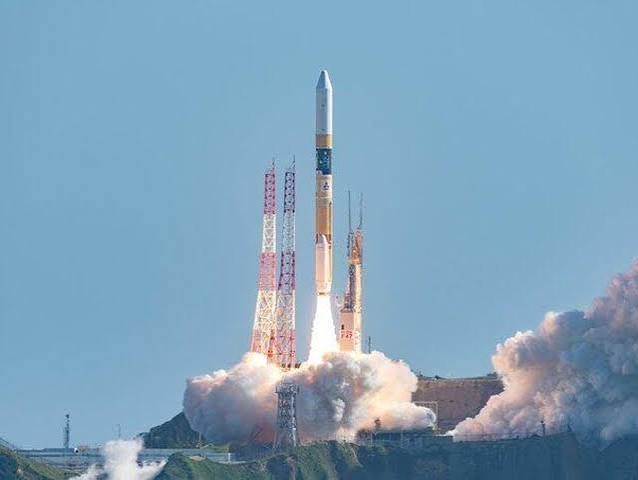
India's second spaceport in Kulasekarapattinam, Tamil Nadu, is nearing completion to support commercial Small Satellite Launch Vehicles. Offering a direct southern trajectory over the Indian Ocean, the facility enhances payload efficiency, reduces fuel consumption, and expands operational access for private aerospace firms.
NEW DELHI — India’s upcoming second spaceport, situated in the coastal hamlet of Kulasekarapattinam within the Thoothukudi district of Tamil Nadu, is nearing its final construction phases. Designed to serve as a dedicated hub for Small Satellite Launch Vehicles (SSLVs), the facility represents a pivotal shift toward commercializing the nation's aerospace sector and accommodating private space enterprises.
The strategic establishment complements the existing Satish Dhawan Space Centre (SDSC) in Sriharikota, Andhra Pradesh, which has operated as India's primary launch site since 1971. According to official updates from the Indian Space Research Organisation (ISRO) and national policy bodies, the new launch complex is engineered to streamline on-demand commercial launches while easing operational congestion at the main Sriharikota range.
Strategic Geography and Operational Advantages
The selection of Kulasekarapattinam provides distinct geographical and technical benefits for launching payloads into polar orbits. Unlike launches from Sriharikota—which require a complex "dogleg" flight path to skirt around Sri Lanka's airspace when heading south—rockets launched from the Tamil Nadu site can fly directly south over the Indian Ocean.
According to technical briefs released by space authorities:
Fuel Efficiency: The direct southern trajectory eliminates the need for trajectory-adjusting maneuvers, conserving fuel and increasing payload capacities for small satellite carriers.
Commercial Throughput: The facility is designed to support up to 24 launches per year utilizing a mobile launch structure (MLS) and integrated checkout computers.
Private Sector Integration: Built with an estimated outlay of nearly ₹986 crore, the spaceport is structured to accommodate private aerospace companies and non-governmental entities (NGEs) looking to deploy commercial constellations.
Official Sources Section
Quote Section
According to statements issued by space agency administrators regarding the facility's commercial scope:
"The establishment of this dedicated launch complex provides critical infrastructure for small satellite deployment, empowering private aerospace enterprises and ensuring optimized launch trajectories for future commercial missions."
Why It Matters
For commercial satellite operators, private aerospace startups, and global investors, the operationalization of India's second spaceport expands launch capacity and reduces turnaround times. By opening up dedicated infrastructure for commercial payloads, the facility strengthens India's position in the competitive global small-sat launch market.
Key Facts at a Glance
Location: Kulasekarapattinam, Thoothukudi District, Tamil Nadu.
Primary Purpose: Dedicated launch complex for Small Satellite Launch Vehicles (SSLVs).
Geographic Benefit: Direct southern trajectory over the Indian Ocean, bypassing landmass restrictions.
Capacity: Designed to support frequent commercial launch operations.
FAQ Section
Where is India's second spaceport located?
The new spaceport is located in Kulasekarapattinam, a coastal village in the Thoothukudi district of Tamil Nadu.
What type of rockets will use the Kulasekarapattinam facility?
The spaceport is designed primarily for Small Satellite Launch Vehicles (SSLVs) to serve commercial and private sector payloads.
Why was this specific location chosen?
Its geographic position allows rockets to fly directly south over the Indian Ocean without crossing landmasses, saving fuel and eliminating the need for complex eastward detours.
How will private firms utilize the spaceport?
Under national space reform policies, private companies and non-governmental entities can leverage the infrastructure to conduct commercial satellite launches.
Source: ISRO, IN-SPACe