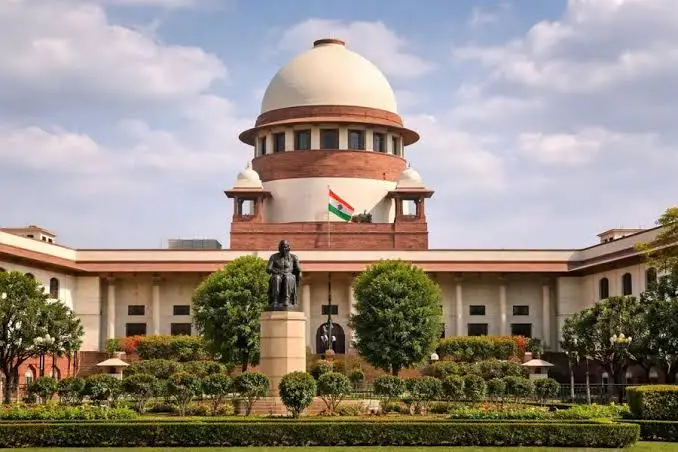
The Delhi Cabinet has approved the draft Private Universities Bill, introducing a mandatory 25% local quota for Delhi students across all private university courses. The legislation features structured fee transparency, merit-cum-means scholarships, and strict regulatory oversight to govern higher education expansion in the capital.
NEW DELHI — In a major policy shift aimed at expanding higher education access, the Delhi Cabinet, chaired by Chief Minister Rekha Gupta, officially approved the draft Delhi Private Universities Bill. Cleared during a special cabinet meeting, the legislative proposal establishes a comprehensive statutory framework enabling the setup and operation of private universities across the national capital for the first time.
Under the provisions of the newly approved draft Bill, all private universities operating within the capital will be required to reserve 25% of seats in every course for local students hailing from Delhi. Admissions against these reserved slots will adhere strictly to the existing quota policies mandated by the Delhi government, ensuring regional candidates directly benefit from the expansion of institutional infrastructure.
Scholarships and Fee Regulations
To balance institutional autonomy with student welfare, the draft framework introduces structured financial relief and rigorous oversight measures. According to official disclosures, the policy incorporates merit-cum-means scholarships targeting the 25% local student demographic:
Full Exemptions: Five percent of the local cohort will receive a complete waiver on tuition fees.
Partial Concessions: Ten percent of local students will secure a 50% fee waiver, while the remaining designated percentage will obtain a 25% concession.
Fee Stability: Universities must disclose the fee structure for the entire course duration at the time of admission, preventing mid-course tuition hikes.
Institutions will follow a strict unitary model, meaning they must operate exclusively through their own main campuses and are legally barred from affiliating external colleges. Furthermore, faculty appointments and academic structures must comply fully with standards set by the University Grants Commission (UGC) and other apex regulatory bodies.
Official Sources Section
Quote Section
According to official statements released by Chief Minister Rekha Gupta:
"The Bill places the protection of students' interests at the highest priority. Twenty-five percent of seats in every programme will be reserved for Delhi students in accordance with the applicable reservation policy."
Why It Matters
The legislative push provides a streamlined, regulated pathway for self-financing institutions to transition into full-fledged private universities. For students and parents, the local reservation quota guarantees expanded regional access to professional and academic courses, while strict fee transparency guards against exploitative commercial practices in the private education sector.
Key Facts at a Glance
Local Quota: 25% of seats across all courses reserved for students from Delhi.
Scholarship Structure: Tiered fee waivers (5% full, 10% half, and 10% quarter concessions) based on merit-cum-means.
Institutional Model: Unitary structure prohibiting the affiliation of external colleges.
Next Steps: The draft Bill is slated to be tabled during the ongoing Monsoon Session of the Delhi Assembly for formal enactment.
FAQ Section
What is the local quota percentage introduced in the Delhi Private Universities Bill?
The draft Bill mandates a 25% reservation of seats for local students from Delhi across all courses offered by private universities.
Will private universities be allowed to affiliate other colleges in Delhi?
No. Private universities under this framework must operate exclusively through their own campuses under a unitary model and cannot provide affiliation to external colleges.
Are there any fee concessions included for local students?
Yes. The framework mandates merit-cum-means scholarships, offering full fee waivers to 5% of local students, 50% waivers to 10%, and a 25% concession to the remainder.
When will the Bill become law?
Having cleared the Delhi Cabinet, the draft legislation must be formally introduced and passed during the Delhi Assembly session before receiving final assent.
Source: Delhi Government Cabinet Secretariat, University Grants Commission, The Times of India