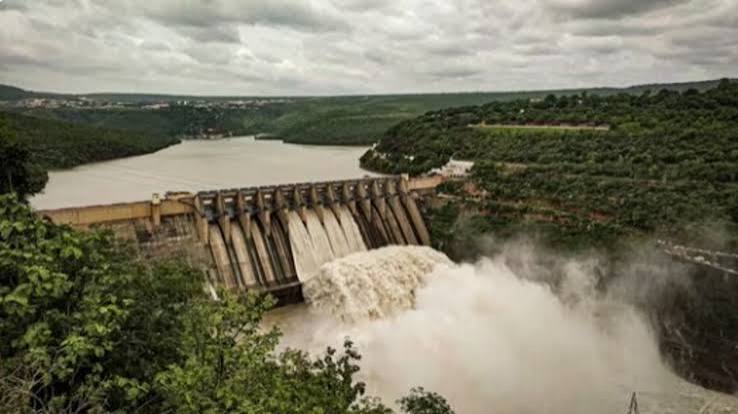
During the 36th WMCC meeting, India strongly urged China to resume critical hydrological data-sharing and address downstream ecological concerns regarding upstream dam projects on the Brahmaputra River. New Delhi emphasized that protecting lower riparian rights and ensuring transparency remain vital for regional stability.
NEW DELHI — Raising core concerns over trans-border water security, India pressed China to share essential hydrological data and ensure transparency regarding upstream infrastructure projects during the 36th meeting of the Working Mechanism for Consultation and Coordination on India-China Border Affairs (WMCC).
The high-level diplomatic engagement, held in New Delhi, reviewed outstanding border management issues along the Line of Actual Control (LAC) while placing sharp focus on the massive hydropower developments planned on the Yarlung Tsangpo, known downstream as the mighty Brahmaputra River. As a lower riparian state, Indian delegates emphasized the critical need for institutional cooperation to safeguard regional environments and local populations.
Addressing Upstream Mega-Dam Concerns
The discussions come in the wake of China’s advanced preparations for a massive hydroelectric project on the lower reaches of the Yarlung Tsangpo in Tibet. With Beijing’s multi-billion-dollar project expected to alter natural river flows, Indian authorities have consistently voiced anxieties regarding potential dry-season water scarcity and sudden downstream flooding risks across northeastern states like Arunachal Pradesh and Assam.
During the WMCC session, the Indian delegation reiterated demands for the early convening of the next meeting under the bilateral Expert Level Mechanism (ELM) on trans-border rivers. According to policy briefings and diplomatic disclosures:
Data Resumption: India stressed the immediate necessity of restoring continuous hydrological data-sharing protocols, which remain critical for flood forecasting and disaster management.
Downstream Rights: Officials underscored that established user rights of lower riparian states must be legally and practically respected under international frameworks.
Bilateral Channels: Both nations agreed to continue leveraging diplomatic and military frameworks, including local commander-level talks, to maintain tranquility while managing broader resource challenges.
Official Sources Section
Quote Section
According to official readouts released following the bilateral diplomatic consultations:
"As a lower riparian state with established user rights to the waters of trans-border rivers, India routinely conveys its views and concerns to the Chinese authorities, and has urged them to ensure that the interests of downstream states are not harmed by activities in upstream areas."
Why It Matters
For millions of citizens residing in India's northeastern river basins, the unhindered flow of the Brahmaputra is vital for agriculture, drinking water supply, and ecological stability. Securing transparent data-sharing agreements and cooperative oversight via bilateral mechanisms ensures that upstream infrastructure projects do not introduce catastrophic flood hazards or severe dry-season deficits downstream.
Key Facts at a Glance
Platform: 36th meeting of the Working Mechanism for Consultation and Coordination (WMCC) on India-China Border Affairs.
Core Issue: China's upstream mega-dam project on the Yarlung Tsangpo (Brahmaputra).
Key Demand: Immediate resumption of hydrological data sharing and convening of the Expert Level Mechanism (ELM).
Geographic Impact: Northeast India, particularly downstream sectors in Arunachal Pradesh and Assam.
FAQ Section
Why is India concerned about China's dam project on the Yarlung Tsangpo?
The Yarlung Tsangpo feeds into the Brahmaputra River, which supports millions of residents in northeastern India. Unregulated water diversion or sudden reservoir releases could trigger severe droughts or flash floods downstream.
What is the Expert Level Mechanism (ELM)?
Established in 2006, the ELM is an institutionalized bilateral channel between India and China specifically designed to address trans-border river cooperation and data exchanges.
What role does the WMCC play in these discussions?
The Working Mechanism for Consultation and Coordination primarily manages border affairs and troop stability along the LAC, but also serves as a platform to coordinate cross-border cooperation and communication.
Has China been sharing hydrological data regularly?
India has repeatedly flagged lapses in data provisions, pushing for structured mechanisms to ensure consistent hydrological updates are maintained.
Source: Ministry of External Affairs, The Times of India, The Week