Amazon's Zoox has received landmark US regulatory approval to commercially deploy up to 2,500 steering-wheel-free robotaxis annually, marking the first federal exemption for a custom-built autonomous vehicle lacking traditional human controls and clearing the path for paid driverless passenger services.
In a regulatory milestone for autonomous transit, federal authorities grant Amazon’s Zoox permission to commercially deploy vehicles lacking manual human controls.
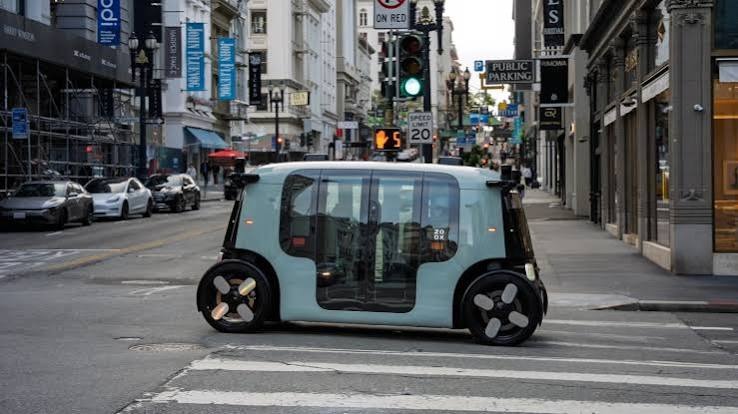
WASHINGTON — In a landmark decision for the autonomous vehicle sector, the United States government has granted Amazon.com Inc.’s self-driving unit, Zoox, regulatory approval to commercially deploy purpose-built robotaxis that completely lack steering wheels, brake pedals, and other conventional human driving controls.
Announced by the National Highway Traffic Safety Administration (NHTSA), the exemption marks the first time federal authorities have greenlit a vehicle designed from the ground up for fully autonomous ride-hailing without manual override options. The clearance allows Zoox to charge passengers for rides in its distinctive electric, carriage-style vehicles, setting a new operational benchmark as autonomous fleet operators race to scale commercial services across major US cities.
Federal Exemption and Deployment Parameters
Under the terms of the federal exemption, Zoox is authorized to commercially deploy up to 2,500 purpose-built robotaxis annually over the next two years. Unlike competing autonomous services that rely on heavily modified versions of conventional passenger cars equipped with aftermarket sensors, the Zoox vehicle is designed exclusively for passenger transport, featuring two rows of inward-facing seats and a bi-directional capability.
NHTSA Administrator Jonathan Morrison noted that the agency subjected the hardware and software systems to rigorous safety evaluations. While federal regulators concluded that Zoox's internal redundancies meet or exceed equivalent safety performance standards, the approval comes with strict stipulations. Zoox must submit enhanced operational reports detailing any unexpected road stops or collision incidents, and all remote supervisors overseeing the vehicles must operate from within the United States.
Expanding Commercial Footprint and Industry Impact
The regulatory approval arrives as major tech and automotive players—including Alphabet’s Waymo and Tesla—accelerate commercial deployments. Zoox currently tests its autonomous pods in select zones across Las Vegas and San Francisco. With the newly secured commercial exemption, the company plans to transition from free testing phases to paid public transport services, pending final municipal and state clearances in Nevada, California, and planned expansion markets such as Austin, Miami, and Seattle.
For the broader transportation and tech industries, the ruling signals a shift in federal regulatory frameworks to accommodate autonomous innovations written long before driverless technology matured. Analysts suggest that establishing a formal exemption pathway will encourage further domestic investment in dedicated autonomous mobility fleets.
Official Sources Section
National Highway Traffic Safety Administration (NHTSA): Federal regulatory exemption orders, administrative safety guidelines, and oversight stipulations.
Zoox Corporate Communications: Official product disclosures, vehicle specifications, and operational launch updates.
Amazon.com Inc.: Subsidiary governance filings and commercial development disclosures.
Quote Section
"According to official regulatory announcements from the National Highway Traffic Safety Administration, Zoox has been granted the first commercial exemption for a purpose-built robotaxi without manual controls, subject to rigorous ongoing safety oversight and performance reporting."
Why It Matters
For urban commuters, transit authorities, and investors, the introduction of certified steering-wheel-free robotaxis marks a critical transition from experimental testing to mainstream commercial integration. The development validates the commercial viability of purpose-built autonomous transit models, promising altered urban mobility patterns and new micro-transit options across participating metropolitan centers.
Key Facts at a Glance
Regulatory Milestone: Zoox secured the first-ever NHTSA commercial exemption for a production vehicle lacking a steering wheel or pedals.
Deployment Cap: The approval permits the operation of up to 2,500 autonomous vehicles annually over a two-year window.
Vehicle Design: The custom electric vehicle features a carriage-style layout with inward-facing passenger seating and no manual driver interface.
Safety Oversight: Federal regulators retain the authority to rescind the exemption if safety thresholds or mandatory incident-reporting compliances are breached.
FAQ Section
What makes the approval of Zoox's robotaxi historically significant?
It is the first time US federal regulators have cleared a vehicle built entirely without human driving controls like steering wheels and pedals for commercial passenger service.
How many vehicles is Zoox authorized to deploy?
The NHTSA exemption permits the commercial deployment of up to 2,500 purpose-built robotaxis each year for the next two years.
Can Zoox begin charging passengers immediately everywhere?
While federal clearance is secured, Zoox must still obtain final operational and commercial approvals from state and local authorities in each operating region.
What safety conditions are tied to the federal exemption?
Zoox is required to provide enhanced incident reports on vehicle behavior, log all unexpected road stops, and ensure that remote supervisors operate within the US.
Source: National Highway Traffic Safety Administration, Zoox Official Portal, Amazon Corporate Newsroom