The State Tourism Department’s new food festival revives royal culinary legacy of Hyderabad's Nizams by recreating authentic, slow-cooked Deccani court recipes using historical manuscripts. Running through July 5, 2026, the event preserves disappearing cooking traditions, attracts cultural tourism, and provides vital economic support to traditional local artisans and spice merchants.
HYDERABAD — A unique culinary event celebrating the historic flavors of the Asaf Jahi dynasty has officially commenced in Hyderabad this week. The festival, organized by the State Tourism Department in collaboration with veteran culinary historians, aims to restore and preserve the authentic, centuries-old recipes of the Nizams of Hyderabad. Running from June 26 to July 5, 2026, the exhibition provides a rare public window into the complex, slow-cooked royal dishes that defined Deccan court culture, emphasizing traditional techniques that have largely disappeared from modern commercial kitchens.
Restoring a Centuries-Old Gastronomic Heritage
The food festival revives royal culinary legacy of Hyderabad's Nizams by gathering master chefs who specialize in the ancestral techniques of the royal kitchens, known historically as the Bawarchi Khana. Unlike contemporary variations of Hyderabadi cuisine, the festival focuses heavily on the distinct Persian, Turkish, and Mughal influences that blended with local Deccani spices during the Nizam’s rule from the early 18th century until 1948.
According to a statement released by the Telangana Tourism Development Corporation (TSTDC), the event is part of a broader cultural preservation initiative. Culinary researchers spent over eight months translating archival Urdu manuscripts and interviewing descendants of royal chefs to ensure that spice ratios, wood-firing methods, and marination timelines accurately mirror historical records.
Authentic Techniques and Rare Delicacies Featured
The main attraction of the week-long event centers on dishes that are rarely prepared today due to their labor-intensive preparation methods. Tourism officials confirmed that the menu features signature items including:
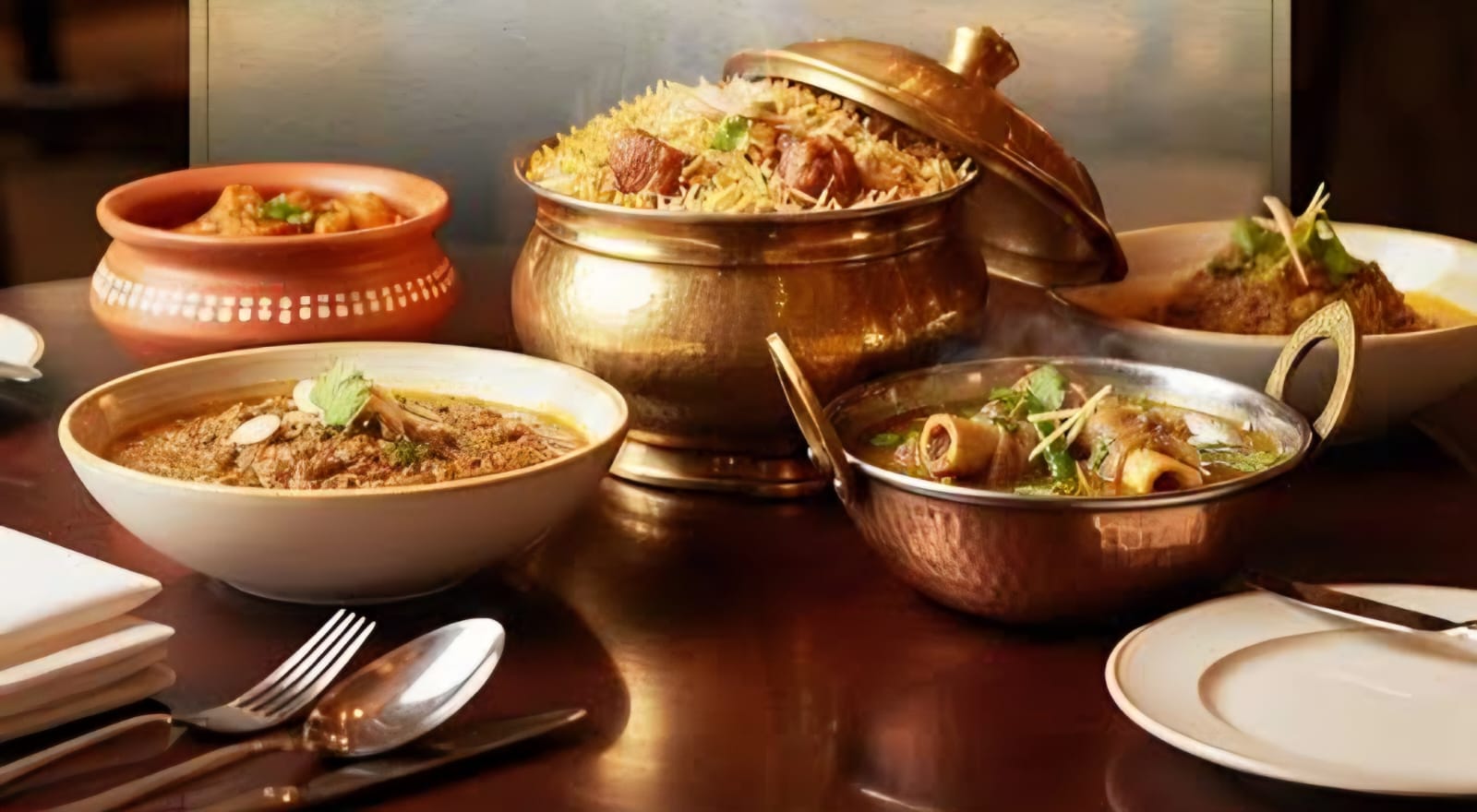
Barkas Patthar ka Gosht: Mutton slow-cooked on heated granite stones, a technique introduced by Arab diaspora guards in the Nizam's military.
Kachche Gosht ki Biryani: The quintessential royal dish where raw, spiced meat is layered with parboiled rice and cooked entirely on dum (sealed steam cooking) over charcoal.
Shahi Tukda and Jouzi Halwa: Elite desserts requiring hours of milk reduction, infused with saffron, nutmeg, and edible silver foil (warq).
Festival curators emphasized that modern commercial cooking shortcuts, such as the use of pressure cookers or artificial tenderizers, have been strictly banned from the festival kitchens to preserve the historic texture and flavor profiles.
Economic and Tourism Impact on the Region
The food festival revives royal culinary legacy of Hyderabad's Nizams while simultaneously boosting local heritage tourism. Hospitality analysts report that the event has driven a 15% increase in weekend hotel bookings in Hyderabad’s historic district, attracting domestic culinary travelers, international tourists, and cultural investors.
Local spice merchants and artisanal utensil makers—particularly those crafting traditional copper deghs (cooking pots)—have been integrated into the festival marketplace. This integration provides a direct economic stimulus to traditional old-city craftsmen whose livelihoods depend on the continuation of heritage culinary arts.
Official Statements
"Our objective is not merely commercial; it is educational. The food festival revives royal culinary legacy of Hyderabad's Nizams in a way that respects historical accuracy, ensuring future generations of chefs understand the foundational roots of Deccani gastronomy."
— Director of the State Tourism Department
"Many of these recipes were closely guarded family secrets passed down through generations of royal cooks. Bringing them to the public sphere ensures this intangible cultural heritage does not fade into obscurity."
— Lead Historian, Deccan Heritage Trust
Why It Matters
Food is a living archive of a region's history. By strictly adhering to documented historical preparation methods, this festival prevents the homogenization of Hyderabadi cuisine into generic commercial variants. For culinary tourists and historians, it offers a verifiable taste of past centuries, while providing local artisans and suppliers with a vital platform to sustain their traditional trades.
Key Facts at a Glance
Duration: A 10-day cultural event running from June 26 to July 5, 2026.
Scope: Features over 40 authentic royal dishes meticulously recreated from 18th and 19th-century court archives.
Methodology: Utilizes traditional wood-fire and charcoal dum cooking, completely excluding modern gas and pressure appliances.
Economic Impact: Boosts local hospitality sectors and directly supports old-city copper craftsmen and spice guilds.
Frequently Asked Questions
Q: What makes Nizam cuisine different from standard Hyderabadi food?
A: Standard commercial Hyderabadi food often relies on heavier spice profiles and modern cooking speed shortcuts. Authentic Nizam cuisine emphasizes slow-cooking (dum), mild yet aromatic blending of rare spices like stone flower (kalpasi), and heavy Persian and Arabic influences.
Q: Are the recipes used in the festival accessible to the public?
A: As part of the heritage initiative, the Tourism Department is publishing a limited-edition culinary archive book during the festival, documenting selected recipes for preservation.
Q: Is the festival open to international travelers?
A: Yes, the event is hosted at a central heritage venue in Hyderabad with ticketing and guided culinary tours available for both domestic and international visitors.
Source: Telangana Tourism Development Corporation Official Portal, Deccan Heritage Trust Archival Releases