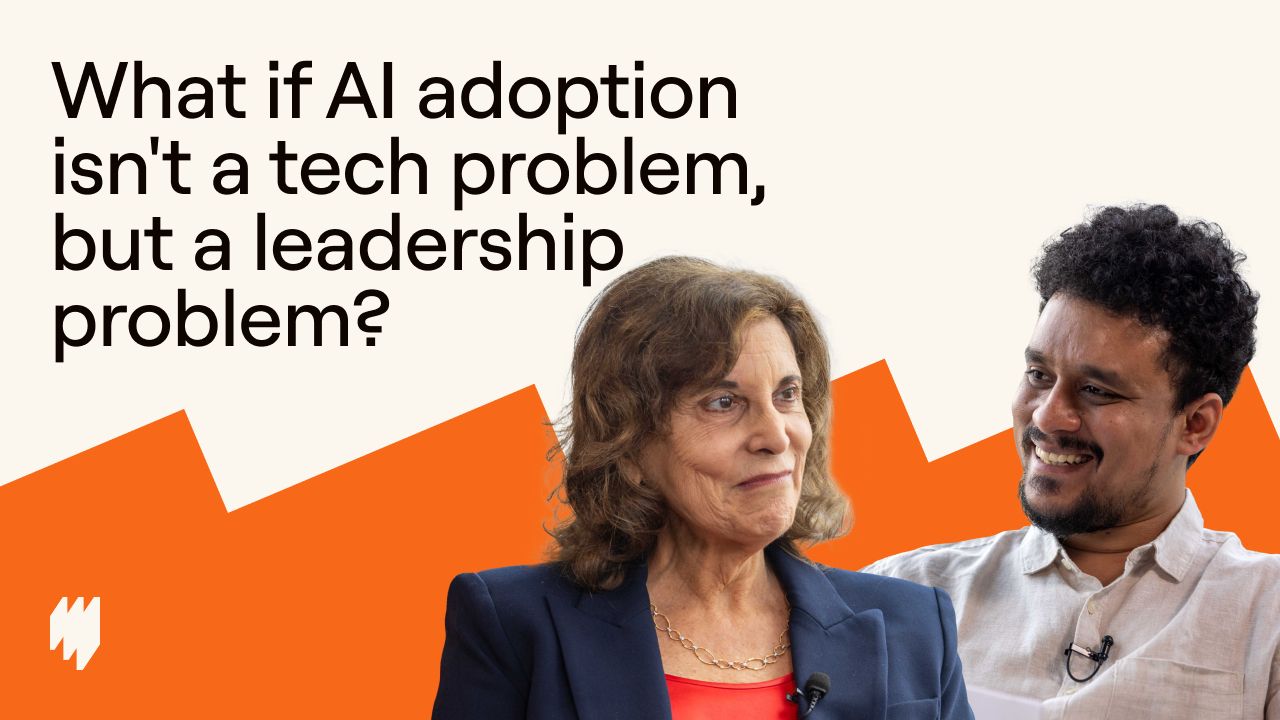




Experts argue that AI failures are less about algorithms and more about leadership accountability. As organizations scale AI in 2026, the biggest risks lie in governance, clarity, and measurable value. Boards, regulators, and customers demand discipline, making AI adoption a leadership mandate rather than a technical experiment.
Recent analyses from Entrepreneur, Forbes, and thought leaders like James A. Lang highlight that AI’s future hinges on leadership, not technology. While models and infrastructure are advancing rapidly, organizations often stumble due to poor governance, lack of accountability, and unclear value delivery.
The era of AI pilots and hype is ending. Leaders are now expected to govern systems they don’t fully control, explain outcomes they don’t fully understand, and ensure measurable business impact. This shift makes AI a structural leadership challenge, requiring clarity, discipline, and ethical oversight.
Industry voices stress that technology rarely fails on its own—leadership bottlenecks are the true obstacle. Without strong direction, AI risks becoming fragmented, misaligned with business goals, and vulnerable to regulatory scrutiny.
Major Takeaways
-
AI failures stem from leadership gaps, not technical flaws
-
Boards and regulators demand clarity, accountability, and measurable value
-
Era of pilots and hype is ending; discipline is now essential
-
Leaders must govern systems they cannot fully control or explain
-
Technology advances rapidly, but leadership bottlenecks stall adoption
-
AI is now a structural leadership mandate, not just a tech project
Conclusion
AI’s success in 2026 depends on visionary leadership that aligns technology with strategy, ethics, and accountability. As businesses move beyond experimentation, leaders must step up to ensure AI delivers sustainable value, transforming it from a technical curiosity into a core driver of organizational growth and trust.
Sources: Entrepreneur, Forbes, James A. Lang (AI in 2026 Will Expose Leadership — Not Technology)