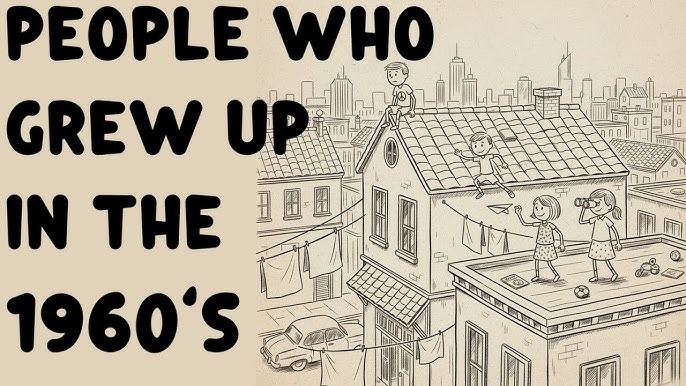








Psychologists suggest that individuals raised during the 1960s and 1970s developed unique traits shaped by social upheaval, cultural revolutions, and economic transitions. These formative experiences influenced values, resilience, and adaptability, making this generation distinct in how they approach careers, relationships, and personal growth.
The 1960s and 1970s were decades of profound change, marked by civil rights movements, counterculture, and shifting economic landscapes. Psychology research indicates that adults raised during this era carry forward distinctive traits shaped by these transformative times.
Exposure to social activism and cultural revolutions fostered values of independence, self-expression, and resilience. Economic transitions, including oil shocks and inflation, taught adaptability and resourcefulness. Many individuals from this generation developed a strong sense of community while also valuing personal freedom.
Psychologists note that these traits influence how this generation approaches modern challenges. Whether in career growth, family dynamics, or personal interests, their formative years instilled a balance between tradition and innovation. This makes them uniquely positioned to navigate today’s fast-changing world with perspective and adaptability.
Key Highlights
-
1960s and 1970s shaped values of independence and resilience
-
Social activism fostered self-expression and community focus
-
Economic transitions taught adaptability and resourcefulness
-
Generation balances tradition with innovation in modern life
-
Psychology links formative experiences to long-term behavior patterns
Sources: American Psychological Association, Psychology Today, The Guardian