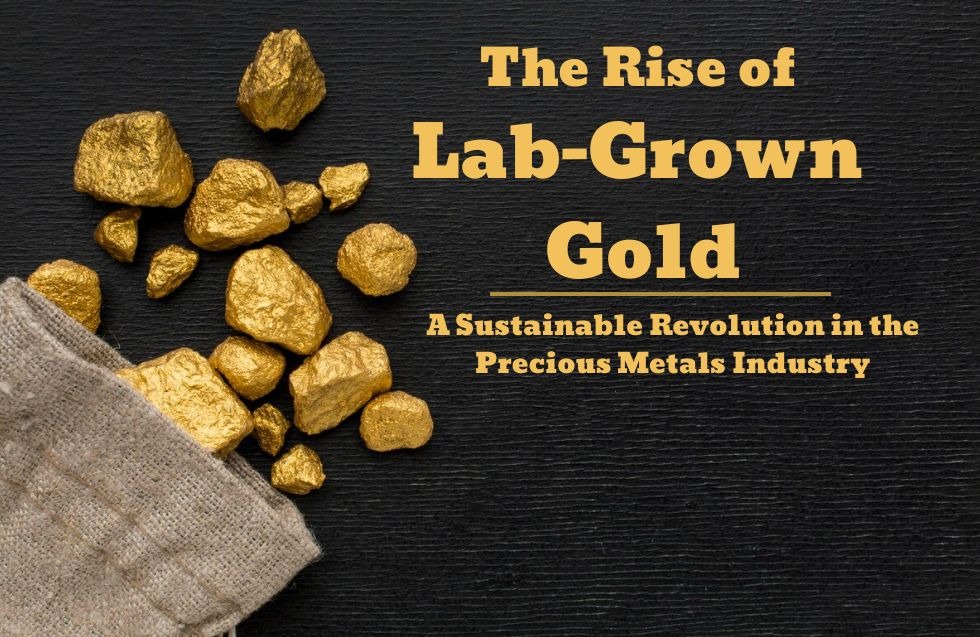







Lab-grown gold is a scientific breakthrough that replicates the atomic structure of natural gold using advanced chemical and physical processes. Created in controlled environments, it offers a sustainable alternative to traditional mining, reducing environmental damage while meeting growing demand for ethical and affordable luxury.
Gold has long symbolized wealth and prestige, but traditional mining often comes at a high environmental and social cost. Lab-grown gold, also known as synthetic or engineered gold, is emerging as a sustainable alternative that could transform the jewelry and technology industries.
How It Is Made
Scientists use advanced techniques such as vapor deposition, chemical reduction, and nanotechnology to replicate the atomic structure of natural gold. By combining specific chemical reactions under controlled conditions, they produce gold that is chemically identical to mined gold. This process eliminates the need for destructive mining practices and reduces carbon emissions.
Why It Matters
Lab-grown gold addresses critical issues of sustainability and ethics. It reduces reliance on mining, which often leads to deforestation, water pollution, and labor exploitation. For consumers, it offers affordable luxury without compromising quality. For industries, it ensures a steady supply of gold for electronics, medical devices, and renewable energy technologies.
Key Highlights
-
Lab-grown gold replicates natural gold’s atomic structure
-
Produced using chemical and nanotechnology processes
-
Sustainable alternative to traditional mining practices
-
Reduces environmental damage and carbon footprint
-
Supports ethical sourcing and affordable luxury markets
-
Applications in jewelry, electronics, and medical devices
Sources: Scientific American, Nature, The Guardian